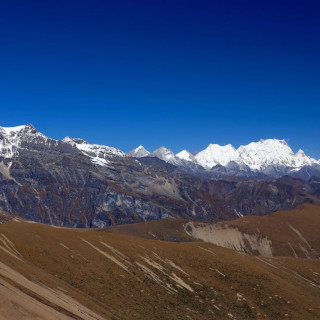
At Travel Across Bhutan, we specialize in crafting unforgettable journeys that blend cultural immersion, spiritual discovery, and close encounters with Bhutan’s pristine wilderness.
One of the most rewarding ways to experience the Land of the Thunder Dragon is through camping — sleeping under star-filled skies amid towering Himalayas, ancient forests, and sacred valleys.
While camping in Bhutan is possible and deeply rewarding, it is strictly regulated to protect the environment, support local communities, and uphold the country’s high-value, low-impact tourism model.
In this comprehensive guide, we answer your key questions and share practical insights drawn from our years of guiding travelers safely through Bhutan’s landscapes.
Can Tourists Camp in Bhutan?
Yes, but with important conditions. Independent or “wild” camping is not permitted for international tourists. All camping must be organized through a licensed Bhutanese tour operator like Travel Across Bhutan.
This requirement ensures full compliance with permits, professional guides/cooks/support staff, proper waste management, and your safety and comfort in remote areas.
Our team handles everything so you can focus on the magic of the mountains.
Key Rules and Regulations for Camping in Bhutan
- Licensed Operator Mandatory: All international tourists must book through an authorized operator.
- Sustainable Development Fee (SDF): USD 100 per person per night (valid through August 2027), with discounts for children.
- Permits & Guides: Required for national parks and protected areas; a certified Bhutanese guide accompanies you at all times.
- Environmental Standards: Strict “Leave No Trace” principles. All waste is packed out.
- Best Time: Spring (March–May) for rhododendrons or autumn (September–November) for clear views. Avoid monsoon season.
Popular Camping Locations in Bhutan
Bhutan offers diverse camping experiences, from easy one-night camps to challenging multi-week treks. Here are some of our most requested destinations:
1. Bumdrak (Paro Valley)
One of the most popular and accessible camping experiences in Bhutan, the overnight Bumdrak trek is a perfect introduction to Himalayan camping.
Starting near the world-famous Tiger’s Nest Monastery, the trail climbs through pine forests and prayer-flag-covered ridges to a dramatic campsite at approximately 3,860m beside the ancient Bumdrak Monastery.
Highlights: Spectacular sunrise and panoramic views over the entire Paro Valley, a powerful spiritual atmosphere around the monastery and nearby meditation caves, and frequent sightings of colorful Himalayan monals. Many of our guests say waking up here ranks among the most magical moments of their entire Bhutan trip.
Conditions & Best Time: Moderate difficulty with some steep sections. Altitude around 3,860–3,900m. Usually 1 night / 2 days (including drive and hike). Best time is March to May (spring rhododendrons) and September to November (clear skies and stable weather). Suitable for beginners and those combining culture with light adventure.
Perfect for:
- ✓ First-time campers
- ✓ Couples seeking a romantic overnight experience
- ✓ Photographers chasing sunrise and mountain panoramas
- ✓ Spiritual travelers visiting Tiger’s Nest
- ✓ Travelers with limited time looking for a rewarding adventure
2. Phobjikha Valley (Gangtey)
Nestled in the heart of the Black Mountains of central Bhutan, Phobjikha is a vast glacial valley known for its sweeping open meadows, wetlands, and peaceful atmosphere. Camping here lets you wake up surrounded by nature at its most serene.
Highlights: World-renowned black-necked cranes that migrate here every winter, the beautiful Gangtey Monastery overlooking the valley, outstanding birdwatching, rhododendron forests in bloom, and gentle walks through traditional villages and potato fields. It provides an excellent mix of nature, culture, and tranquility.
Conditions & Best Time: Lower to mid-altitude (2,900–3,000m), making it comfortable and accessible for most ages and fitness levels. Easy to moderate terrain with options for luxury glamping or standard camping. Best visited October to March for crane sightings, or March–May for spring flowers. Ideal for families and relaxed nature-focused trips.
Perfect for:
- ✓ Families
- ✓ Birdwatchers (especially during black-necked crane season)
- ✓ Nature lovers
- ✓ Wildlife photographers
- ✓ Travelers looking for a peaceful camping experience
3. Druk Path Trek (Paro to Thimphu)
A classic moderate multi-day trek connecting Paro and Thimphu through alpine lakes and rhododendron forests. You’ll camp beside alpine lakes and in high meadows filled with wildflowers.
Highlights: Scenic campsites beside jewel-like lakes such as Jimilangtsho (famous for rainbow trout), carpets of wildflowers and rhododendrons in season, dramatic mountain views, and a wonderful variety of forests, yak pastures, and high meadows. It strikes a great balance between adventure and scenery.
Conditions & Best Time: 4–6 days, altitudes ranging from 2,400m to over 4,200m. Moderate difficulty with several passes. Best seasons are March to May (rhododendron blooms) and September to November (clear skies and comfortable temperatures). Excellent first multi-day trekking and camping experience.
Perfect for:
- ✓ First multi-day trekkers
- ✓ Couples who enjoy hiking
- ✓ Landscape photographers
- ✓ Adventure travelers
- ✓ Hikers wanting to combine Paro and Thimphu
4. Jomolhari Trek / Jangothang Base Camp (Paro)
Often hailed as one of the most beautiful treks in the Himalayas, this journey takes you deep into dramatic mountain scenery toward the base of sacred Mount Jomolhari (7,326m), Bhutan’s second-highest peak.
Highlights: The world-class campsite at Jangothang (4,040m) offers jaw-dropping, close-up views of Jomolhari and Jichu Drake peaks rising dramatically above your tent — widely regarded as one of the finest campsites in the entire Himalayan range. Glacial rivers, high pastures, and rich biodiversity complete the experience.
Conditions & Best Time: 5–9 days depending on the itinerary. Moderate to strenuous with higher altitudes. Highest camp around 4,040m+. Best time is March–May and September–November. Highly recommended for travelers seeking impressive mountain scenery.
Perfect for:
- ✓ Experienced trekkers
- ✓ Mountain lovers
- ✓ Landscape photographers
- ✓ Serious hikers
- ✓ Travelers seeking iconic Himalayan scenery
5. Punakha Valley & Riverside Camps
Situated at a lower elevation in the warmer subtropical region, Punakha offers some of the most comfortable and scenic riverside camping in Bhutan along the Mo Chhu and Pho Chhu rivers.
Highlights: Lush river views framed by terraced fields and forests, proximity to the majestic Punakha Dzong (one of Bhutan’s most beautiful fortresses), opportunities for riverside relaxation, short cultural walks, and optional river rafting. The milder climate makes it especially pleasant.
Conditions & Best Time: Easy to moderate, low altitude (1,200–2,000m). Warm nights and gentler terrain. Ideal year-round but best from October to May. Perfect for families, couples, or first-time campers who prefer milder weather.
Perfect for:
- ✓ Families with children
- ✓ Couples
- ✓ Luxury travelers interested in glamping
- ✓ Travelers looking for a relaxed outdoor experience
- ✓ Visitors combining camping with cultural sightseeing
6. Laya-Gasa Trek & Jigme Dorji National Park
For adventurers craving true wilderness, this route through Bhutan’s largest protected area — Jigme Dorji National Park — leads to remote highland villages.
Highlights: Soothing natural hot springs in Gasa, encounters with semi-nomadic yak herders, excellent chances to spot the rare takin (Bhutan’s national animal), high mountain passes, and untouched alpine landscapes. It delivers an authentic taste of Bhutan’s remote culture and nature.
Conditions & Best Time: Strenuous, multi-day (7–14+ days). High altitudes and remote terrain. Best time September to November (post-monsoon clear weather) and late spring. Suited for experienced trekkers seeking challenge and solitude.
Perfect for:
- ✓ Experienced trekkers
- ✓ Wildlife enthusiasts
- ✓ Adventure seekers
- ✓ Photographers
- ✓ Travelers wanting to explore remote Himalayan communities
7. Bumthang Cultural Trek
Known as the spiritual heartland and “Switzerland of the East,” Bumthang features rolling hills, sacred temples, and dense forests — offering a deeply cultural camping experience.
Highlights: Forested campsites near ancient monasteries and dzongs, opportunities to attend local festivals (such as the famous Jakar Tshechu), beautiful valleys, and a strong connection to Bhutanese traditions, arts, and daily life.
Conditions & Best Time: Moderate difficulty with varied altitudes. Shorter customizable options available. Best seasons March–May and September–November. Excellent for travelers who want to combine hiking with rich cultural immersion.
Perfect for:
- ✓ Culture lovers
- ✓ History enthusiasts
- ✓ Couples
- ✓ Moderate hikers
- ✓ Travelers seeking a balance of nature and heritage
| Location | Difficulty | Duration | Best Season | Altitude Range | Ideal For |
|---|---|---|---|---|---|
| Bumdrak (Paro) | Moderate | 1 night / 2 days | Mar–May, Sep–Nov | 3,860m | Beginners, culture + views |
| Phobjikha Valley (Gangtey) | Easy–Moderate | 2–4 nights | Oct–Mar (cranes), Mar–May | 2,900–3,000m | Families, birdwatching |
| Druk Path Trek | Moderate | 4–6 days | Mar–May, Sep–Nov | 2,400–4,200m | First multi-day trek |
| Jomolhari Trek (Jangothang) | Moderate–Strenuous | 5–9 days | Mar–May, Sep–Nov | Up to 4,040m+ | Scenic mountain lovers |
| Punakha Riverside Camps | Easy–Moderate | 1–3 nights | Oct–May | 1,200–2,000m | Families, relaxed trips |
| Laya-Gasa Trek | Strenuous | 7–14+ days | Sep–Nov, late spring | High (up to 5,000m+) | Experienced adventurers |
| Bumthang Cultural Trek | Moderate | 3–7 days | Mar–May, Sep–Nov | Varied | Culture & nature blend |
Other Notable Camping Spots in Bhutan
- Dagala Thousand Lakes Trek — high alpine lakes and meadows.
- Haa Valley & Chele La Pass — rhododendrons and dramatic passes.
- Snowman Trek — the ultimate 24–30+ day challenge through Lunana, crossing multiple 5,000m+ passes (for very experienced trekkers).
Practical Tips for a Successful Camping Trip
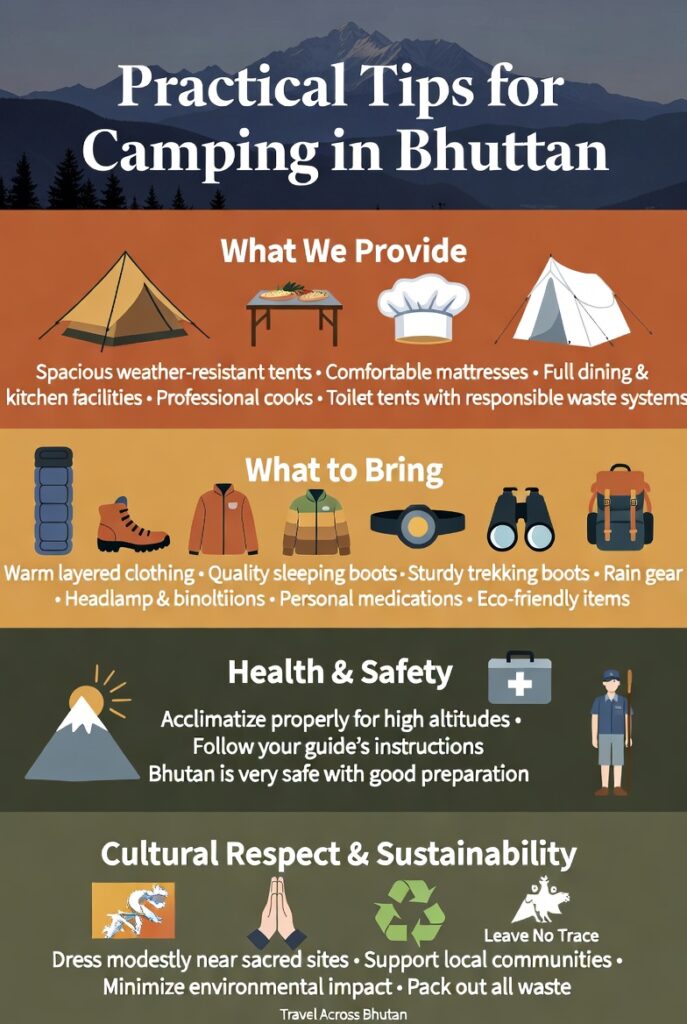
What We Provide: Spacious weather-resistant tents, mattresses, full dining/kitchen facilities, professional cooks, and toilet tents with responsible waste systems.
What to Bring: Warm layered clothing, quality sleeping bag (for colder high-altitude nights), sturdy trekking boots, rain gear, headlamp, binoculars, personal medications, and eco-friendly items.
Health & Safety: Acclimatize properly. Bhutan is very safe, but remote areas require good preparation.
Cultural Respect & Sustainability: Dress modestly near sacred sites and minimize environmental impact.
Camping Etiquette in Bhutan
Camping in Bhutan is about more than enjoying spectacular scenery—it’s also about respecting a country that places great importance on nature, spirituality, and local traditions. Following a few simple guidelines will help preserve these exceptional landscapes while ensuring a positive experience for both visitors and local communities.
Respect Sacred Places
Many campsites are located near monasteries, temples, chortens, or meditation caves. Keep noise to a minimum, dress modestly when visiting religious sites, and always follow your guide’s instructions regarding local customs. Never climb on religious monuments or move prayer stones.
Leave No Trace
Bhutan takes environmental conservation seriously. All waste should be packed out, and nothing should be left behind. Avoid picking flowers, disturbing wildlife, or damaging vegetation around your campsite. Your guide and support team will ensure that camps are left exactly as they were found.
Respect Wildlife
Bhutan’s forests are home to rare species such as the takin, red panda, Himalayan monal, and black-necked crane. Observe animals from a distance, avoid feeding wildlife, and keep noise levels low, especially at dawn and dusk when many species are most active.
Campfires Are Carefully Managed
Open fires are generally discouraged, particularly in protected areas and national parks. Meals are typically prepared using portable camping equipment carried by your support team, reducing environmental impact and wildfire risks.
Be Considerate of Local Communities
If your trek passes through villages or yak-herding settlements, greet local people respectfully and always ask permission before photographing individuals or entering private property. Small gestures of courtesy go a long way in Bhutanese culture.
Follow Your Guide’s Advice
Camping in Bhutan is always organized with a licensed local guide who understands weather conditions, trail safety, wildlife, and cultural etiquette. Following their recommendations ensures both a safe journey and a respectful visit to this remarkable Himalayan kingdom.
Why Camp in Bhutan with Travel Across Bhutan?
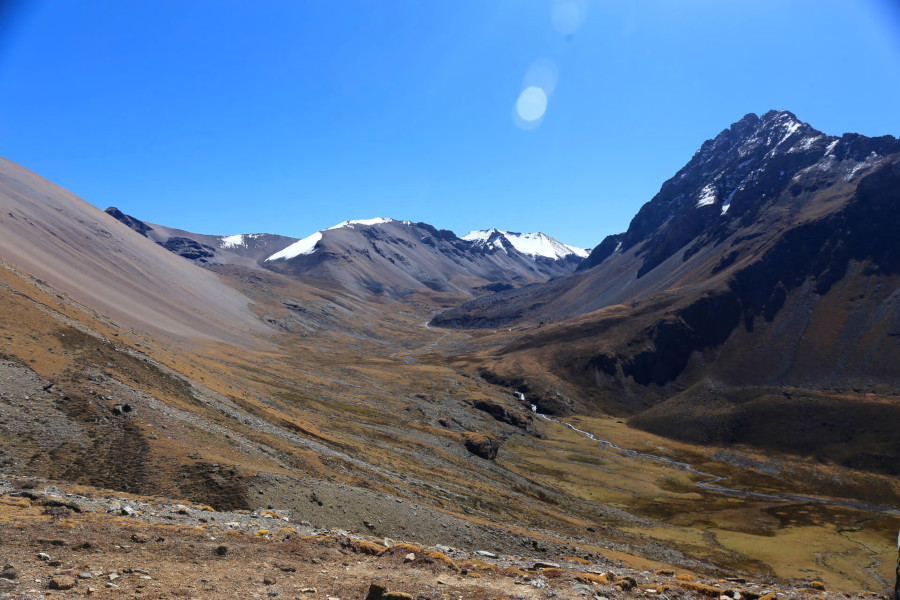
Camping offers an intimate connection to Bhutan’s extraordinary biodiversity, spiritual heritage, and Gross National Happiness philosophy.
Our experienced team customizes every itinerary to your fitness level and interests, ensuring a safe, comfortable, and responsible adventure.
Ready to pitch your tent beneath the Himalayas?
Contact Travel Across Bhutan today to plan your perfect camping journey.
From gentle one-night experiences to epic wilderness treks, we’ll handle every detail!
Frequently Asked Questions (FAQ)
1. Is independent or wild camping allowed in Bhutan?
No. International tourists cannot camp independently. All camping and trekking must be arranged through a licensed Bhutanese tour operator for safety, environmental protection, and regulatory compliance.
2. How much does camping in Bhutan cost?
- Sustainable Development Fee (SDF): USD 100 per person per night (children 6–11 get 50% discount).
- Trekking/Camping Package: On top of the SDF, expect USD 225 – 350 per person per night depending on group size and trek length (smaller groups pay more).
- Solo traveler: ~USD 300–350/night
- 2–3 people: ~USD 230–280/night
- Larger groups: lower per-person rates.
A typical 5-day / 4-night camping trek usually totals USD 1,800 – 2,800 per person (all-inclusive, excluding international flights).
3. What is included in a camping package?
Full-service camping (tents, mattresses, kitchen & dining tents, toilet tent), professional guide, cook & support staff, all meals, transportation, permits, and cultural guidance.
4. Is camping in Bhutan suitable for beginners and families?
Yes! Short, lower-altitude options like Bumdrak, Phobjikha, and Punakha are excellent for beginners and families. More challenging treks (Jomolhari, Laya-Gasa) are better for experienced hikers.
5. How cold does it get at night, camping in Bhutan?
Night temperatures vary greatly by altitude. At 3,000–4,000m, nights can drop to 0°C to -10°C (32°F to 14°F) even in autumn. A good quality sleeping bag (rated -5°C or lower) is essential.
6. Do I need any special vaccinations or permits?
No special vaccinations are required, but standard travel vaccinations are recommended. Your tour operator will arrange all trekking and camping permits.
7. What’s the difference between regular camping and glamping in Bhutan?
Bhutan offers both traditional expedition-style camping and more comfortable glamping experiences, depending on the destination and your travel preferences.
Regular camping is most common on trekking routes such as the Druk Path, Jomolhari, and Laya-Gasa treks. Your support team transports and sets up spacious expedition tents, comfortable sleeping mattresses, a dining tent, kitchen tent, and portable toilet facilities. It offers an authentic Himalayan adventure while maintaining a surprisingly high level of comfort.
Glamping, on the other hand, combines the beauty of the outdoors with the comforts of a boutique lodge. Available in selected locations such as Phobjikha Valley and parts of Punakha, glamping accommodations may include larger canvas tents, proper beds with quality linens, private or semi-private bathrooms, electricity, heating (depending on the property), and beautifully furnished communal areas.
Glamping is particularly popular with couples, families, photographers, and luxury travelers who want to experience Bhutan’s spectacular landscapes without sacrificing comfort.
8. What kind of food can I expect while camping in Bhutan?
One of the biggest surprises for many travelers is the quality of the food. Camping in Bhutan is a fully supported experience, with a dedicated cook preparing freshly made meals each day rather than relying on dehydrated camping food.
Depending on your itinerary, you can expect a mix of traditional Bhutanese cuisine and international favorites. Typical meals include soups, rice dishes, noodles, curries, grilled meats, fresh vegetables, eggs, pancakes, pasta, seasonal fruit, tea, and coffee. Longer treks often feature hearty dinners designed to help hikers recover after a day on the trail.
If you have dietary requirements—including vegetarian, vegan, gluten-free, or food allergies—your tour operator can usually accommodate them with advance notice.
9. Will I see wildlife while camping in Bhutan?
Bhutan is one of the world’s biodiversity hotspots, so wildlife encounters are certainly possible—although, as in any natural environment, sightings can never be guaranteed.
Depending on where and when you camp, you may spot a variety of birds and mammals, including Himalayan monals, black-necked cranes (in winter), takin (Bhutan’s national animal), red pandas, musk deer, blue sheep, and numerous species of pheasants and raptors. More elusive animals such as snow leopards, clouded leopards, and Bengal tigers inhabit Bhutan’s protected areas but are rarely seen by visitors.
Even if large mammals remain hidden, camping in Bhutan offers exceptional opportunities to experience untouched forests, alpine meadows, and pristine ecosystems while listening to birdsong and observing the country’s remarkable natural environment. For wildlife enthusiasts, camping is one of the best ways to immerse yourself in Bhutan’s extraordinary biodiversity.