Bhutan is often described as a remote Himalayan destination for trekkers, culture lovers, and luxury travelers — but it can also be a remarkably rewarding place for a family trip with kids. Children encounter mountains, animals, festivals, village life, Buddhist culture, and hands-on activities rather than simply moving from one sightseeing stop to another.
This guide brings together the best things to do in Bhutan with kids, practical advice for traveling with children, family-friendly destinations, and a sample itinerary. Whether you are planning a trip with young children, school-aged kids, or teenagers, the key is to balance adventure and cultural discovery with enough time to rest.
If planning feels daunting, Travel Across Bhutan can build a family-centered itinerary that combines cultural immersion, outdoor activities, and downtime while taking care of the logistics that matter when traveling with children.
Is Bhutan Kid-Friendly?
Yes, Bhutan can be an excellent destination for families, particularly when the itinerary is designed around the children’s age and energy levels. The country is generally peaceful and welcoming, and many experiences are naturally interactive: children can try archery, make traditional paper, meet farming families, look for wildlife, walk through rice fields, or learn the stories behind Bhutanese temples and festivals.
The main challenge is not finding things for kids to do, but managing the rhythm of the journey. Bhutan is mountainous, roads can be winding, and some of the most famous sights involve steep walks or stairs. Families usually have the best experience when they avoid packing every day with activities and leave time for breaks, snacks, naps, and spontaneous stops.
For younger children, prioritize shorter walks, comfortable accommodation, and destinations such as Paro, Thimphu, and Punakha. Older children and teenagers can handle more demanding hikes, rafting, wildlife experiences, and longer journeys into Bhutan’s valleys.
Quick Practical Notes for Families Traveling to Bhutan
- Sustainable Development Fee (SDF): The SDF is charged per person and Bhutan provides reduced rates for children. Because fee rules and exemptions can change, check the current rates before booking and make sure the children’s ages are entered correctly in your travel arrangements.
- Travel rules & operators: Bhutan’s travel requirements can vary according to the traveler and itinerary. A licensed Bhutanese tour operator can handle permits, transport, accommodation, and itinerary logistics — particularly useful for families traveling beyond the main western valleys.
- Safety: Bhutan is extremely safe in terms of crime, but parents should keep a close eye on kids near rivers, suspension bridges, and monastery ledges. Mountain trails are well marked but require supervision.
- Altitude & acclimatization: Start with gentler valleys (Paro, Thimphu) and save higher-altitude hikes like Tiger’s Nest for later in the trip. Even healthy children can tire more quickly above 2,000m, so keep days flexible.
- Transport & motion sickness: Drives between valleys are beautiful but winding. Bring motion sickness bands, ginger candy, or prescribed medication. Plan stops every 1–2 hours for breaks.
- Health & insurance: Carry all prescribed medicines (pharmacies are limited outside main towns). Emergency evacuation insurance is strongly advised. Vaccinations are generally standard, but check requirements before traveling.
- Food for families: Bhutanese food leans spicy, but hotels and restaurants are used to adjusting. Expect kid-friendly staples like fried rice, noodles, dumplings (momos), and soups. Carry favorite snacks from home for long drives or picky eaters.
- Packing tips: Layers are essential (days warm, evenings cool). Lightweight rain jackets, sunhats, sunscreen, and sturdy walking shoes are must-haves. A baby/toddler carrier is more practical than a stroller on Bhutan’s uneven paths.
- Connectivity: Wi-Fi is available in most hotels, though often slow. Mobile SIMs are inexpensive if parents want to stay connected — useful for older children with devices.
- Cultural etiquette: Teach kids simple courtesies: walking clockwise around stupas, removing shoes before temples, and keeping voices low inside monasteries. Bhutanese are very tolerant of children, and a little respect goes a long way.
- Festivals & events: Tsechus (masked dance festivals) are family-friendly but long. Bring snacks, water, and hats for shade so children stay comfortable.
- Flexibility matters: Bhutan’s pace is slower — road delays, festival schedules, or weather may shift plans. Families who keep buffer time for naps and downtime tend to enjoy the trip much more.
Why Bhutan works brilliantly for families
Families come home from Bhutan with the same three things: stories, calm, and a new way of seeing the world.
- Kids get hands-on learning. Bhutan isn’t a “museum trip.” Children paint thangka motifs, try archery, make paper, feed farm animals and learn about conservation first-hand.
- It’s safe and small. Low crime, friendly people, clean air and short driving distances between major highlights make travel with kids easier.
- You can pace the trip. Mix half-day cultural activities with gentle hikes or nature breaks so everyone stays energized.
Best Things to Do in Bhutan With Kids
Gentle hikes and nature walks (ages 4+)

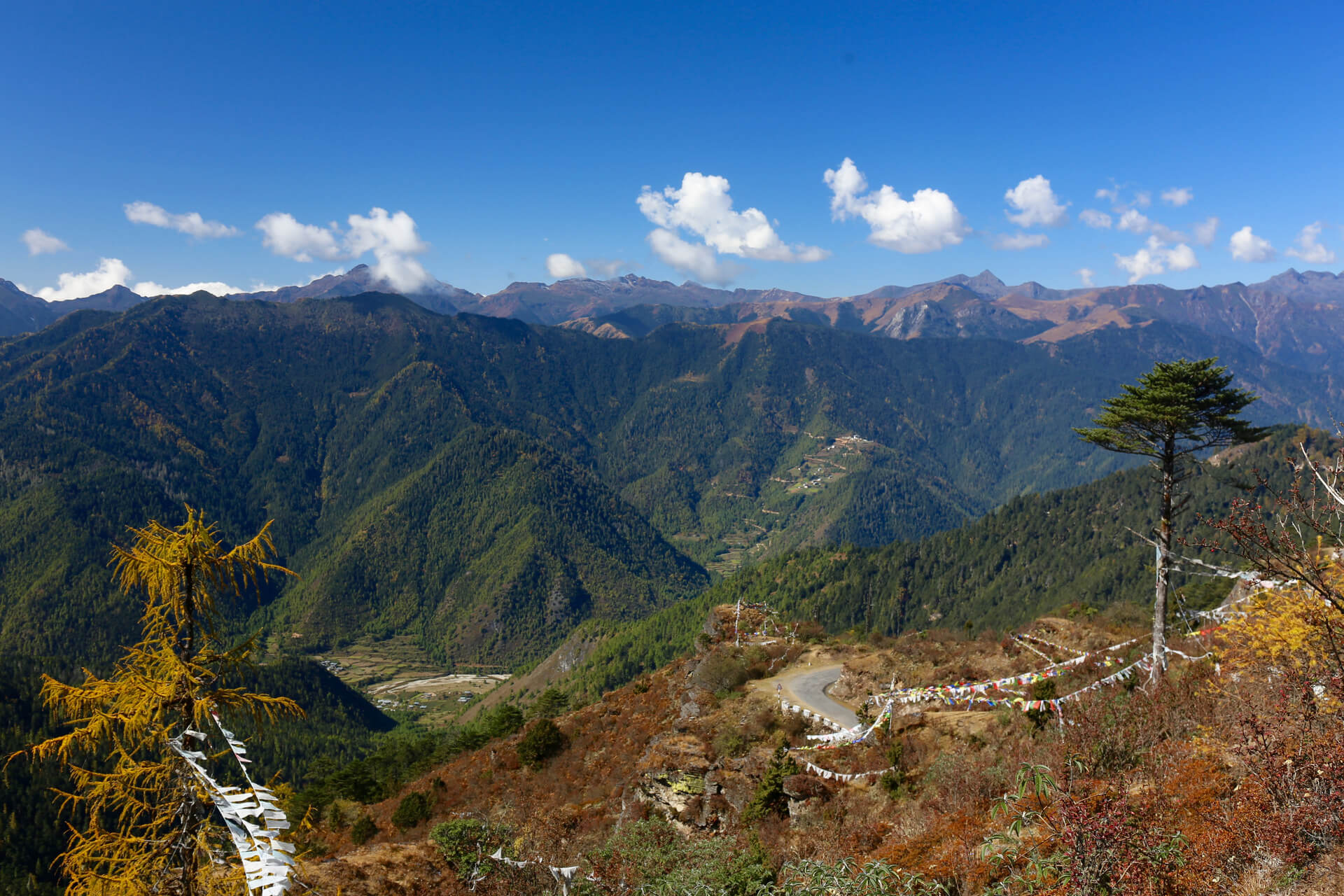
Bhutan is a natural playground, and some of its best trails are gentle enough for younger walkers. Families do not need to tackle a major trek to experience the Himalayan landscape: short valley walks, forest paths, riverside trails, and village routes can all become memorable adventures.
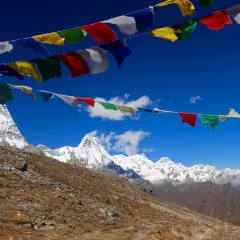
Imagine your child spotting a line of prayer flags fluttering across a ridge, or skipping stones by a river in Paro Valley.
Trails like the Gangtey Nature Trail or the loops around Dochula Pass are short but full of surprises: wildflowers, butterflies, and little climbs that feel like a true adventure.
Parents love them because they’re safe, well-maintained, and never too demanding, while guides often share folktales that keep kids curious and entertained.
The trick is to break walks into 30–60 minute chunks, keep snacks handy, and celebrate each “mini summit” with photos and laughter. For families, these walks become less about the distance and more about the joy of exploring together.
Tiger’s Nest (Paro Taktsang) — the big family highlight

Every parent who visits Bhutan dreams of seeing their kids reach Tiger’s Nest — and for good reason.
The monastery clinging to the cliffside feels straight out of a storybook. Older children, especially, get a huge sense of accomplishment once they’ve climbed the trail and see the temple appear through the mist.
The hike is challenging, yes, but very doable with breaks, and ponies are available to help younger kids on the steeper sections.
Parents should plan it later in the trip so kids are already acclimatized to the altitude.
When you finally stand together as a family at the lookout, with the monastery glowing in the sun, it’s one of those rare parenting moments where effort and wonder collide.
That shared triumph — “we did it together!” — stays in the memory long after you’ve flown home.
River rafting & water fun (ages 6+)
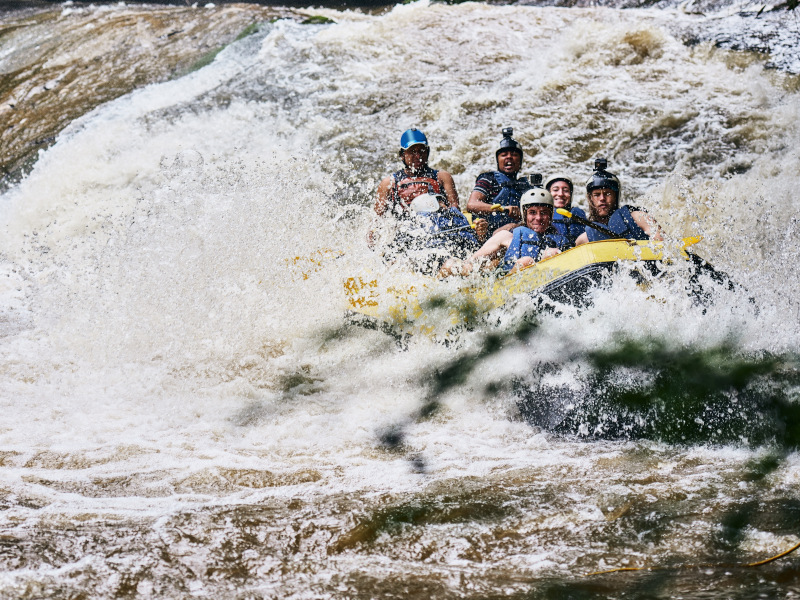
Bhutan isn’t just about mountains — rivers bring a splash of adventure that kids adore.
On the Mo Chhu River in Punakha, families can experience a gentler form of Himalayan adventure. Depending on conditions and the operator, sections of the river offer an accessible introduction to rafting, with children able to enjoy the water, scenery, and excitement of moving through the valley by boat.
It can be a refreshing change after several days of temples and museums. Bring dry bags for snacks and cameras, and make sure children have properly fitted life jackets and follow the operator’s age and safety requirements. Conditions on mountain rivers can change, so the final choice of route should always be made locally.
Wildlife encounters (all ages)
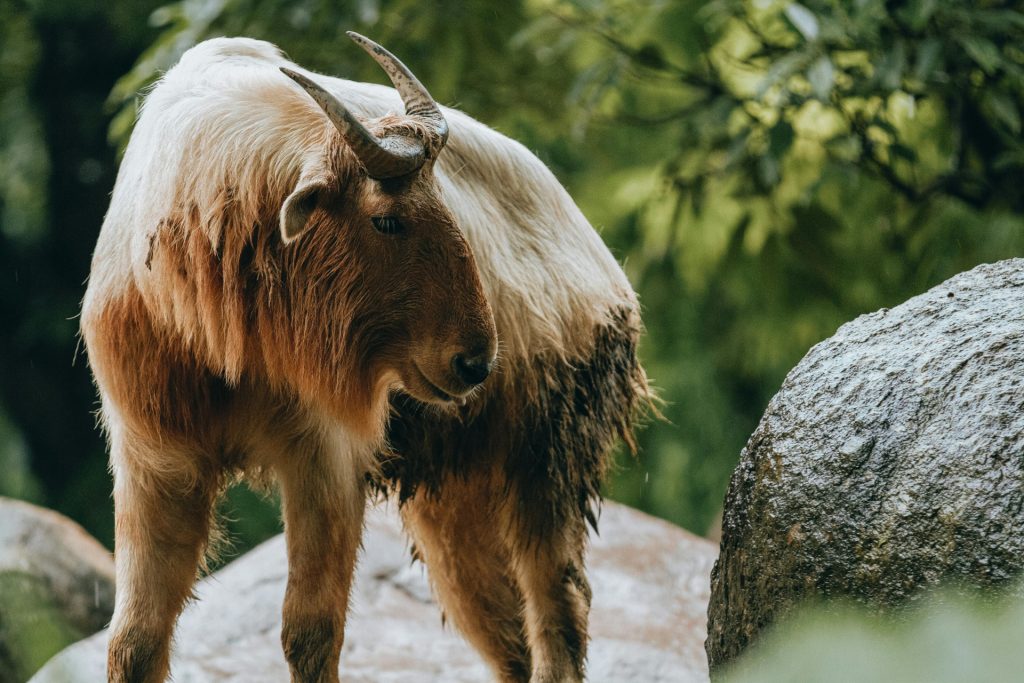
Few things light up a child’s eyes like seeing animals up close.
In Thimphu, the Motithang Takin Preserve introduces families to Bhutan’s quirky national animal, half goat and half antelope in appearance.
In winter, Phobjikha Valley turns into a magical birding site where hundreds of black-necked cranes descend on the fields — a sight that fascinates both kids and adults.
For families with older children, Royal Manas National Park offers deeper jungle experiences, with elephants, deer, and tropical birds that make you feel like you’ve stepped into another world.
Early mornings work best, so pack hot chocolate in a thermos and turn it into an adventure: a family safari at dawn.
Archery and traditional games (all ages)

Archery is Bhutan’s heartbeat, and watching it is like stepping into a village festival.
Kids love the playful noise — cheers, songs, and the drama of whether the arrow hits the target. Many centers let children try with smaller bows, while parents can join in or simply enjoy the lively atmosphere.
It’s not just a sport; it’s a window into how Bhutanese people celebrate, tease, and bond with each other. Families often find this becomes a favorite memory because it’s interactive, fun, and completely different from museum-style culture.
Farmhouse stays & village life (all ages)
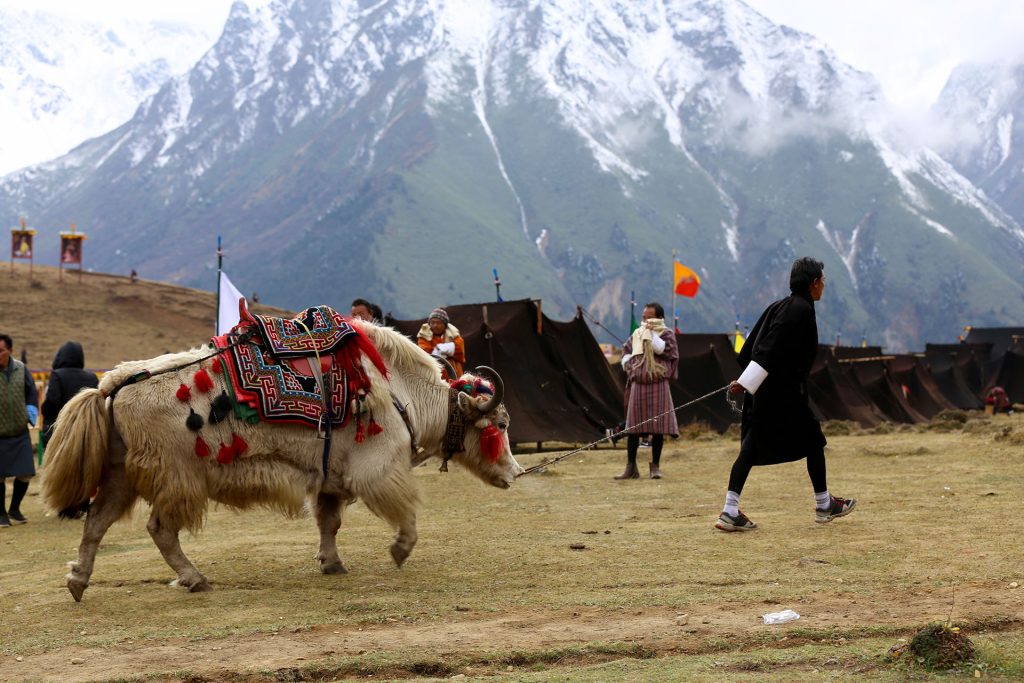
For parents who want their children to connect with a simpler lifestyle, Bhutan’s farmhouses are magical.
Kids can try feeding animals, stirring butter tea, or helping prepare momos in a local kitchen.
At night, families sit together around a wood stove, sharing stories with their hosts. Rooms are simple, but the warmth is unforgettable. For kids used to Wi-Fi and screens, it’s a revelation: life without gadgets but full of play and human connection.
Parents love seeing their children discover joy in small things — chasing chickens, learning how cheese is made, or just running free in wide fields.
Craft workshops (all ages)

Bhutanese crafts aren’t just beautiful — they’re hands-on fun.
Paper-making workshops let kids dip pulp into wooden frames and decorate their own sheets, leaving with a handmade souvenir.
In Thangka painting sessions, children are guided to create simplified dragons, clouds, and flowers, turning art into a family project.
And in Thimphu, kids can design personalized postage stamps with their own faces — a quirky keepsake that often becomes the most treasured item from the trip.
These activities balance cultural depth with play, which is exactly what family travel needs.
Festivals — theatre for the whole family

If your trip coincides with a tsechu (festival), don’t miss it.
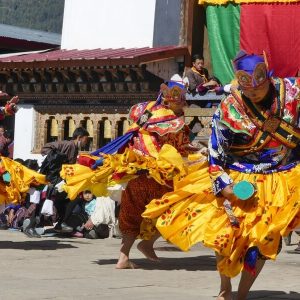
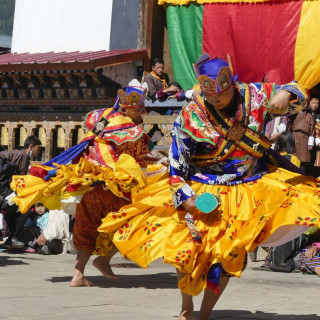
For kids, it’s like stepping into a live fairytale: swirling masks, pounding drums, enormous thangka scrolls unfurled from temple walls.
Parents often find that their children sit spellbound for hours, their curiosity overriding tired feet. Big festivals in Paro and Thimphu are spectacular, but smaller village tsechus offer intimacy, shorter ceremonies, and a chance to meet local kids. Families should pack snacks, hats, and patience — but the payoff is incredible: a sensory feast that every generation can enjoy together.
Places & routes that work best for families (by region)
Paro & Its Surroundings

Paro is where most families begin and end their Bhutan trip, since the international airport is here. The valley is broad and green, with a gentle atmosphere that makes it a perfect soft landing after a long flight.
- What to do with kids: Stroll through Paro’s town center and lively weekend market, where children can try local sweets and browse handicrafts. Easy riverside walks allow little ones to stretch their legs without too much effort. The jewel, of course, is the hike to Tiger’s Nest Monastery, which older kids usually see as a thrilling adventure. Families with younger children can shorten the climb with pony rides or stop at the halfway café.
- Why it works for families: Paro combines practical convenience with iconic sights, family-friendly hotels, and activities that range from relaxed to challenging. Parents can pace the trip gently here before tackling longer drives.
Thimphu (The Capital)
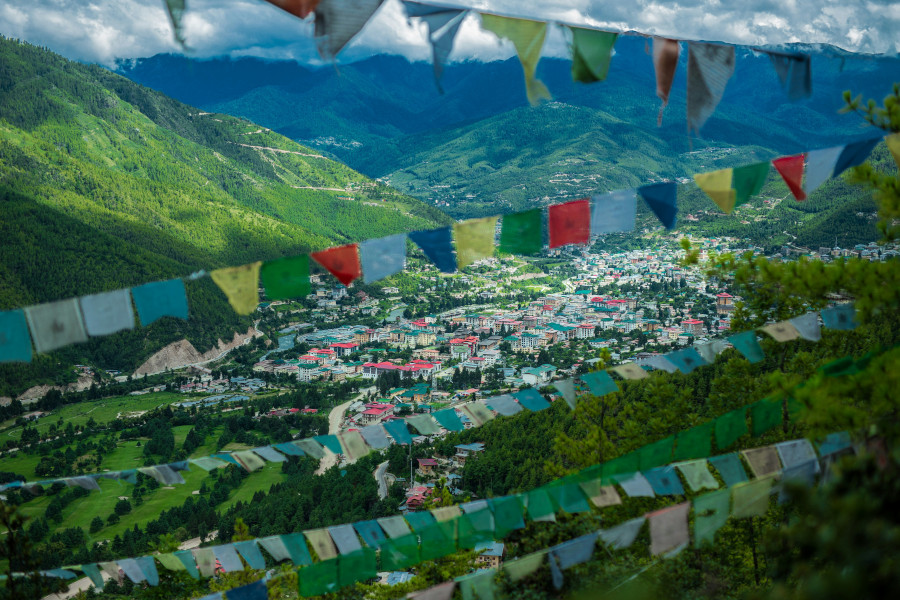
Thimphu feels like a small town more than a capital city, making it approachable for families.
- What to do with kids: Visit the Motithang Takin Preserve, where Bhutan’s unusual national animal fascinates children. The massive Buddha Dordenma statue is both awe-inspiring and photogenic, while the National Institute for Zorig Chusum (arts & crafts school) lets children watch young artists painting or carving. Stamp-making workshops or the Folk Heritage Museum provide hands-on fun.
- Why it works for families: The variety of short, engaging stops keeps kids entertained without overwhelming them, and most sites are within 15 minutes of each other by car. Parents appreciate the mix of cultural learning and open spaces to run around.
Punakha (Playful & Scenic Base)

Punakha, with its warm climate and lush river valleys, is often described as Bhutan’s most family-friendly base.
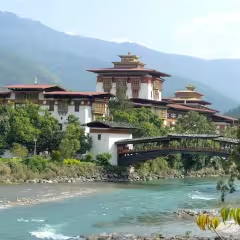
- What to do with kids: Explore Punakha Dzong, a fortress with painted corridors and courtyards big enough for children to roam. Cross Bhutan’s longest suspension bridge, which feels like an adventure playground high above the river. Families love the calm rafting trips down the Mo Chhu River, with safe rapids that splash without scaring. For something quieter, the Khamsum Yulley Chorten hike is a short walk through rice terraces, ideal for introducing children to Bhutan’s landscapes.
- Why it works for families: Punakha is compact, sunny, and full of gentle activities. Parents often say it strikes the best balance between adventure and relaxation, making it an excellent hub for 2–3 nights.
Phobjikha / Gangtey Valley (Nature Escape)

This high-altitude glacial valley feels wide and open, a place where children can simply breathe and explore.
- What to do with kids: The Gangtey Nature Trail is a flat, family-friendly walk through meadows and forests where kids can chase butterflies in summer or look for the famous black-necked cranes in winter. Visits to Gangtey Monastery are usually short and pleasant, while farmhouse stays allow hands-on activities like helping with cows, cooking, or learning traditional games.
- Why it works for families: With fewer cars and a slower pace, Phobjikha is a safe and restful stop where children connect with nature. Parents value the authentic rural experience and the chance to unplug from screens.
Royal Manas & the Southern Parks (For Adventurous Families)
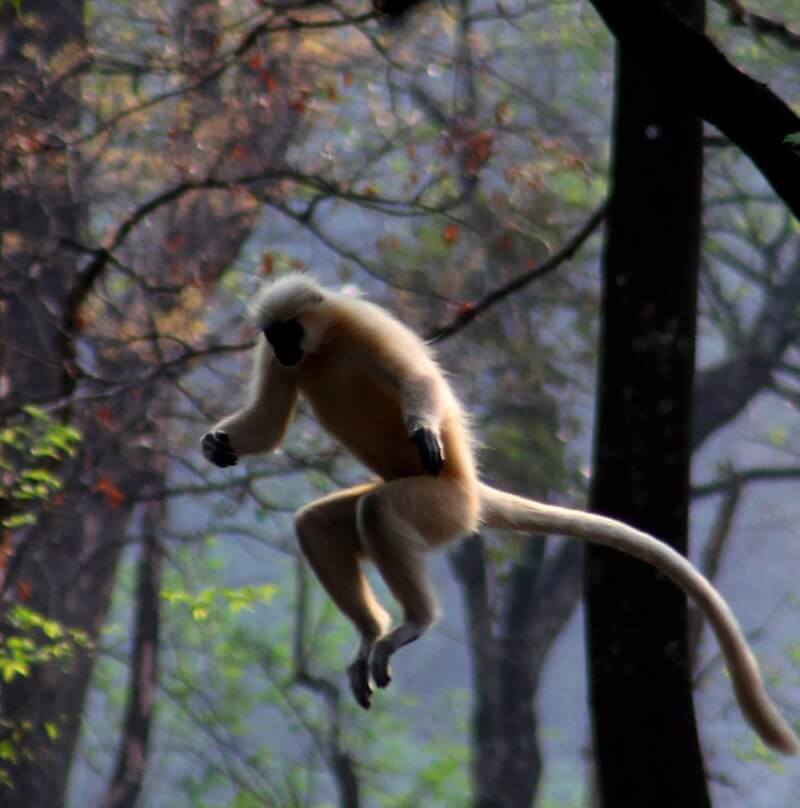
For families with older children or teens, Bhutan’s southern national parks offer a completely different experience: jungles, safaris, and tented camps.
- What to do with kids: In Royal Manas National Park, children may spot elephants, golden langurs, deer, and a dazzling array of birds. Guided river safaris and short nature treks add variety. Overnight stays in eco-camps are simple but exciting, turning the trip into a mini-safari adventure.
- Why it works for families: This is the wild side of Bhutan, best for families who don’t mind longer drives and rustic comfort. For kids who love animals and adventure, it’s unforgettable — but it’s not suited to toddlers or those who prefer hotel comforts.
7-Day Family Itinerary in Bhutan
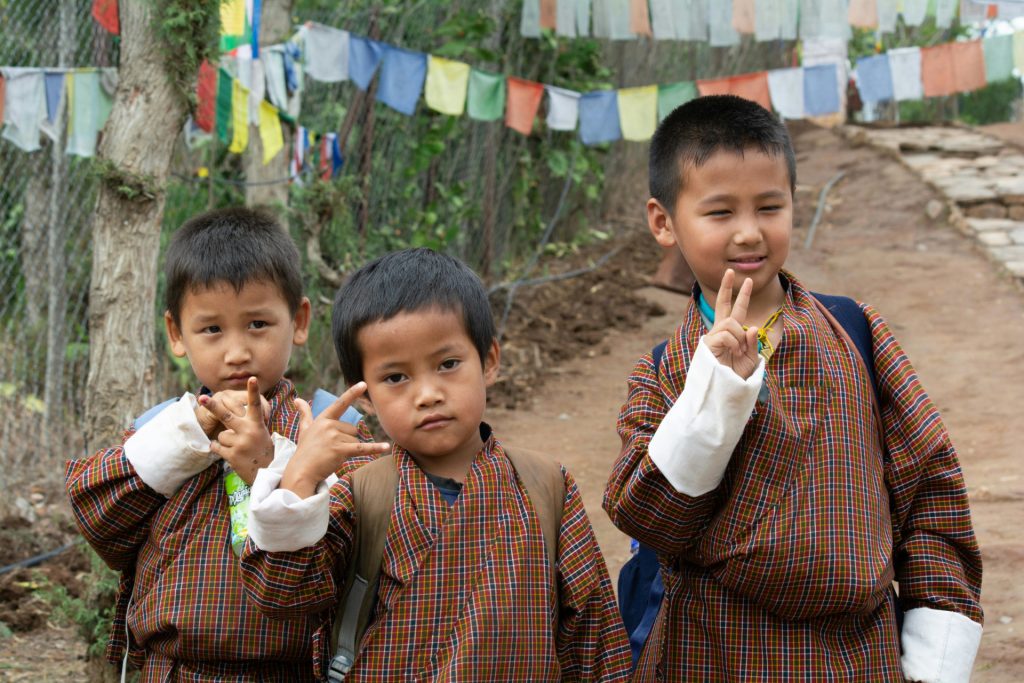
Day 1 — Arrival in Paro (easy start, 30–40 min activities)
- Arrival: Paro International Airport. Transfer to hotel (10–15 minutes).
- Afternoon: Gentle stroll through Paro town and market (1–2 hours). Children enjoy local sweets and souvenirs, while parents get oriented.
- Optional visit: Paro Dzong (Rinpung Dzong), with its bridges and murals (about 1 hour).
- Evening: Early dinner and rest — good for overcoming travel fatigue.
Day 2 — Hike to Tiger’s Nest (Paro Taktsang)
- Morning: Drive 20 minutes to the trailhead.
- Hike: 2–3 hours up for adults, 3–4 hours with kids (including snack stops). Pony rides can help younger children for the first stretch.
- At the top: Spend about 1 hour exploring the monastery.
- Picnic or café stop: 1 hour break at the halfway viewpoint.
- Afternoon: Descend (2 hours).
- Evening: Optional hot stone bath (1 hour) — a soothing experience after the hike.
Tip for families: Plan Tiger’s Nest as your main “achievement day.” Kids usually love the sense of accomplishment but need a calm evening afterwards.
Day 3 — Drive Paro → Punakha (5–6 hours with stops)
- Morning drive: Cross Dochula Pass (3 hours from Paro). Short family walks around the 108 chortens and tea/snack stop (1 hour).
- Lunch: Scenic café at the pass.
- Afternoon drive: Continue to Punakha (2–3 hours).
- Late afternoon activity: Visit Punakha Dzong (1–1.5 hours). Kids are often amazed by the size and the murals.
- Evening: Check into hotel; rest by the riverside.
Day 4 — Fun & adventure in Punakha (active day, 4–5 hours of activities total)
- Morning: Rafting on Mo Chhu (2 hours). Family-friendly section with gentle rapids.
- Lunch: Riverside picnic or return to hotel.
- Afternoon: Khamsum Yulley Namgyal Chorten hike (45 minutes uphill, 30 minutes down).
- Evening: Walk across Bhutan’s longest suspension bridge (30 minutes). Kids love the thrill.
Day 5 — Punakha → Phobjikha Valley (4–5 hours drive)
- Morning drive: Winding but scenic road to Phobjikha Valley (4–5 hours). Bring snacks, make short photo stops.
- Afternoon activity: Stretch legs on the Gangtey Nature Trail (1.5 hours). It’s an easy, family-friendly hike across meadows and pine forests.
- Evening: Check into a farmhouse or lodge. Fireplace, home-cooked dinner, stargazing.
Day 6 — Explore Phobjikha Valley (slow, nature-based day)
- Morning: Black-necked crane information centre (30 minutes) + birdwatching walk (1 hour). In winter, kids can spot cranes feeding in the valley.
- Late morning: Visit Gangtey Monastery (1 hour), simple and welcoming.
- Afternoon: Village walk or craft activity with locals (2 hours). Children enjoy seeing farm animals, learning how butter tea is made, or helping with daily chores.
- Evening: Bonfire or storytelling at the lodge/farmstay.
Day 7 — Phobjikha → Thimphu → Paro departure (long day, but balanced)
Overnight near airport if flight is next morning, or evening departure if scheduled.
- Morning drive: Phobjikha → Thimphu (5–6 hours).
- Afternoon in Thimphu (2–3 hours):
- Motithang Takin Preserve (1 hour).
- Simple craft workshop (1 hour: paper-making or stamp creation).
- Quick stop at Buddha Dordenma for panoramic views.
- Evening: Continue to Paro (1.5–2 hours).
FAQs
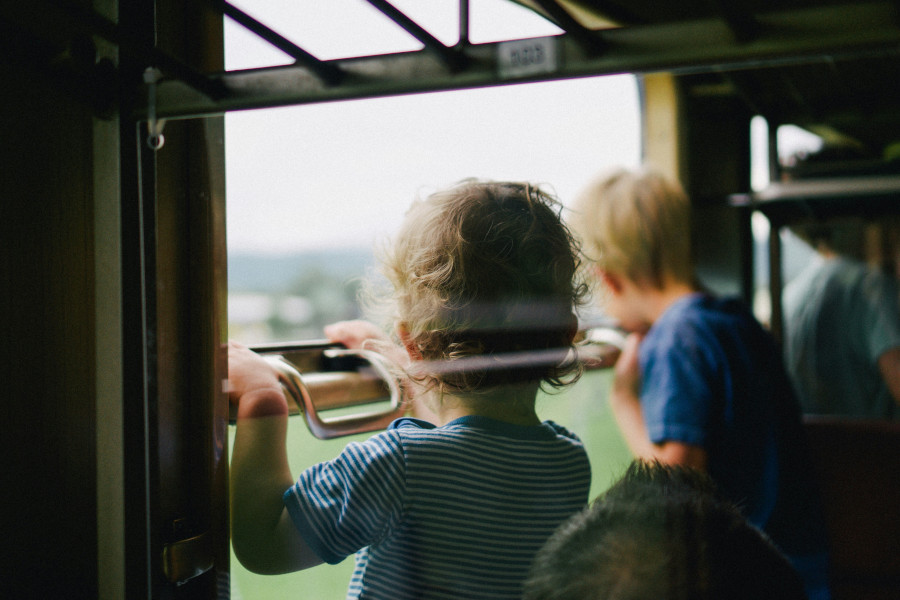
Is Bhutan safe for toddlers and babies?
Yes — Bhutan is very safe, with low crime rates and welcoming communities. Plan conservatively: opt for shorter hikes, schedule more rest, and always keep young children supervised around rivers, trails, and monasteries. Cribs aren’t guaranteed in smaller hotels — bring a portable travel crib if needed.
Do children pay the SDF?
Children aged 6–12 usually pay a reduced SDF (-50%); under six are typically exempt. Always confirm the current SDF policy with your operator when booking since rules can change.
Can we do Tiger’s Nest with kids?
Yes — many families do, particularly with school-aged children and teenagers. The hike is demanding, so assess your child’s fitness, start early, go slowly, and allow plenty of breaks. Where available and appropriate, pony support can help with part of the ascent, but families with very young children may find a carrier more practical.
Are medical facilities child-friendly in Bhutan?
Major towns like Thimphu and Paro have basic hospitals, but rural areas have limited services. Bring your children’s medication, a first aid kit, and consider travel insurance with medical evacuation coverage. Doctors are generally kind and attentive, but don’t expect Western-style pediatric care everywhere.
What kind of food will kids eat in Bhutan?
Bhutanese cuisine can be spicy, but most restaurants and hotels happily prepare mild dishes. Common kid-friendly options include momos (dumplings), fried rice, noodles, soups, and pancakes. Bring familiar snacks for picky eaters and keep a few treats handy for long drives.
Do we need a guide when traveling with children?
Guides are not only required for most itineraries but also a huge help for families. They can adjust pacing, suggest family-friendly stops, and smooth logistics such as meals, toilets, and car breaks. Many guides enjoy working with children and engage them with stories and legends.
How child-friendly is the transport?
Road trips are a big part of traveling Bhutan, with winding mountain roads that can take hours. Bring car seats if your kids still need them — these are rarely provided by local operators. Motion sickness medication and snacks are essential. Break up long journeys with monastery visits or picnic stops.
Can we use strollers in Bhutan?
Strollers aren’t practical except in flatter urban areas like central Thimphu or Paro town. Most sites involve stairs, uneven paths, or trails. A good baby carrier or toddler backpack is far more useful.
What’s the best age for children to visit Bhutan?
School-aged kids (6–12) tend to get the most out of Bhutan, as they can hike moderately and appreciate cultural stories. Teens enjoy the challenge of treks and the uniqueness of Bhutanese culture. Babies and toddlers can also come — but expect to slow the pace, carry more gear, and plan more downtime.
Are toilets and changing facilities available?
Public toilets exist in some tourist areas but can be basic. Hotels have Western-style bathrooms, but on road trips you may need to rely on simple roadside facilities. Bring tissues, wipes, hand sanitizer, and a portable changing mat for babies.
What cultural etiquette should children know?
Bhutanese people are warm and tolerant with kids, but it’s good to prepare them: remove shoes before entering temples, don’t climb on religious monuments, and keep voices calm in monasteries. Bhutanese often smile and offer candy or attention to kids — teach your children to accept politely.
How does the weather affect family travel?
Weather shifts quickly in the mountains. Even in warmer months, mornings and evenings can be cold. Layering is essential for children. Rain jackets and waterproof shoes are helpful if traveling in monsoon season (June–September).
How many days do you need for a family trip to Bhutan?
Around 7–10 days works well for a first family trip, giving you enough time to combine Paro, Thimphu, and Punakha without rushing. Families with younger children may prefer a slower itinerary with fewer hotel changes, while families with older kids can comfortably add Phobjikha, rafting, wildlife, or longer hikes.
What are the best places to visit in Bhutan with family?
Paro, Thimphu, and Punakha are the easiest starting points for a family holiday. Paro offers Tiger’s Nest and gentle valley activities, Thimphu has museums, crafts and wildlife experiences, while Punakha combines warm weather, rivers, the dzong, rafting, and short walks. Phobjikha is particularly rewarding for families interested in nature and wildlife.
Is Bhutan a good destination for young children?
Yes, provided you slow the itinerary down. Toddlers and younger children can enjoy villages, animals, short nature walks, crafts, markets, and family-friendly cultural experiences. The main considerations are long road journeys, uneven paths, stairs, and the need for regular rest breaks.
Is Bhutan suitable for teenagers?
Very much so. Teenagers can take part in more active experiences such as Tiger’s Nest, rafting, cycling, archery, wildlife excursions, and longer hikes. Cultural activities are also more engaging when guides explain the stories, legends, and traditions behind what they are seeing.
What is the best time to visit Bhutan with kids?
Spring and autumn generally offer the most comfortable conditions for outdoor activities and sightseeing. Winter can be excellent for clear skies and quieter travel, while summer and monsoon months bring greener landscapes but more rain. Choose the season according to your children’s tolerance for cold, rain, and outdoor activities.
Why Bhutan Is Worth Visiting With Kids
Bhutan gives children space to breathe, play, and witness a culture that celebrates nature and community. It’s a place where the tallest stories are told through dance, and where simple activities — making paper, shooting an arrow, flying a prayer flag — form the heart of education.
If you want a family trip that combines adventure, meaningful cultural exchange, and time to simply enjoy being together, Travel Across Bhutan can tailor the journey around your children’s ages, interests, and energy levels. From a first family visit focused on Paro and Punakha to a longer journey with wildlife, crafts, rafting, and village experiences, the itinerary can be paced so that the kids stay curious and the adults stay relaxed.
Ready to plan?