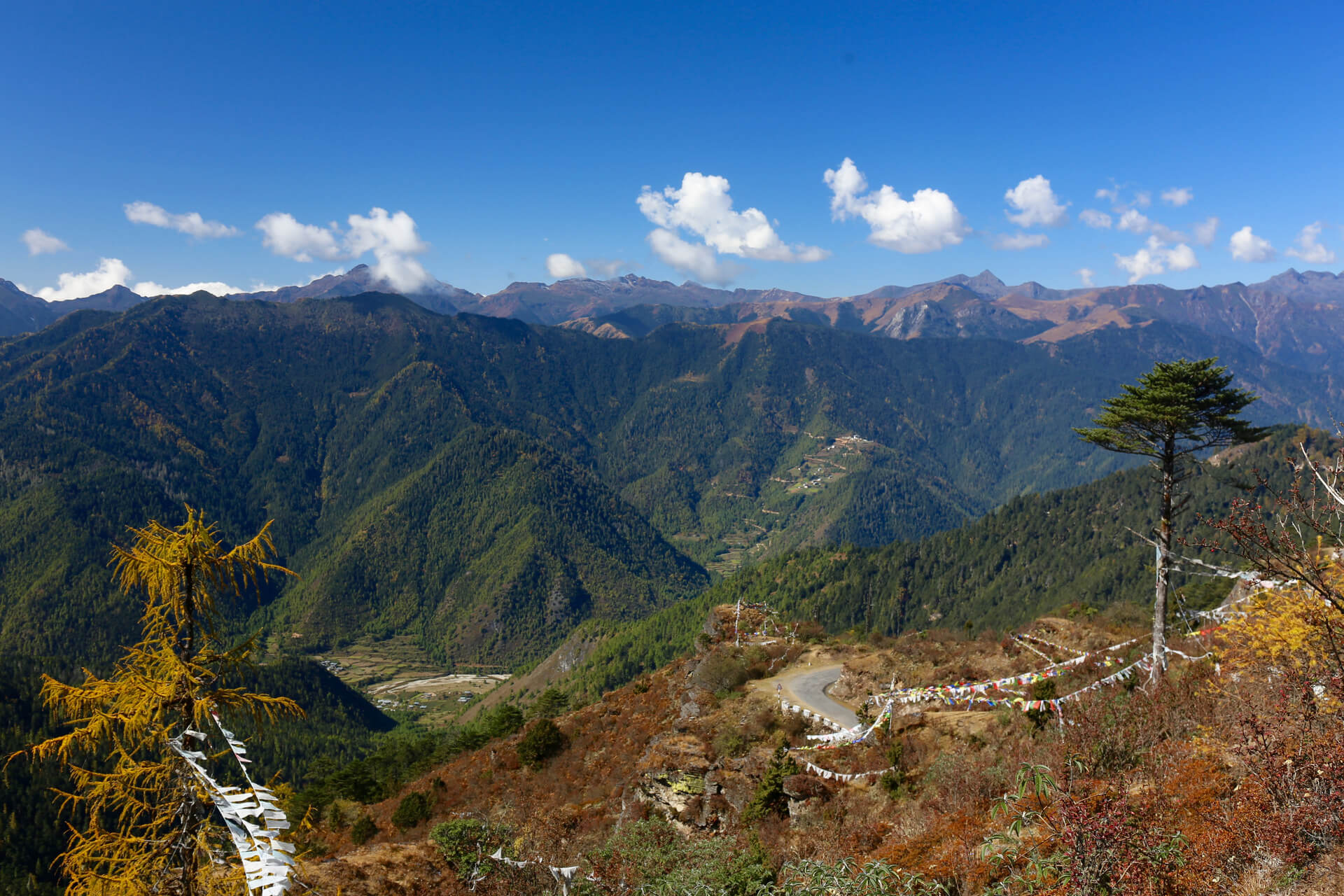
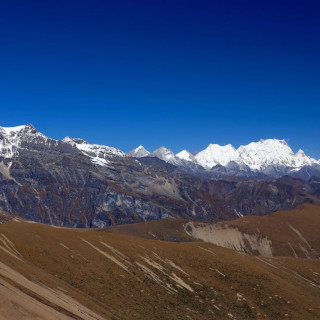
Nestled in a serene valley at 2,334 meters above sea level, Thimphu is Bhutan’s capital and largest city — yet it retains the calm spirit of a mountain town. For travelers looking for things to do in Thimphu, the city offers an unusual mix of fortresses, monasteries, museums, markets, handicraft workshops, viewpoints, hiking trails, and contemporary cultural experiences.
The absence of traffic lights, replaced by white-gloved policemen, is one of the details that makes Thimphu distinctive. The city is framed by pine-covered hills and bisected by the Wang Chhu River, creating a setting that feels both intimate and mountainous. From its dzongs and monasteries to its markets, traditional arts, food, nightlife, and scenic hikes, Thimphu rewards travelers who take time to explore beyond the headline landmarks.
Where Is Thimphu?
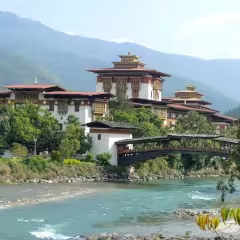
Thimphu lies in western-central Bhutan, in the valley formed by the Wang Chhu River. It is connected by road with Paro to the west and Punakha and the eastern valleys to the east, making it one of the most practical bases for exploring western Bhutan.
The city itself stretches along the valley floor and up the surrounding hillsides, so many of the best viewpoints and monasteries are reached by short drives or walks outside the central streets.
For first-time visitors, this location makes Thimphu an important part of a Bhutan itinerary rather than simply a transit stop. The combination of government buildings, Buddhist institutions, museums, markets, cafés, craft workshops, and nearby mountain trails gives the capital a character that is distinctly different from Paro or Punakha.
A Glimpse into Thimphu’s History
Thimphu’s story is relatively young by Bhutanese standards. It became the capital in 1961, replacing Punakha as the royal and administrative heart of the nation. Yet, its roots stretch back to the 12th century, when monks established the Changangkha Lhakhang temple on the surrounding ridges.
Under the visionary leadership of King Jigme Dorji Wangchuck, Thimphu evolved from a modest settlement into a thriving modern city while preserving its Buddhist core. Government buildings follow traditional architectural codes, ensuring that even contemporary structures blend seamlessly with the landscape. Today, Thimphu stands as both the political pulse and the spiritual anchor of Bhutan — a place where rituals, governance, and community life are inseparable.
Thimphu at a Glance
| Location | Western-central Bhutan, in the Thimphu Valley |
| Role | Capital and main political, administrative, and commercial centre of Bhutan |
| Elevation | Approximately 2,334 m / 7,657 ft |
| Language | Dzongkha is the official language; English is widely used |
| Religion | Vajrayana Buddhism is central to the city’s cultural life |
| Currency | Ngultrum (Nu), pegged to the Indian Rupee |
| Recommended stay | 2–3 days for a first visit, longer if you want hikes and cultural experiences |
| Best time to visit | Spring and autumn for generally pleasant weather and clearer mountain views |
Thimphu is compact enough for visitors to combine several central attractions in a day, but the wider valley also offers monasteries, viewpoints, villages, and hiking routes that deserve more time. The city is therefore best treated as more than a checklist of monuments: it is a useful base for experiencing contemporary Bhutanese life alongside its religious and cultural heritage.
Best Things to Do in Thimphu
Cultural & Historic Places
1. Tashichho Dzong – The Fortress of the Glorious Religion
Location: Chhagchhen Lam, North Thimphu
TripAdvisor Rating: 4.5/5
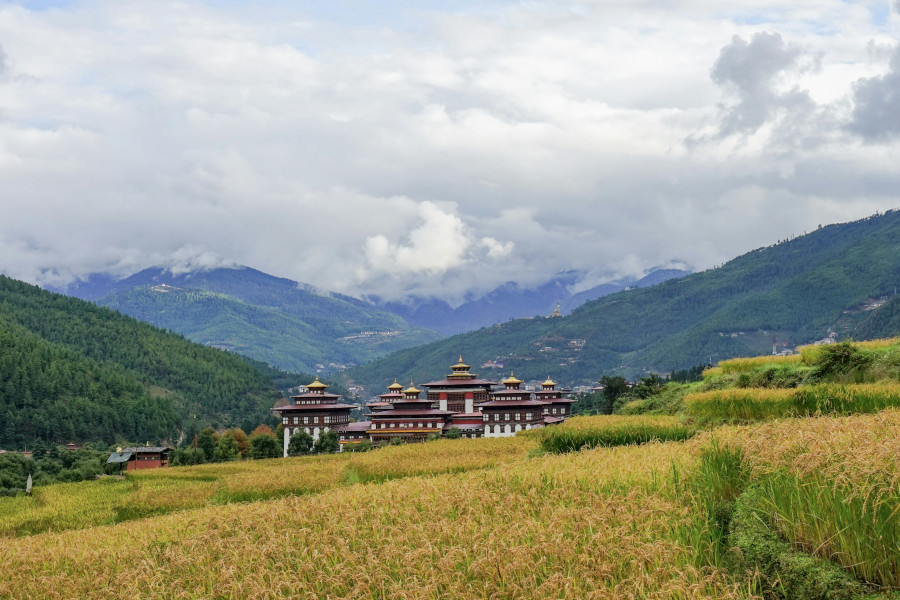
This magnificent fortress-monastery, standing along the banks of the Wang Chhu River, is Thimphu’s most emblematic monument. Tashichho Dzong houses Bhutan’s central secretariat, the King’s throne room, and key government offices, making it the political and spiritual heart of the nation.
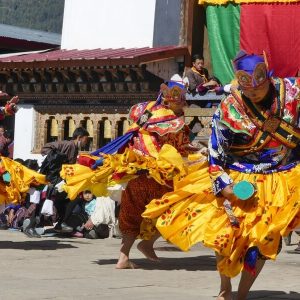
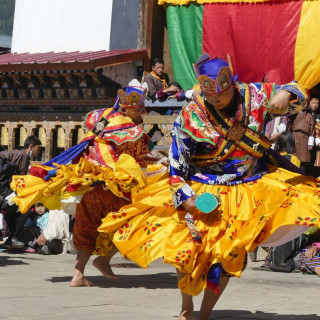
Its whitewashed walls and golden roofs glow at sunset, while the interior courtyard — open to visitors after working hours — offers a glimpse of monastic life. Each autumn, the dzong bursts into color during the Thimphu Tshechu Festival, when masked dances, music, and prayers fill the air. For travelers fascinated by architecture, spirituality, or photography, this site captures the essence of Bhutanese identity.
2. Buddha Dordenma Statue – The Protector of the Valley
Location: Kuenselphodrang Nature Park
Google Rating: 4.7/5
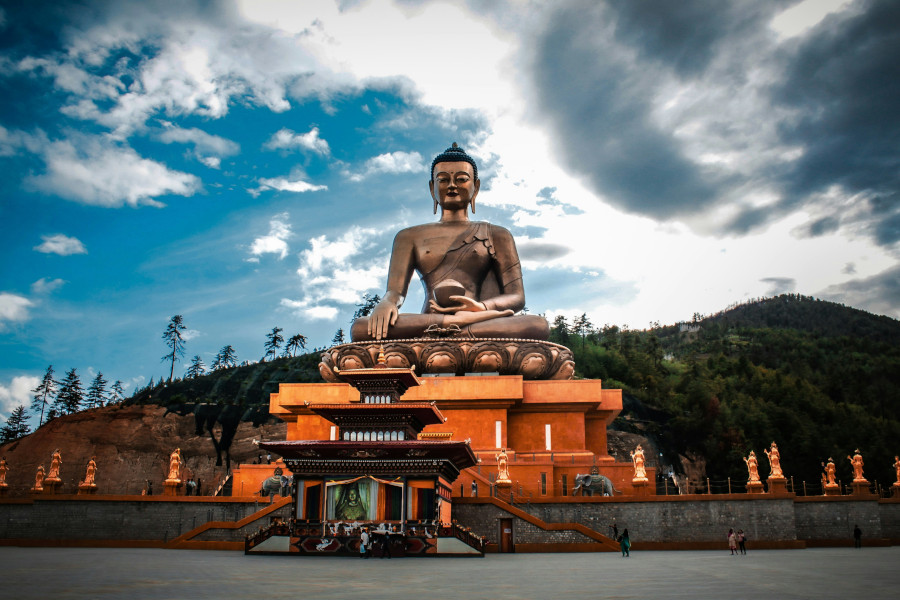
Perched high above the city, the colossal Buddha Dordenma statue radiates serenity over the valley. Standing 51.5 meters tall, it is one of the largest Buddha statues in the world, housing 125,000 smaller bronze Buddhas inside its body — each one symbolizing a path to enlightenment.
The site is perfect for quiet reflection or photography, with the surrounding Kuenselphodrang Park offering gentle walking trails. Visit at sunrise when the valley awakens beneath a soft mist, or at dusk when golden light bathes the Buddha’s face. Ideal for spiritual travelers, photographers, and anyone seeking tranquility with a view.
3. Simtokha Dzong – The Oldest Fortress of Bhutan
Location: 5 km south of Thimphu, on the Paro road
Google Rating: 4.5/5
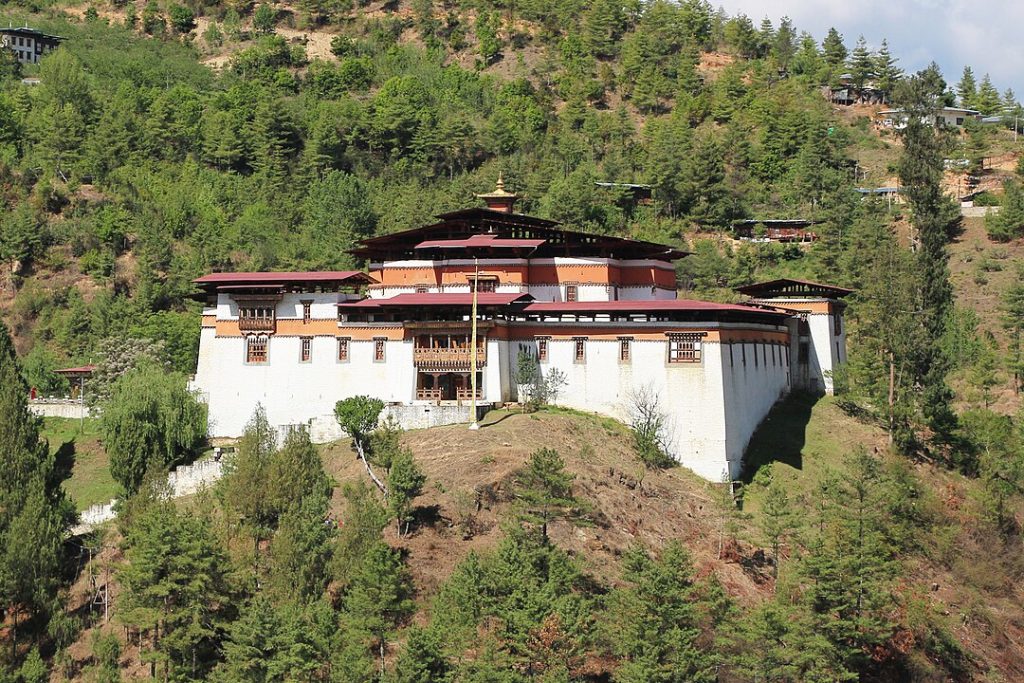
Built in 1629 by Zhabdrung Ngawang Namgyal, the unifier of Bhutan, Simtokha Dzong is the oldest surviving fortress in the country. Its thick stone walls protect a treasure trove of murals depicting Buddhist teachings and deities, while chants from young monks echo through its dim corridors.
Today, the dzong serves as a monastic and linguistic school, preserving classical Dzongkha and spiritual teachings. It’s a must-visit for history lovers and architecture enthusiasts curious about the early evolution of Bhutan’s distinctive fortress design.
4. Motithang Takin Preserve – Home of Bhutan’s National Animal

Location: Above Motithang district
Google Rating: 3.9/5
The takin, Bhutan’s national animal, looks like a creature from legend — part goat, part cow. The Motithang Preserve was once a zoo, but after the Fourth King declared it unethical to confine animals, it was transformed into a protected forest sanctuary.
A peaceful walk among the pines brings visitors close to these gentle herbivores and other wildlife. Families, photographers, and animal lovers will enjoy this glimpse into Bhutan’s commitment to conservation. Combine it with a drive to the nearby BBS Tower viewpoint for sweeping views of Thimphu.
5. Changangkha Lhakhang – The Guardian Temple
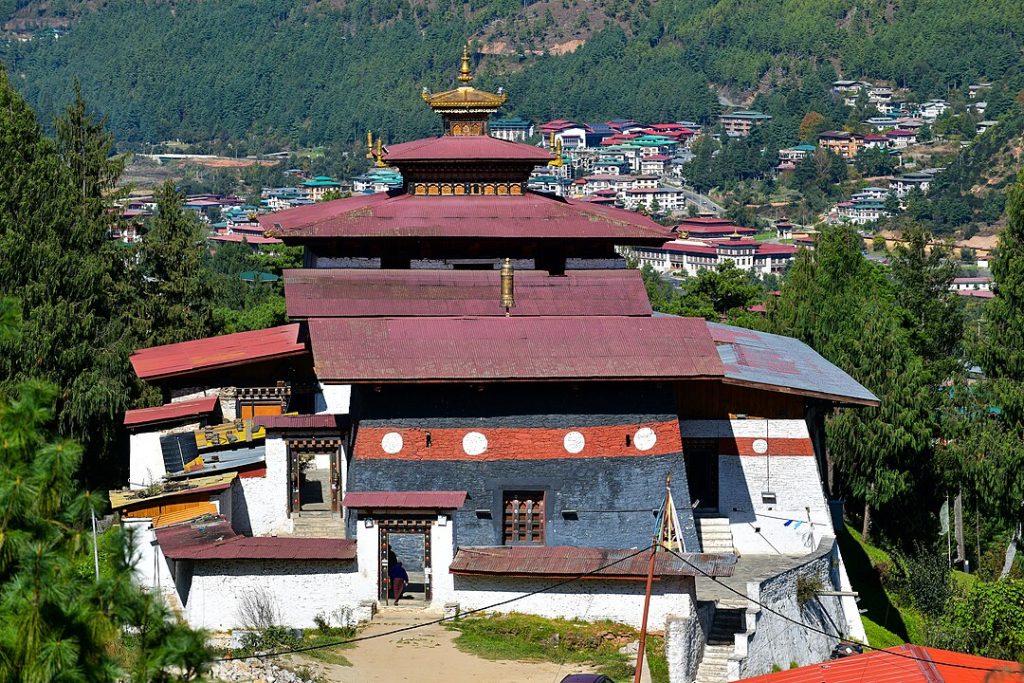
Location: Changangkha, overlooking central Thimphu
Google Rating: 4.5/5
Perched on a ridge above the city, this 12th-century temple is one of Thimphu’s oldest and most revered sites. Parents bring their newborns here to receive names and blessings from local lamas, continuing a tradition that spans generations.
The temple’s prayer wheels, fluttering flags, and commanding views of the valley make it an inspiring stop for anyone interested in Bhutanese faith and family customs. Visit in the early morning for a serene atmosphere and to witness locals performing their daily rituals.
6. National Memorial Chorten – The Heart of Spiritual Life
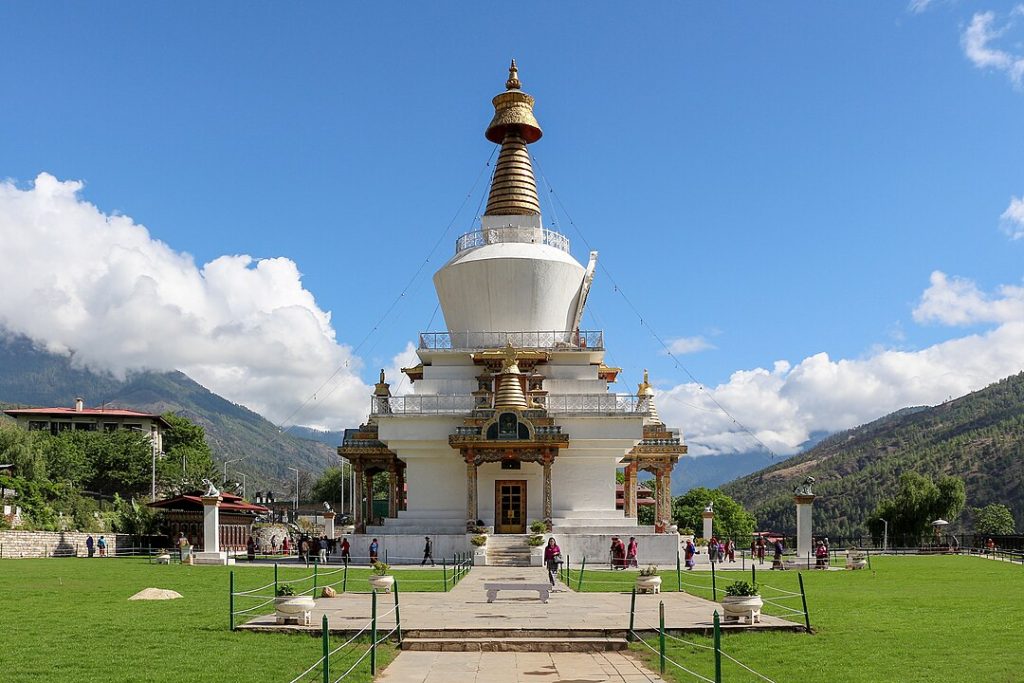
Location: Doeboom Lam, City Center
Google Rating: 4.5/5
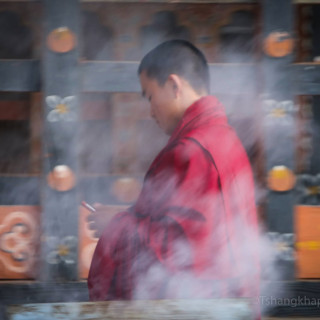
The National Memorial Chorten, built in 1974 in memory of King Jigme Dorji Wangchuck, is a sacred gathering point for Thimphu’s residents. From dawn to dusk, people of all ages circle the white stupa, spinning prayer wheels and whispering mantras.
For visitors, this site offers a deeply moving look at everyday Bhutanese spirituality — a place where faith feels alive. Join locals in a quiet circumambulation, or simply sit and watch the harmony of devotion unfold around you.
Local Life, Arts & Crafts
7. Royal Textile Academy & National Textile Museum
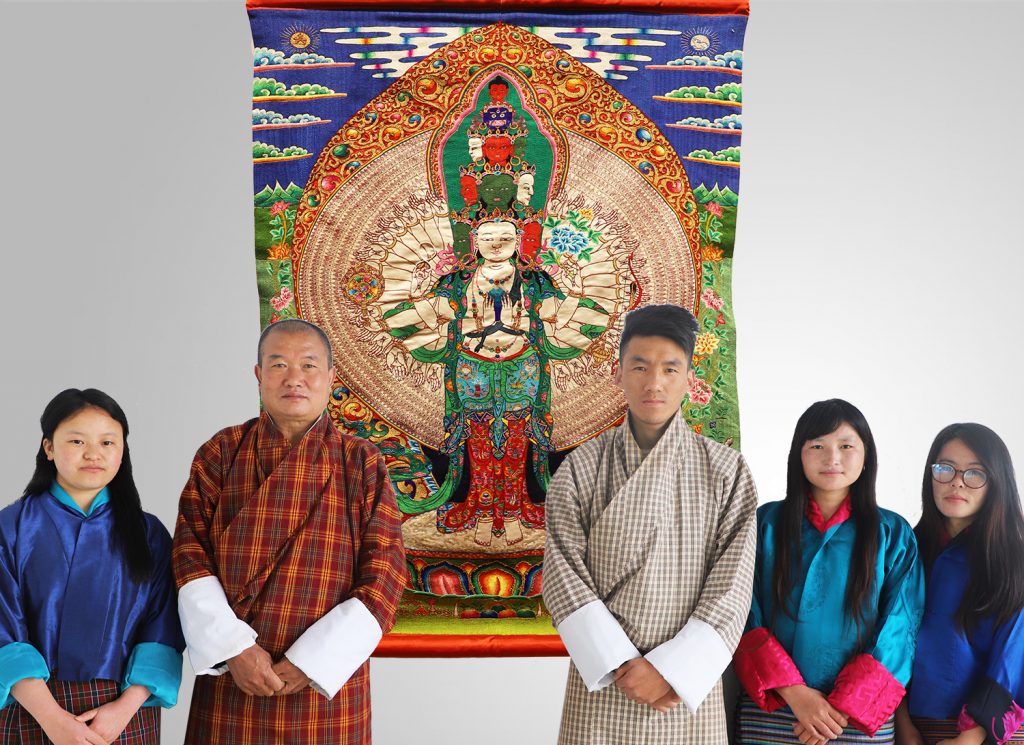
Location: Norzin Lam, near Taj Tashi Hotel
Google Rating: 4.3/5
Bhutan’s textile tradition is among the most refined in the Himalayas, and this museum showcases it in all its glory. Exhibits include royal garments, regional weaving styles, and intricate dyeing techniques.
Visitors can watch artisans at work on traditional looms and even purchase handmade scarves, belts, and wallets in the museum shop. Ideal for art lovers and design enthusiasts, it reveals how Bhutanese identity is woven — quite literally — into fabric.
8. National Folk Heritage Museum
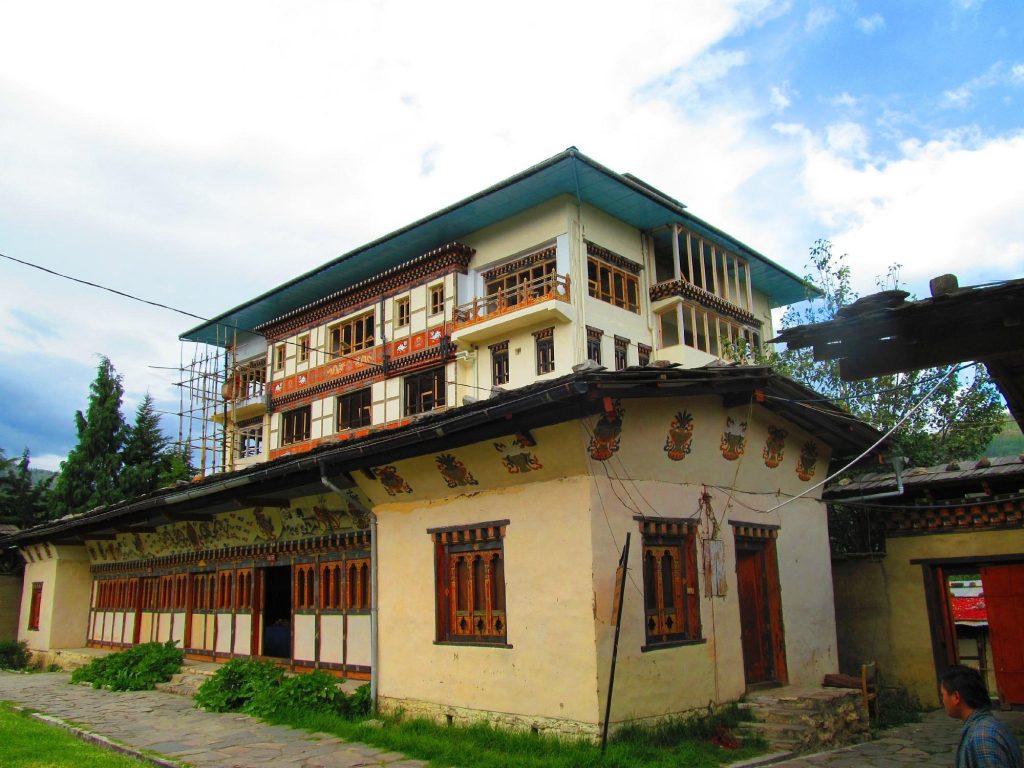
Location: Pedzoe Lam, Kawajangsa
Google Rating: 4.2/5
This museum, set in a restored 19th-century farmhouse, offers a vivid picture of rural Bhutanese life. Each room re-creates domestic scenes with tools, furniture, and kitchenware used for centuries. The adjacent restaurant serves traditional dishes such as Ema Datshi (chili and cheese stew) and buckwheat pancakes, providing a delicious cultural immersion.
Perfect for families, foodies, and cultural travelers, it’s one of the best places to understand how Bhutan’s simplicity and self-sufficiency shape its way of life. The visit helps put the capital’s modern development into context by showing how recent generations of Bhutanese families lived in rural homes.
9. Simply Bhutan – A Living Cultural Museum
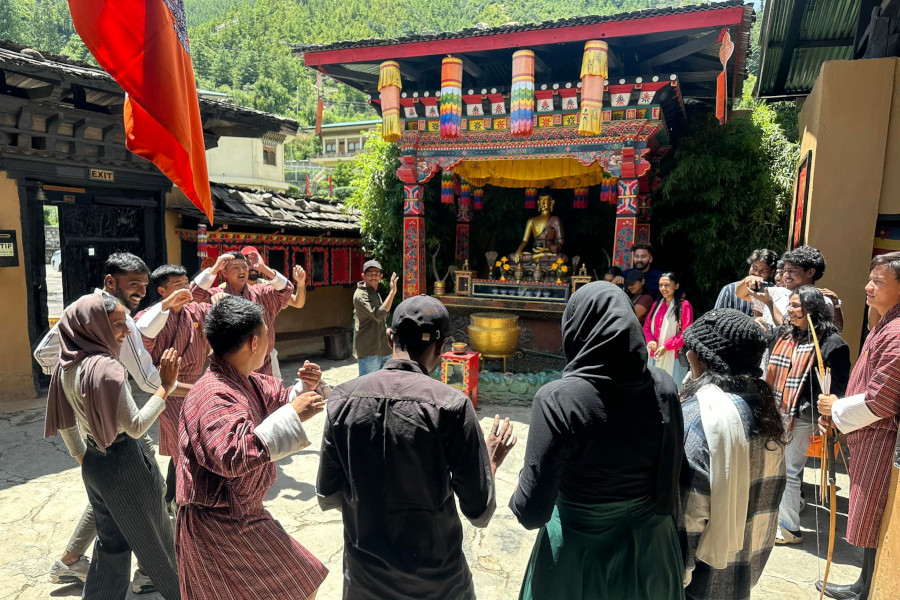
Location: Changzamtog area
Google Rating: 4.4/5
More than a museum, Simply Bhutan is an interactive village experience where visitors can shoot arrows, churn butter, sip butter tea, and try on traditional gho and kira attire. Performances, songs, and storytelling bring Bhutan’s folklore to life.
It’s an engaging stop for both adults and children, offering a fun introduction to Bhutanese customs and hospitality. Don’t leave without a photo of yourself in national dress — a charming souvenir of your time in Thimphu.
10. Norzin Lam & Weekend Market – Local Life and Handicrafts
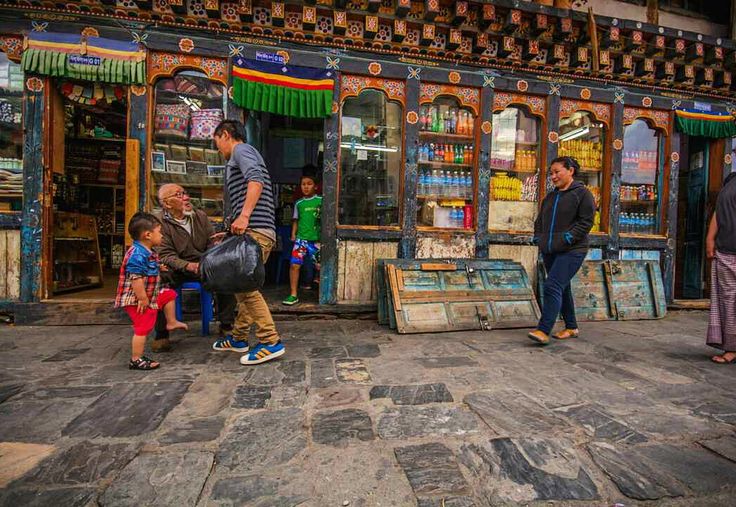
Location: Downtown Thimphu, near Clock Tower Square
TripAdvisor Rating: 4.0/5
Norzin Lam is Thimphu’s main artery, buzzing with cafés, boutiques, and handicraft shops selling handwoven textiles, prayer flags, and yak wool products. On weekends, the nearby market turns into a vibrant social hub where farmers sell organic vegetables, herbs, and traditional snacks.
Travelers who love local life, photography, and shopping will find endless inspiration here. Stay for sunset at Clock Tower Square, where street performers and musicians often entertain the crowd.
Outdoor & Alternative Things to Do
11. Changlimithang Archery Ground – Watch the National Sport
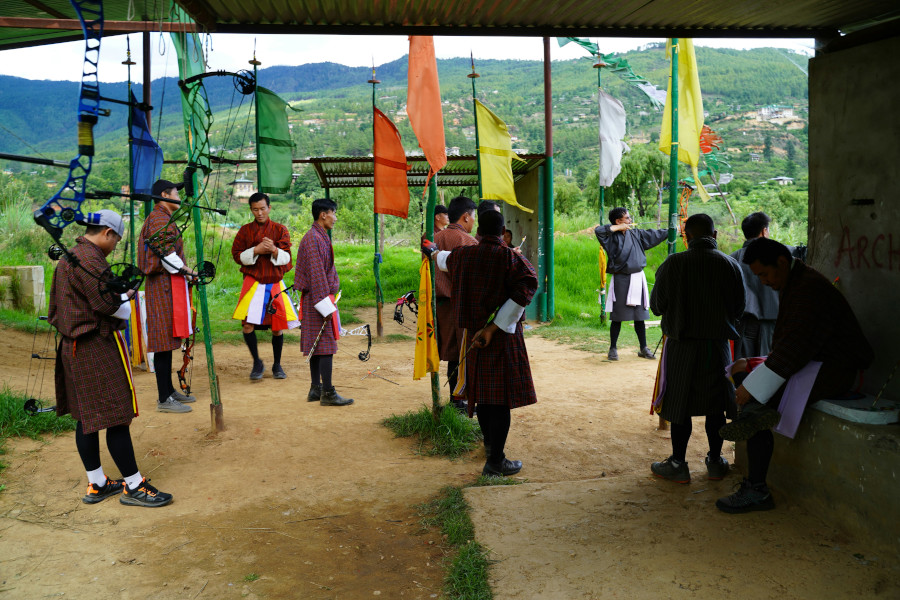
Location: Changlimithang Stadium complex
Google Rating: 4.5/5
Archery is Bhutan’s national sport, but it’s also a community ritual blending athleticism, poetry, and humor. Matches take place daily at Changlimithang, and visitors are always welcome.
Watching archers shoot at targets over 140 meters away — while their teammates sing and tease opponents — is a joyful experience for culture seekers and sports fans alike. It’s a vivid reminder that Bhutan’s happiest moments often happen outdoors.
12. Kuenselphodrang Nature Park & Hiking Trails
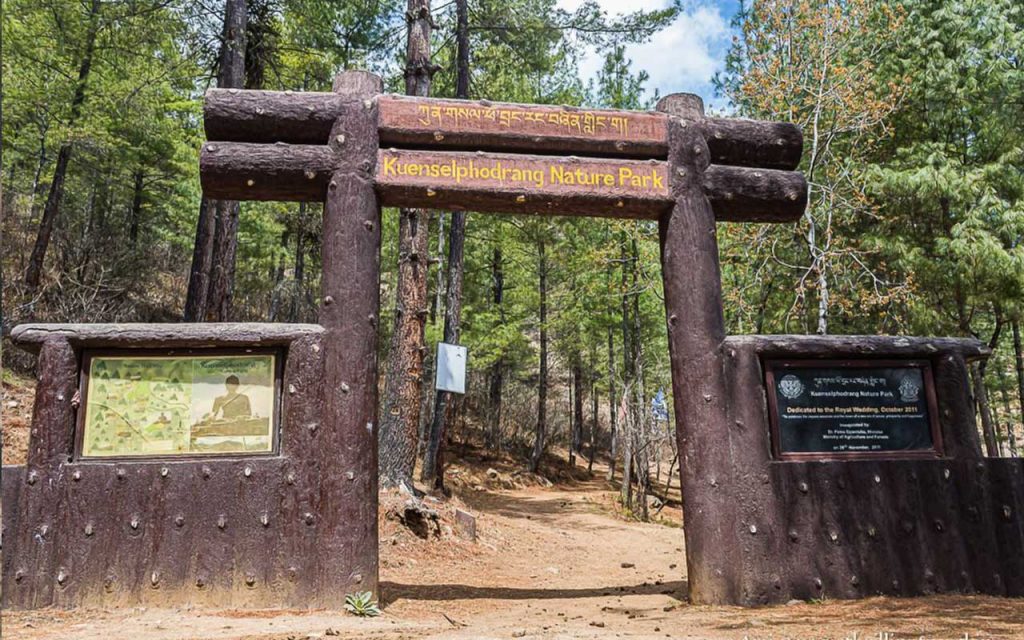
Location: Surrounding the Buddha Dordenma
Google Rating: 4.7/5
This nature park encircling the Buddha Dordenma offers forested trails ideal for short treks or picnics. The scent of pine fills the air, and benches along the way invite visitors to pause and admire sweeping views of the valley.
Perfect for families, casual hikers, and photographers, it’s a gentle introduction to Bhutan’s pristine landscapes without leaving the capital.
13. Zilukha Nunnery – A Peaceful Escape
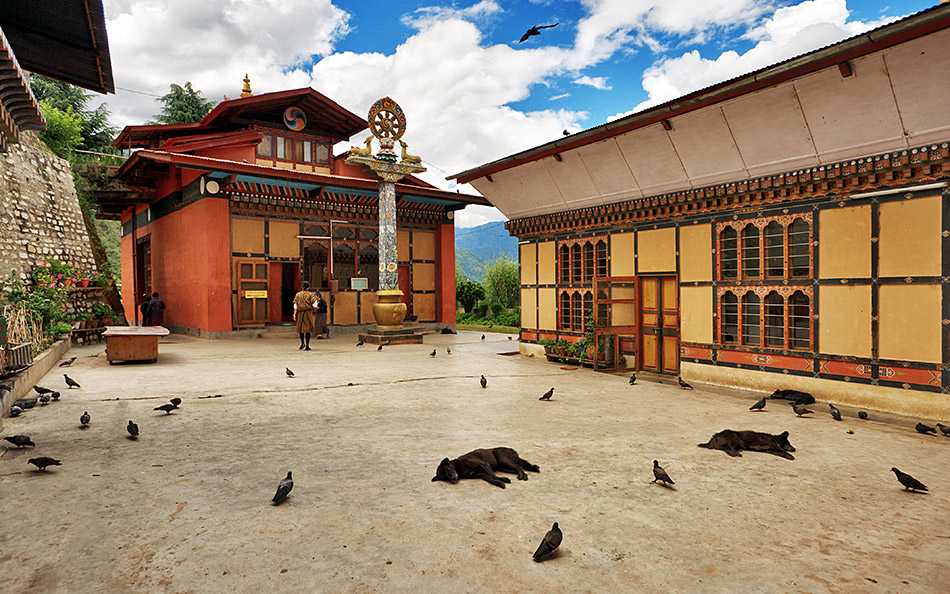
Location: Gaden Lam, near Tashichho Dzong
Google Rating: 4.2/5
Also known as Thangthong Dewachen Nunnery, this small convent overlooks Thimphu and offers one of the most tranquil experiences in the city. Visitors can listen to the nuns’ melodic chanting or simply enjoy the views of the dzong framed by prayer flags.
It’s an ideal stop for travelers seeking reflection and peace — a quiet contrast to the bustle of downtown.
14. Bhutan Postal Museum & GPO
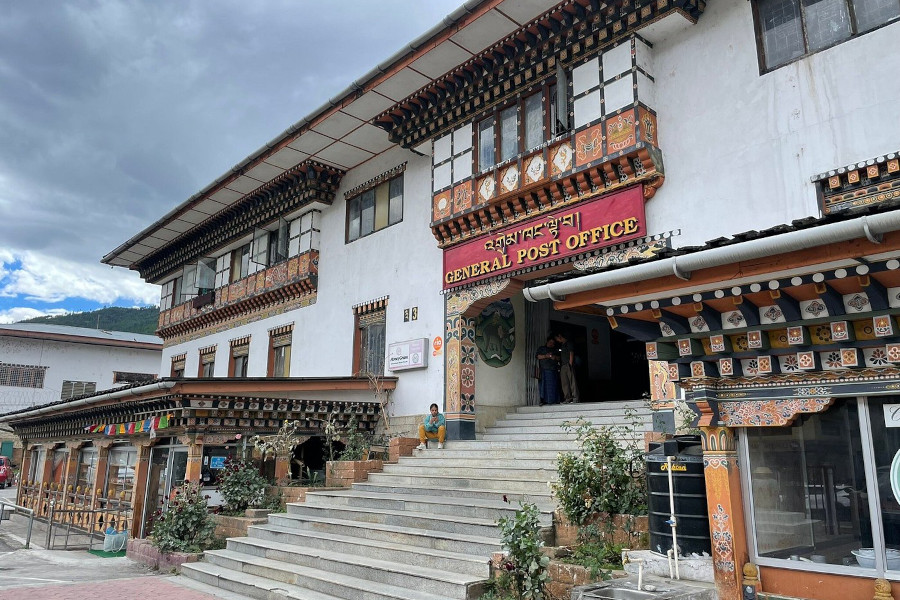
Location: Below Norzin Lam Post Office
Google Rating: 4.4/5
The Bhutan Postal Museum is both nostalgic and playful, tracing the country’s postal history from the earliest hand-carried messages to the world’s first personalized stamps. Visitors can print a stamp featuring their own portrait — a delightful keepsake and great activity for families.
15. Centenary & Coronation Park
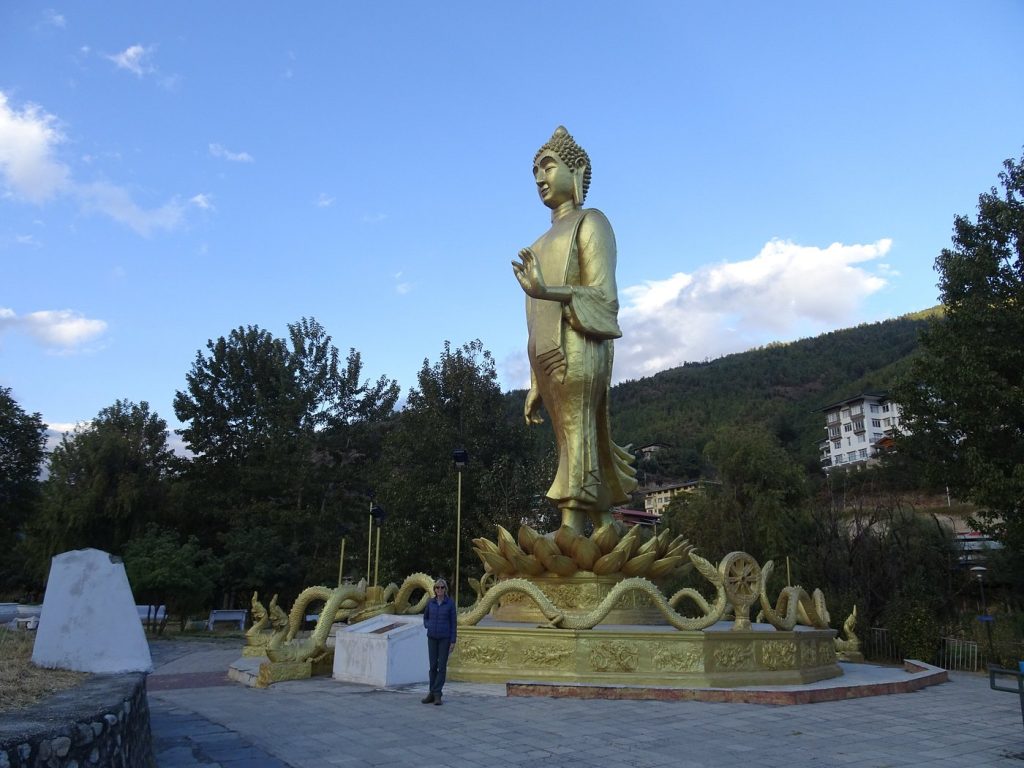
Location: By the Wang Chhu river, city center
Google Rating: 4.3/5
This parks stretch along the river, offering shaded walking paths, flower gardens, and sculptures beneath the gaze of a golden Buddha. Locals come here for picnics and evening strolls, and visitors will appreciate the relaxed atmosphere after a day of sightseeing.
Photographers, couples, and anyone seeking a peaceful moment will find it one of the most charming spots in Thimphu. It works well as a low-effort stop for travelers who want a break from museums and religious sites while staying close to central Thimphu.
16. Join a Meditation Retreat at Dechen Phodrang or Talakha Goemba
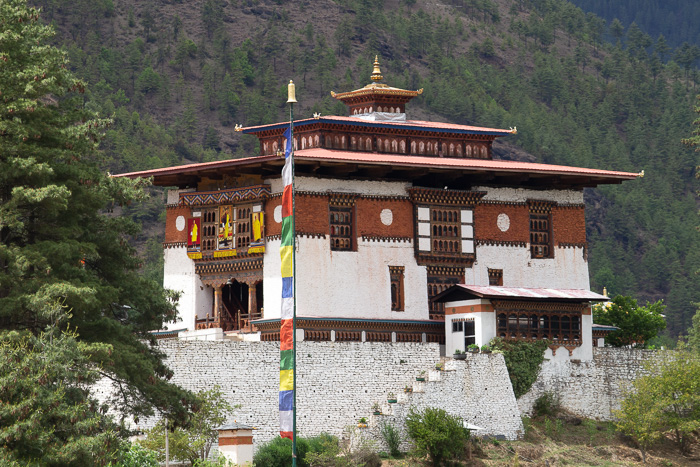
Location: Hills above Thimphu
Google Rating: 4.6/5
For travelers seeking peace rather than sightseeing, spending time in a monastery can be life-changing. At Dechen Phodrang or Talakha Goemba, visitors can join short meditation retreats, guided by monks who share the fundamentals of mindfulness, chanting, and compassion. Surrounded by forested hills and prayer wheels, daily life slows to the rhythm of temple bells.
A retreat here suits spiritual travelers, solo adventurers, or anyone needing quiet reflection. It’s a rare chance to connect deeply with Bhutanese Buddhist practice — not as a spectator, but as a participant. These experiences are best approached with patience and respect for the religious setting, especially when a retreat or prayer session is underway.
17. Tea and Momo Tasting Tour along Norzin Lam

Location: Norzin Lam, Thimphu City Center
TripAdvisor Rating: 4.0/5
Norzin Lam, the capital’s lively main street, is a paradise for food lovers. Cafés and teahouses line the road, serving steaming butter tea, sweet milk tea, and plates of freshly made momos — the beloved Bhutanese dumplings filled with cheese, vegetables, or meat. A tasting tour here lets you hop between cozy spots, meet friendly locals, and experience daily Bhutanese life up close.
This experience is a must for foodies and curious travelers eager to taste authentic flavors in an informal, local atmosphere. Pair your momos with suja (butter tea) for a real taste of the Himalayas. Trying several versions of momos is also an easy way to discover how familiar Bhutanese ingredients and flavors vary from one local kitchen to another.
18. Hike to Tango & Cheri Goemba Monasteries
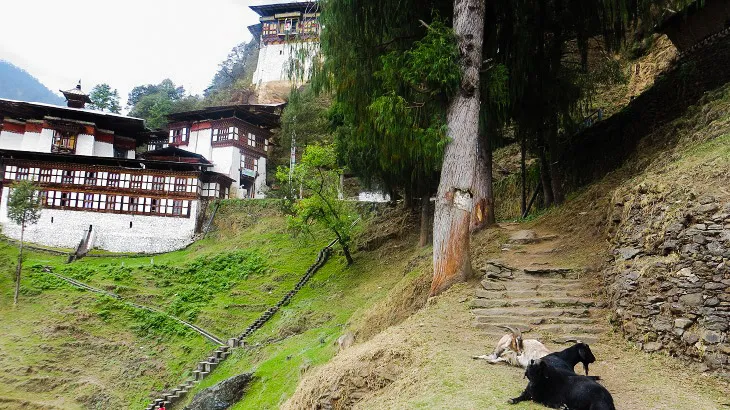
Location: North of Thimphu Valley
Google Rating: 4.7/5
This scenic half-day hike winds through fragrant pine and rhododendron forests, crossing wooden bridges and offering sweeping views of the Thimphu Valley. The trail leads to two sacred sites: Tango Goemba, an active monastic university, and Cheri Goemba, founded in the 17th century and surrounded by fluttering prayer flags. Monks’ chants echo across the mountains, adding a meditative rhythm to the climb.
It’s an ideal experience for nature lovers, photographers, and travelers seeking spiritual calm. The hike is moderate in difficulty — accessible for most visitors with comfortable walking shoes — and offers a chance to witness Bhutan’s balance between pristine nature and living Buddhist tradition. Set aside most of a day if you want to enjoy the route without rushing, particularly if you plan to spend time at the monasteries.
19. Visit the Voluntary Artists Studio Thimphu (VAST)
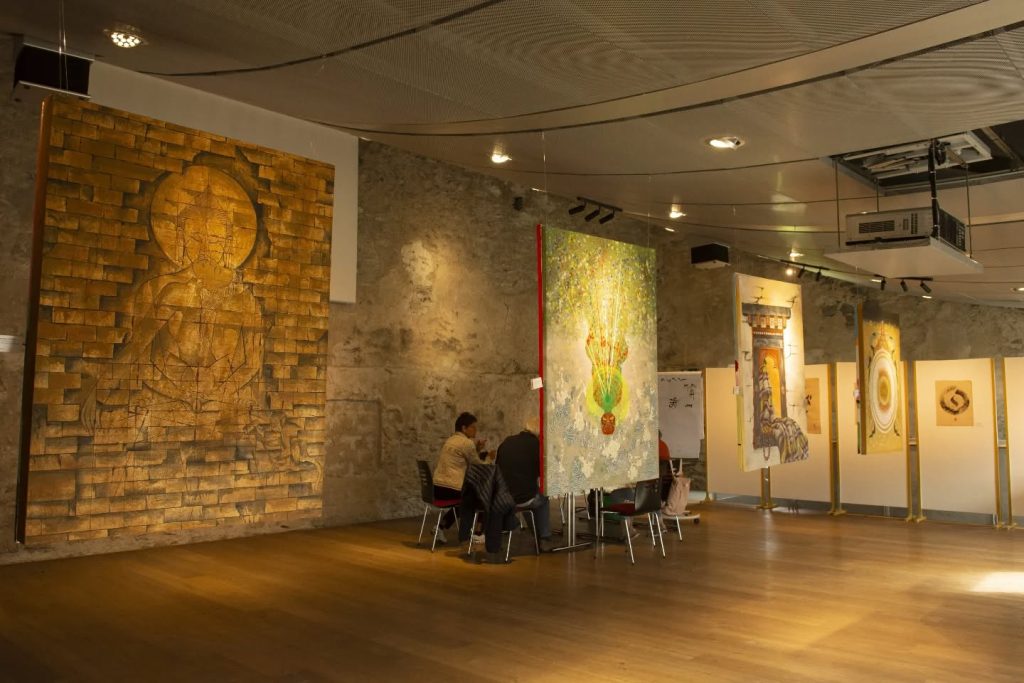
Location: Near Clock Tower Square
Google Rating: 4.8/5
VAST Bhutan is the beating heart of the country’s contemporary art scene. Founded in the late 1990s, the studio and gallery space host exhibitions, workshops, and community projects supporting emerging Bhutanese artists. Visitors can browse modern paintings, sculptures, and mixed-media works that blend Buddhist symbolism with modern themes.
Perfect for art lovers, collectors, and culturally curious travelers, VAST offers a refreshing contrast to Thimphu’s monasteries and museums. Don’t hesitate to chat with the resident artists — they’re often eager to share insights into their creative process and Bhutan’s evolving identity. It is a useful stop for understanding how younger Bhutanese artists interpret traditional imagery while experimenting with contemporary subjects and media.
20. Tour the National Institute of Traditional Medicine
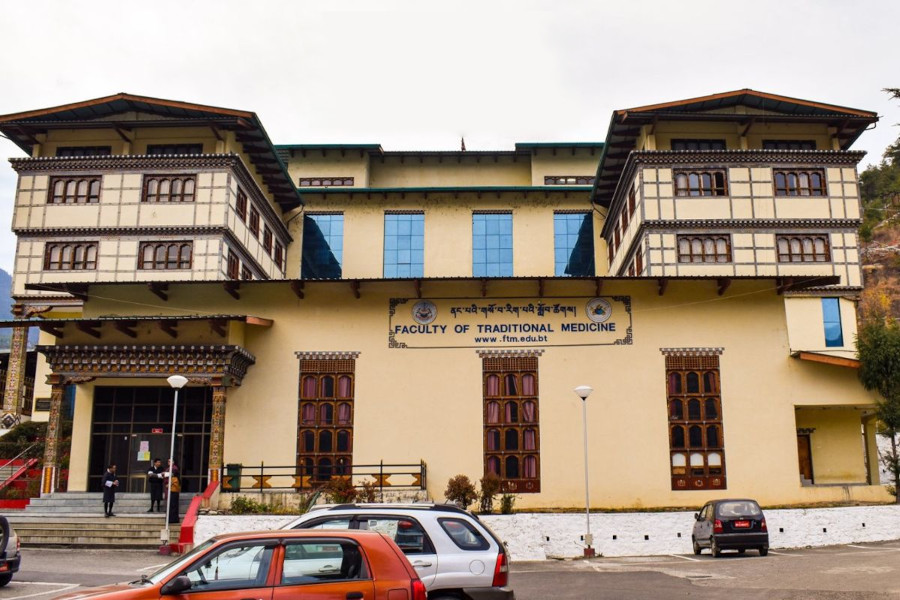
Location: Langjophakha, Thimphu
Google Rating: 4.6/5
At this renowned institute, ancient Himalayan knowledge meets modern science. The center collects medicinal plants from Bhutan’s high-altitude valleys and transforms them into herbal remedies still used nationwide. Visitors can tour the small museum to see roots, powders, and elixirs crafted according to centuries-old formulas, and learn how traditional doctors are trained.
It’s a fascinating stop for wellness enthusiasts, herbalists, and anyone intrigued by holistic health. The experience reveals how Bhutan’s approach to medicine reflects its broader philosophy of harmony between body, mind, and environment. The visit adds another dimension to Thimphu’s cultural attractions by showing how traditional knowledge continues to be documented and practiced.
Things to Do in Thimphu at Night
Thimphu is quieter than most Asian capitals after dark, but that does not mean there is nothing to do. For travelers interested in local music and the city’s contemporary social scene, an evening out can offer a different perspective on the capital.
21. Nightlife at Mojo Park or Viva City
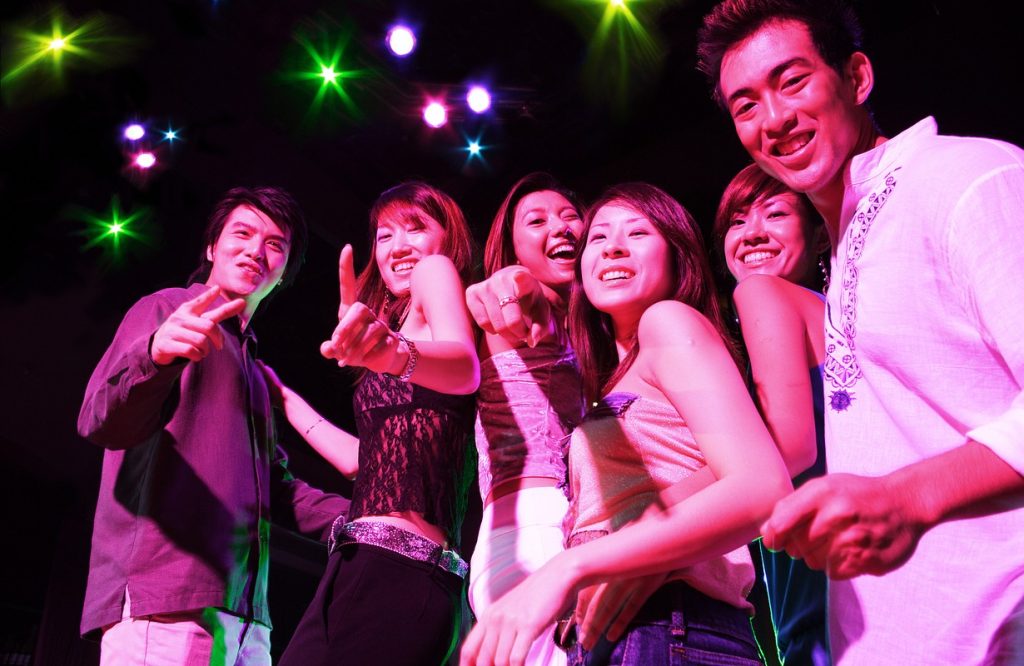
Location: Changlam Plaza area
Google Rating: 4.5/5
When the sun dips behind the mountains, Thimphu’s nightlife wakes up. Mojo Park, a beloved local bar, hosts live rock and jazz bands almost every night, while Viva City draws a younger crowd with dance music and craft beers. Both venues mix locals and visitors in a laid-back, welcoming atmosphere that’s far from the typical tourist bar scene.
Ideal for sociable travelers and music lovers, these spots show a modern, creative side of Bhutan often missed by daytime explorers. After a day of temple visits, it’s the perfect way to unwind and connect with the city’s vibrant youth culture.
How Many Days Do You Need in Thimphu?
One day: Focus on the central sights such as Tashichho Dzong, the National Memorial Chorten, Buddha Dordenma, the textile and folk museums, and a walk through the main market area.
Two days: This is a comfortable minimum for a first visit. You can combine the major cultural landmarks with local markets, crafts, archery, food, and one outdoor experience.
Three days or more: Add a monastery hike, meditation experience, traditional arts workshop, or a longer excursion into the hills around the Thimphu Valley.
A 2-Day Thimphu Itinerary
Day 1 – Culture and local life: Start at the National Memorial Chorten, continue to Tashichho Dzong and Buddha Dordenma, then explore the textile or folk heritage museums. Finish with Norzin Lam, the weekend market if open, and a Bhutanese meal.
Day 2 – Arts, nature and experiences: Visit Simply Bhutan, the Postal Museum, and a traditional arts or weaving centre before choosing an outdoor experience such as Kuenselphodrang, the Tango–Cheri hike, or another nearby monastery. End the day with local food or Thimphu’s quieter evening scene.
Best Time to Visit Thimphu
Spring (March–May) brings mild conditions, flowering plants, and generally pleasant days for sightseeing and short hikes. It is a particularly good period for combining the city’s cultural attractions with time outdoors.
Summer and monsoon (June–August) are wetter, especially during periods of heavier rainfall. The landscape becomes lush, but rain can affect hiking plans and reduce mountain visibility.
Autumn (September–November) is one of the most popular periods for visiting Thimphu, with generally clearer skies, comfortable daytime temperatures, and major cultural events such as the Thimphu Tshechu depending on the Bhutanese calendar.
Winter (December–February) is colder, particularly in the mornings and evenings, but often brings crisp conditions and fewer visitors. Pack warm layers if you plan to spend time outdoors or at higher viewpoints.
How to Get to Thimphu
Most international visitors arrive in Bhutan through Paro International Airport and continue overland to Thimphu. The drive between Paro and Thimphu usually takes around 1.5 hours, depending on traffic, road conditions, and stops along the way. Travelers arriving from Punakha, Wangdue Phodrang, or other western and central valleys generally continue by road.
Because Thimphu is a central base for many western Bhutan itineraries, it is easy to combine the city with Paro, Punakha, Dochula, and nearby monasteries. For a first trip, allow enough time to explore the capital rather than treating it as only a stop between destinations.
Frequently Asked Questions About Thimphu
What is Thimphu famous for?
Thimphu is best known as Bhutan’s capital and for its combination of Buddhist heritage, government institutions, traditional architecture, markets, handicrafts, museums, and mountain scenery. Major sights include Tashichho Dzong, Buddha Dordenma, the National Memorial Chorten, and the city’s many monasteries and cultural institutions.
What are the best things to do in Thimphu?
The best things to do in Thimphu include visiting Tashichho Dzong and Buddha Dordenma, exploring museums and textile traditions, walking through local markets, watching archery, visiting monasteries, trying Bhutanese food, and taking a hike into the surrounding hills.
What are the best places to visit in Thimphu?
For a first visit, prioritize Tashichho Dzong, Buddha Dordenma, the National Memorial Chorten, Changangkha Lhakhang, the textile and folk heritage museums, and at least one local market or cultural experience. If you have more time, add a monastery hike or another outdoor excursion.
Is Thimphu worth visiting?
Yes. Thimphu offers a different side of Bhutan from the famous mountain landscapes and monasteries outside the capital. It is where government, religion, traditional crafts, food, contemporary art, and everyday urban life come together.
How many days should I spend in Thimphu?
Two days is a good starting point for most first-time visitors. One day covers the main central sights, while three or more days allow time for hikes, workshops, monasteries, food experiences, and slower exploration of the valley.
What can you do in Thimphu at night?
Thimphu has a quieter nightlife than larger Asian capitals, but visitors can enjoy local restaurants and cafés, live music, and a handful of bars and clubs. Evening walks around the city centre can also be pleasant when the streets are quieter.
Is Thimphu good for families with children?
Yes. Families can choose from relatively accessible experiences such as the Takin Preserve, Postal Museum, Simply Bhutan, markets, parks, archery, and short walks. Longer hikes and monastery visits can be adapted according to the children’s age and interests.
What is the best time to visit Thimphu?
Spring and autumn are generally the easiest seasons for combining sightseeing with outdoor activities. Summer is wetter, while winter is colder but can offer crisp skies and fewer visitors.
How high is Thimphu?
Thimphu sits at approximately 2,334 metres (7,657 feet) above sea level. Visitors arriving from much lower elevations may notice the altitude, so it is sensible to take the first day at a comfortable pace and stay hydrated.
Plan Your Thimphu Journey With Across Bhutan
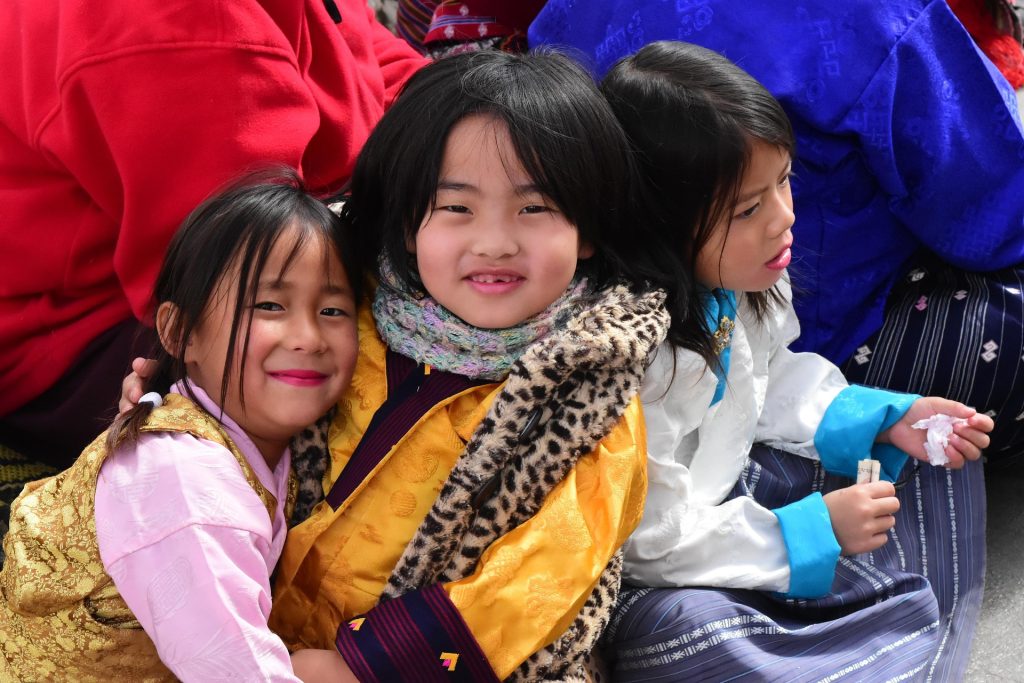
Thimphu is much more rewarding when you have time to go beyond the standard sightseeing checklist. Whether you want to explore Bhutanese Buddhism, discover traditional crafts, hike through the hills, taste local food, or experience the capital’s contemporary side, Across Bhutan can build a private itinerary around the way you want to travel.
Contact Across Bhutan to plan your Thimphu experience.
Final Thoughts: Why Thimphu Should Be on Your Travel List
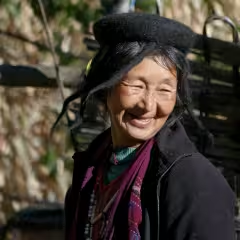
Thimphu is more than a capital — it’s a living expression of Bhutan’s philosophy of Gross National Happiness. Here, every encounter feels personal: a monk sharing a smile, a shopkeeper explaining his craft, a student offering directions. The city invites travelers not to rush from one site to another but to breathe, observe, and connect.
Whether you’re drawn by its history, spirituality, nature, or gentle pace of life, Thimphu rewards curiosity with serenity. It’s a place where modernization bows gracefully to tradition — and where visitors often leave feeling changed, not by what they’ve seen, but by the peace they’ve found.