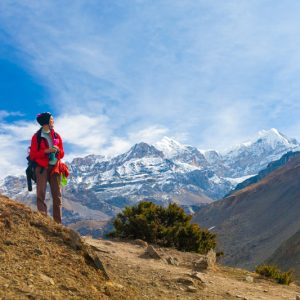
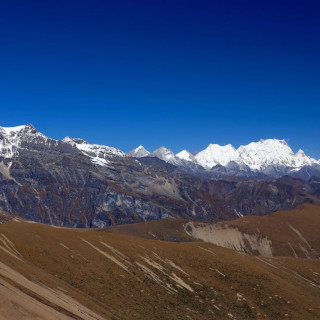
At Across Bhutan travel agency, we understand that trekking in Bhutan is more than just a physical feat; it is a pilgrimage into the heart of the Himalayas.
Bhutan’s mountains are not merely rocks and ice—they are the sacred residences of deities, preserved by a culture that values spiritual sanctity over summit trophies.
To help you find your path, we have curated this guide to the Kingdom’s most significant peaks and passes, ranked from the most accessible gateways to the most grueling expeditions on Earth.
Bhutan Mountains & Trekking Overview
| Mountain / Region | Elevation | Trek Difficulty | Typical Duration | Best For | Highlights |
|---|---|---|---|---|---|
| Pele La Pass | 3,350 m | Easy | Half day – 1 day | Families, road trips, photographers | Scenic mountain pass, prayer flags, Himalayan panoramas |
| Ura La Pass | 3,600 m | Easy | Half day – 1 day | Culture lovers, casual hikers | Gateway to Bumthang, traditional villages, beautiful viewpoints |
| Black Mountains | Up to 4,575 m | Moderate | 3–5 days | Wildlife enthusiasts, birdwatchers | Rhododendron forests, black-necked cranes, remote trails |
| Druk Path Trek | Up to 4,890 m | Moderate | 5–6 days | First multi-day trekkers | Alpine lakes, mountain passes, camping |
| Jomolhari Trek | Base camp 4,080 m | Challenging | 8–10 days | Experienced trekkers | Bhutan’s iconic sacred mountain, yak herders, spectacular scenery |
| Laya-Gasa Trek | Up to 5,005 m | Challenging | 12–16 days | Adventure seekers | High-altitude villages, Himalayan wilderness, hot springs |
| Snowman Trek | Up to 5,470 m | Extreme | 24–30 days | Elite trekkers | One of the world’s hardest treks, Lunana region, untouched landscapes |
| Gangkhar Puensum | 7,570 m | Not climbable | Visible on remote treks | Mountain enthusiasts | Highest unclimbed mountain in the world, sacred peak |
Quick Recommendations
| If you’re looking for… | Best Choice |
|---|---|
| A scenic day trip | Pele La Pass or Ura La Pass |
| The best mountain photography | Jomolhari Trek |
| The most iconic Himalayan scenery | Jomolhari Trek |
| A first trekking experience in Bhutan | Druk Path Trek |
| Wildlife & birdwatching | Black Mountains or Jigme Dorji National Park |
| Luxury with mountain views | Punakha & Paro (glamping or lodge stays) |
| The ultimate Himalayan adventure | Snowman Trek |
| Seeing Bhutan’s highest mountain | Remote sections of the Snowman Trek (views of Gangkhar Puensum) |
Understanding Bhutan’s Mountain Ranges
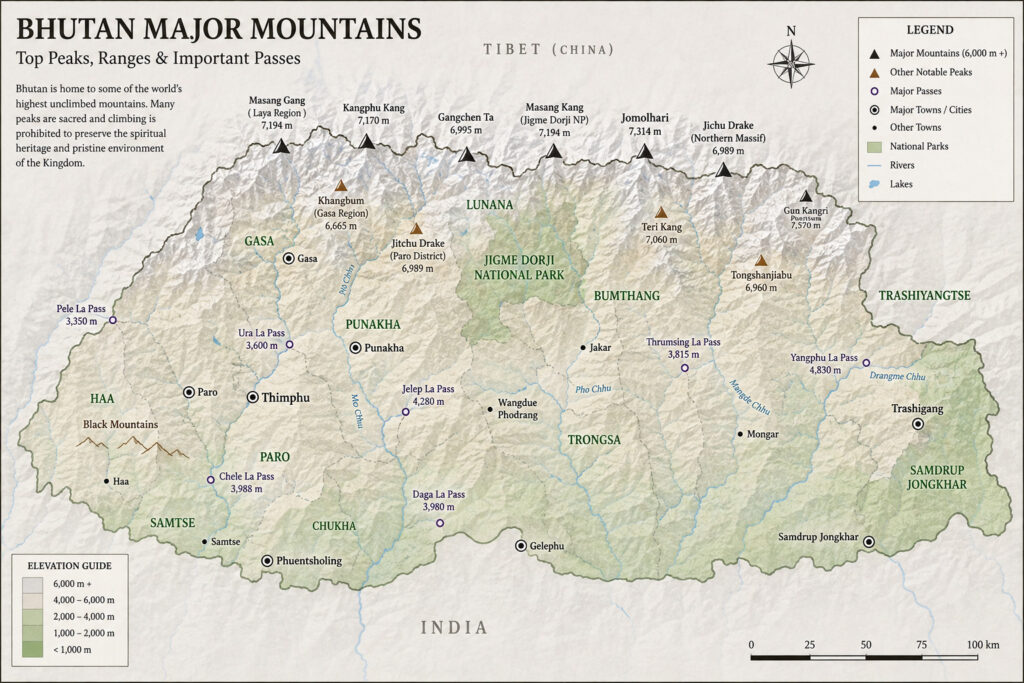
Although Bhutan is a relatively small country, its landscapes are remarkably diverse. From subtropical forests in the south to some of the highest peaks in the Himalayas, the kingdom’s terrain rises dramatically over a relatively short distance. These mountains shape Bhutan’s climate, wildlife, culture, and trekking opportunities, making them an essential part of the country’s identity.
The Great Himalaya
The Great Himalaya forms Bhutan’s northern frontier with Tibet (China) and is home to the country’s highest and most sacred mountains. This region includes legendary peaks such as Gangkhar Puensum (7,570 m)—the world’s highest unclimbed mountain—as well as Jomolhari, Liankang Kangri, Tongshanjiabu, and Teri Kang. Towering glaciers, snow-covered summits, and remote alpine valleys dominate the landscape, offering some of the most spectacular scenery in the Himalayas. Many of Bhutan’s most challenging treks, including the famous Snowman Trek, pass through this extraordinary mountain wilderness.
The Inner Himalaya
South of the highest Himalayan peaks lies the Inner Himalaya, a region of forested mountains, high passes, and glacial valleys that forms the heart of Bhutan’s trekking country. Elevations generally range between 3,000 and 5,000 meters, creating ideal conditions for iconic routes such as the Druk Path Trek, Jomolhari Trek, Dagala Thousand Lakes Trek, and Laya-Gasa Trek. This region combines dramatic mountain scenery with alpine lakes, yak pastures, rhododendron forests, and traditional highland villages, making it one of the most rewarding areas for outdoor enthusiasts.
The Black Mountains
Running through central Bhutan, the Black Mountains (locally known as the Black Mountain Range) form a natural divide between the western and eastern regions of the country. Unlike the glaciated peaks of the northern Himalayas, these mountains are covered in dense temperate forests, rich biodiversity, and spectacular displays of rhododendrons during spring. The region is home to numerous protected areas, including parts of Jigme Singye Wangchuck National Park, and offers excellent opportunities for hiking, birdwatching, wildlife observation, and cultural exploration in less-visited parts of Bhutan.
The Eastern Mountain Ranges
Bhutan’s eastern mountains are among the country’s least explored landscapes. Characterized by rugged ridges, deep valleys, and remote villages, this region remains largely untouched by mass tourism. Traditional communities such as the Brokpa continue to preserve centuries-old customs, while protected areas like Sakteng Wildlife Sanctuary shelter rare species including the red panda, Himalayan black bear, and numerous endemic birds. Although fewer trekking routes are available than in western Bhutan, the eastern ranges offer exceptional opportunities for travelers seeking authentic wilderness, cultural immersion, and off-the-beaten-path adventures.
Accessible Passes and Highlands

Best for: Culture-focused travelers, families, and those seeking “maximum view for minimum effort.” These locations are ideal for travelers who want to experience the grandeur of the Himalayas without the physical toll of a multi-day trek. If you are short on time or prefer the comfort of a hotel bed at the end of the day, these routes offer high-altitude vistas, vibrant local history, and a deep sense of the Bhutanese landscape through short, manageable walks.
Tiger’s Nest (Paro Taktsang) Hike
- Elevation: 3,120 m / 10,236 ft
- Difficulty: Moderate
- Recommended Duration: Half day (4–6 hours round trip)
No hiking experience in Bhutan is more iconic than the trail to Paro Taktsang, better known as the Tiger’s Nest Monastery. Perched dramatically on a sheer cliff approximately 900 meters (2,950 ft) above the Paro Valley, this sacred monastery is one of Bhutan’s most recognizable landmarks and an essential stop for almost every visitor.
The well-maintained trail winds steadily through fragrant pine forests decorated with colorful prayer flags before reaching breathtaking viewpoints overlooking the monastery. Along the way, hikers can stop at the famous Taktsang Cafeteria, which offers one of the finest panoramic views in Bhutan. The final section includes stone staircases descending to a waterfall before climbing back up to the monastery itself.
Although the hike is physically demanding due to the altitude and continuous ascent, it requires no technical climbing experience and is achievable for most travelers with a reasonable level of fitness. Reaching Tiger’s Nest is widely regarded as one of the most unforgettable experiences in Bhutan, combining spectacular Himalayan scenery with profound spiritual significance.
Pele La Pass
- Elevation: 3,350 m / 10,990 ft
- Difficulty: Easy
- Recommended Duration: 1 day
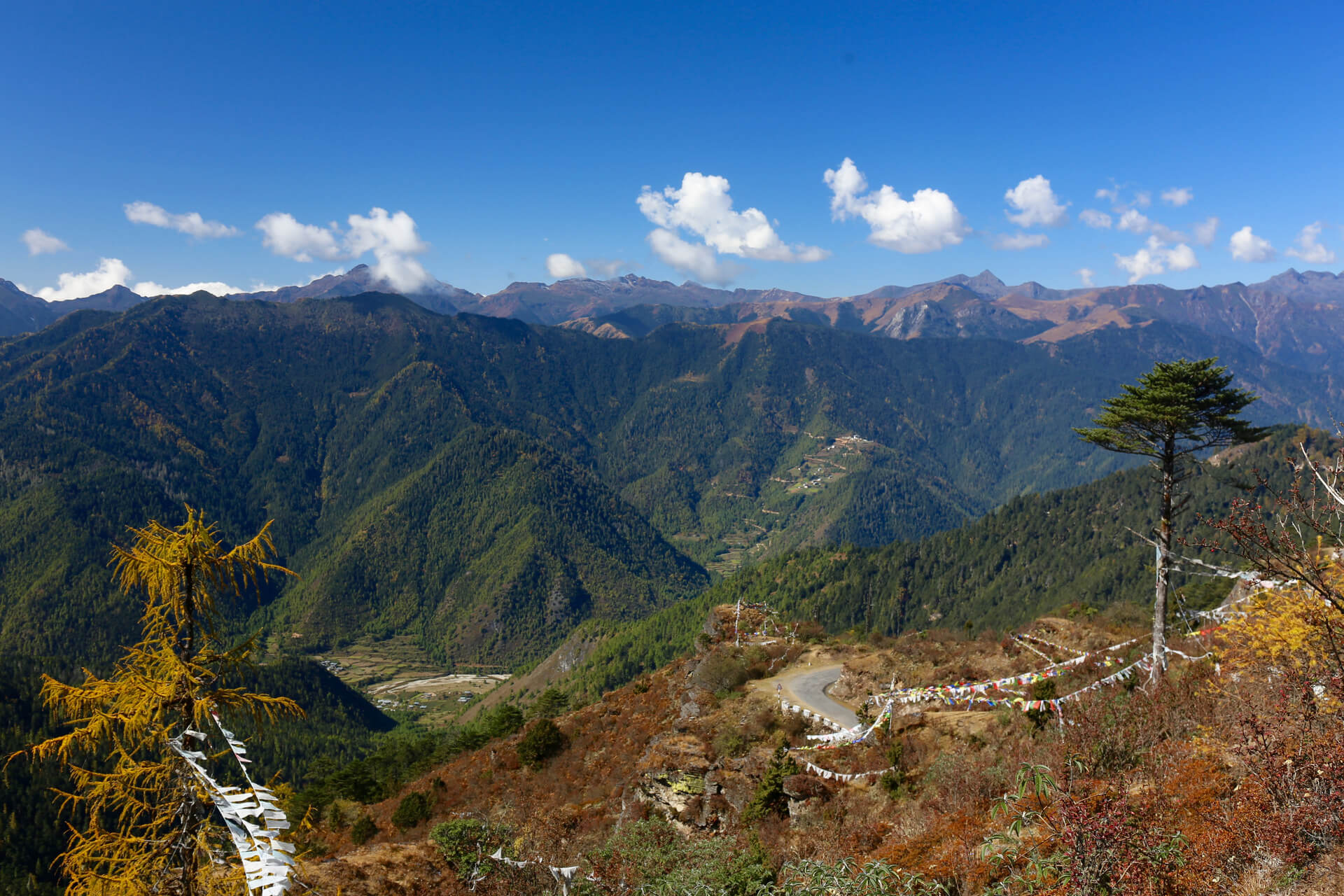
Located in the Black Mountains, Pele La serves as the traditional boundary between western and central Bhutan. The pass is a place of transition where the vegetation shifts from dense forest to high-altitude dwarf bamboo, often populated by grazing yaks. Travelers are treated to sweeping views of the high peaks, while the pass itself is marked by a classic white chorten and a sea of prayer flags that carry blessings on the wind.
Ura La Pass
- Elevation: 3,600 m / 11,800 ft
- Difficulty: Easy
- Recommended Duration: 1 day
Ura La is the gateway to one of Bhutan’s most beautiful and traditional valleys in Bumthang. The descent from the pass provides a spectacular view of the northern mountain wall, framed by the golden barley fields of the valley below. It is a favorite for those who want to experience the architectural beauty of a medieval village while enjoying the crisp, thin air of the highlands without the strain of a multi-day trek.
Black Mountains
- Elevation: Up to 4,575 m / 15,010 ft
- Difficulty: Moderate
- Recommended Duration: 3–5 days
The Black Mountains act as a natural divide between the cultural and linguistic regions of Bhutan. These peaks lack the permanent ice of the Great Himalayas but offer a complex, rugged landscape that is home to diverse flora and fauna. This range is the winter sanctuary for the rare Black-Necked Crane, and trekking here feels like walking through a private garden of rhododendrons and ancient pines, isolated from the modern world.
Mid-Altitude Ranges and Spiritual Peaks

Best for: Active hikers, photography enthusiasts, and travelers seeking a deep spiritual connection.
This category suits those who enjoy regular hiking and are looking for a blend of natural beauty and cultural immersion. These routes take you further into the wilderness, often requiring several days of walking and camping. It is the perfect choice for hikers who want to escape the crowds and see Bhutan’s rare flora and fauna while maintaining a pace that allows for meditation and photography.
Dagala Thousand Lakes Trek
- Elevation: Up to 4,520 m / 14,830 ft
- Difficulty: Moderate
- Recommended Duration: 5–6 days
Known for its chain of crystal-clear alpine lakes, the Dagala Thousand Lakes Trek offers one of Bhutan’s most scenic hiking experiences. The trail crosses flower-filled meadows, peaceful yak pastures, and panoramic ridgelines with magnificent views of Jomolhari, Jitchu Drake, and the eastern Himalayas. It is particularly popular among photographers and hikers seeking spectacular mountain scenery without venturing into Bhutan’s most remote regions.
Tawang Range
- Elevation: Moderate heights
- Difficulty: Moderate
- Recommended Duration: 4–5 days
Extending along the eastern border, the Tawang Range is a biodiversity hotspot. It provides a softer landscape of rolling hills and dense greenery compared to the jagged north. The range is a haven for birdwatchers and those looking for unspoiled nature and a sense of serenity, offering a unique perspective on the cultural and geographical diversity of the eastern frontier.
Druk Path Trek
- Elevation: Up to 4,890 m / 16,043 ft
- Difficulty: Moderate
- Recommended Duration: 5–6 days
The Druk Path Trek is Bhutan’s most popular multi-day hike, linking the Paro and Thimphu valleys through alpine forests, crystal-clear lakes, and high mountain passes. Along the way, trekkers enjoy panoramic views of sacred Himalayan peaks such as Jomolhari and Jitchu Drake while camping beside pristine mountain lakes. Its moderate difficulty and spectacular scenery make it an ideal introduction to trekking in Bhutan.
Tsenda Gang
- Elevation: 6,100 m / 20,013 ft
- Difficulty: Moderate
- Recommended Duration: 6–8 days
Known as the “Great Eel Mountain” due to its elongated shape that stretches across the horizon, Tsenda Gang is a highlight of the Laya-Gasa region. The journey here is a masterclass in ecological diversity, moving from lush subtropical forests to high alpine meadows. Keep a sharp eye out for blue sheep and the elusive snow leopard, which are known to roam these pristine slopes.
Bumdrak Trek
- Elevation: 3,800 m / 12,467 ft
- Difficulty: Moderate
- Recommended Duration: 2 days
Often described as Bhutan’s most rewarding overnight hike, the Bumdrak Trek climbs above the Paro Valley to a peaceful campsite overlooking the famous Tiger’s Nest Monastery. Sunrise reveals breathtaking views of snow-capped Himalayan peaks while prayer flags flutter in the mountain breeze. The combination of dramatic scenery, cultural significance, and relatively short duration makes Bumdrak one of Bhutan’s finest hiking experiences.
Jowo Durshing
- Elevation: 6,300 m / 20,669 ft
- Difficulty: Moderate
- Recommended Duration: 4–6 days
Jowo Durshing is a peak of profound spiritual significance, with a trek that begins in the culturally rich Bumthang Valley. The journey is a blend of adventure and pilgrimage, passing ancient monasteries and traditional villages. Reaching the vicinity of this peak provides a profound connection to Bhutan’s spiritual heritage, with vistas that have inspired monks and travelers for centuries.
High Himalayan Expeditions

Best for: Seasoned trekkers, mountain lovers, and those with high-altitude experience.
These expeditions are designed for hikers who have a high level of physical fitness and a taste for true adventure. You will spend over a week in the mountains, crossing high passes and camping in thin air. This is the realm of the giants—where you stand at the base of the world’s highest unclimbed peaks. It is for those who understand that the reward of a breathtaking sunrise is worth the sweat of a steep ascent.
Laya-Gasa Trek
- Elevation: Up to 5,005 m / 16,421 ft
- Difficulty: Challenging
- Recommended Duration: 12–16 days
The Laya-Gasa Trek is one of Bhutan’s classic Himalayan adventures, crossing high mountain passes, remote yak-herding settlements, and pristine valleys within Jigme Dorji National Park. Trekkers experience spectacular views of some of Bhutan’s highest mountains while discovering the unique culture of the Layap people. The journey concludes near the famous Gasa Hot Springs, offering a well-earned opportunity to relax after days in the wilderness.
Khangbum (Gasa Region)
- Elevation: 6,500 m / 21,325 ft
- Difficulty: Challenging
- Recommended Duration: 15–18 days
Starting from the town of Gasa, known for its healing hot springs, the journey to Khangbum is a tranquil and immersive wilderness experience. The “White Peak” is surrounded by dense forests and clear glacial streams. It offers a sense of peace and isolation that is increasingly hard to find, making every step toward its snow-covered slopes feel like a discovery.
Gangchen Ta
- Elevation: 6,784 m / 22,257 ft
- Difficulty: Challenging
- Recommended Duration: 12–16 days
Also known as Gangchentag, this peak sits near the Bhutan-Tibet border. Its remote location ensures that it remains relatively untouched by human activity, preserving its ecological integrity. Trekkers can enjoy a profound sense of isolation and serenity, surrounded by the untouched wilderness of the high Himalayas and the dramatic shadows of the border peaks.
Jitchu Drake (Paro District)
- Elevation: 6,662 m / 21,857 ft
- Difficulty: Challenging
- Recommended Duration: 8–10 days
Located near Jomolhari, Jitchu Drake is famous for its dramatic ridges and sharp glaciers. It is revered as a sacred site and remains unclimbed, standing as a sentinel over the Paro district. For many trekkers, its imposing stature and aesthetic beauty make it one of the most photographed and cherished landmarks in the entire country.
Chomolhari Kang
- Elevation: 6,722 m / 22,054 ft
- Difficulty: Challenging
- Recommended Duration: 8–10 days
Closely associated with the legendary Jomolhari, this peak is a highlight of the popular Chomolhari trek route. Crossing the Nyile La pass at 4,890 meters (16,043 ft) provides a panoramic view of the peak and the turquoise glacial lakes below. It is a destination that perfectly balances physical adventure with spiritual connection.
Masang Kang (Jigme Dorji National Park)
- Elevation: 6,556 m / 21,509 ft
- Difficulty: Challenging
- Recommended Duration: 12–14 days
Located within the protected confines of Jigme Dorji National Park, Masang Kang is surrounded by pristine forests and glacial streams. The mountain is a testament to Bhutan’s commitment to conservation. While it is off-limits for climbing, its untouched wilderness draws adventurers who wish to witness the raw beauty of the high-altitude terrain.
Jomolhari
- Elevation: 7,326 m / 24,035 ft
- Difficulty: Challenging
- Recommended Duration: 8–10 days
Jomolhari dominates western Bhutan both visually and symbolically. Known as the “Bride of Kangchenjunga,” the mountain is considered the abode of a protective goddess. The trek to its base camp crosses alpine meadows used by yak herders and high passes where the weather shifts with the gods’ whims. There is no summit ambition here, only proximity and respect, making the sight of the massif glowing in the early light a life-changing memory.
Extreme Wilderness and Unclimbed Giants

Best for: Elite adventurers, “hard-core” trekkers, and those seeking the world’s most remote landscapes.
This category is reserved for the few who are ready to disconnect from civilization for nearly a month. These are the most difficult treks on the planet, requiring extreme mental and physical resilience. You will navigate treacherous glacial moraines, cross multiple passes above 5,000 meters (16,400 ft), and experience total isolation. It is for the adventurer who wants to see what 99% of the world never will.
Snowman Trek
- Elevation: Up to 5,470 m / 17,946 ft
- Difficulty: Extreme
- Recommended Duration: 24–30 days
Widely regarded as one of the most challenging trekking routes in the world, the Snowman Trek traverses Bhutan’s remote Lunana region, crossing numerous high-altitude passes above 5,000 meters. The route offers unrivalled views of sacred Himalayan giants, isolated glacial valleys, and traditional mountain communities that remain largely untouched by modern development. Completing the Snowman Trek is considered one of the greatest achievements in Himalayan trekking.
Jichu Drake (Northern Massif)
- Elevation: 6,989 m / 22,930 ft
- Difficulty: Extreme
- Recommended Duration: 20+ days
Often visible from the Jomolhari trek, this higher classification of Jichu Drake is associated with powerful local deities. The mountain offers a breathtaking view of snow-clad peaks and deep, vertical valleys. Its cultural importance adds a spiritual dimension to the adventure, making it a deeply meaningful experience for the seasoned trekkers who explore its vicinity.
Naya Kang
- Elevation: 6,500 m / 21,325 ft
- Difficulty: Extreme
- Recommended Duration: 18–20 days
Also known as Gangkhar Tey, Naya Kang is situated in the remote Lunana region. The journey involves crossing rugged terrains and crossing the Thampe La pass. It is a peak that offers a profound sense of achievement, as reaching its vicinity requires navigating some of the most difficult trekking trails in the world.
Tsheringma
- Elevation: 6,500 m / 21,325 ft
- Difficulty: Extreme
- Recommended Duration: 24–28 days
Named after the goddess of longevity and prosperity, Tsheringma is a core feature of the legendary Snowman Trek. The journey involves navigating the high-altitude passes of Rinchen Zoe La and Thampe La. Trekkers are rewarded with stunning vistas of glacial lakes and vibrant spring forests, making it a journey of both natural beauty and deep cultural significance.
Kangbum (Lunana Region)
- Elevation: 6,500 m / 21,325 ft
- Difficulty: Extreme
- Recommended Duration: 24–28 days
Deep in the remote Lunana region, this version of Kangbum is defined by its isolation and challenging terrain. It remains off-limits to climbers, preserving its status as an untouched natural wonder. The local communities hold the mountain in high spiritual regard, and the trek to see it is a journey into the heart of Bhutan’s most untamed landscapes.
Chura Kang
- Elevation: 6,520 m / 21,391 ft
- Difficulty: Extreme
- Recommended Duration: 24–28 days
Chura Kang, or the “Mountain of the Owl,” is located in the most remote reaches of Lunana. Its distinctive shape stands out against the horizon as you cross the Gangla Karchung La pass at 5,120 meters (16,798 ft). Reaching this peak is a test of endurance, offering unparalleled views of pristine glacial valleys that few humans will ever see.
Durshing La
- Elevation: 6,800 m / 22,310 ft
- Difficulty: Extreme
- Recommended Duration: 25+ days
Located in the remote Lunana region, Durshing La is known for its awe-inspiring presence. The trek involves crossing some of the highest passes in the Himalayas. It is a rewarding destination for those seeking a true wilderness adventure, where the only sounds are the wind and the shifting of ancient ice.
Lhasha Gang
- Elevation: 6,850 m / 22,474 ft
- Difficulty: Extreme
- Recommended Duration: 24–28 days
Sitting near the Bhutan-Tibet border, Lhasha Gang’s secluded location ensures it remains pristine. The journey involves trekking through the rugged terrain of Lunana and crossing the Karchung La pass. Trekkers are rewarded with panoramic views of snow-covered peaks and a sense of isolation that provides an authentic wilderness experience.
Jamdo Gang
- Elevation: 6,900 m / 22,638 ft
- Difficulty: Extreme
- Recommended Duration: 25+ days
Near the Tibetan border, Jamdo Gang is one of Bhutan’s most remote peaks. Its secluded location ensures an untouched environment and a deep sense of solitude. Reaching this area requires traversing the Tsorim La at 5,515 meters (18,094 ft), making it a true frontier adventure for the world’s most experienced trekkers.
Singye
- Elevation: 6,950 m / 22,802 ft
- Difficulty: Extreme
- Recommended Duration: 24–28 days
Named after the “Lion” to symbolize strength and majesty, Singye is a formidable part of the Snowman Trek. The journey involves navigating the Sinche La pass at 5,005 meters. Climbers are greeted with a 360-degree view of the surrounding peaks, a sight that serves as a powerful reminder of the raw power of the Himalayas.
Masang Gang (Laya Region)
- Elevation: 7,194 m / 23,599 ft
- Difficulty: Extreme
- Recommended Duration: 14–16 days
This version of the “Elephant Mountain” is the formidable peak of the Laya region. Reaching its vicinity takes you through pristine forests and high mountain passes, offering an immersive experience of Bhutan’s rugged beauty. The region is remote and less explored, making it a haven for adventurous trekkers seeking solitude.
Kangphu Kang
- Elevation: 7,204 m / 23,635 ft
- Difficulty: Extreme
- Recommended Duration: 25–28 days
Located in the isolated Lunana region, Kangphu Kang is surrounded by glacial lakes and unspoiled nature. Due to its remote location and the difficulty of access, it is rarely visited. Trekkers who venture here are rewarded with a sense of solitude rarely found anywhere else on the planet.
Tongshanjiabu
- Elevation: 7,207 m / 23,645 ft
- Difficulty: Extreme
- Recommended Duration: 25+ days
Standing along the Bhutan-China border, Tongshanjiabu is known for its steep and slippery slopes. It remains unclimbed due to the country’s strict mountaineering policies. The peak is one of the most challenging and inaccessible mountains in the region, forming part of the rugged wall that protects the Kingdom.
Teri Kang
- Elevation: 7,300 m / 23,950 ft
- Difficulty: Extreme
- Recommended Duration: 24–28 days
Teri Kang rises deep in northern Bhutan along the Snowman Trek. Reaching its vicinity requires crossing multiple high passes above 5,000 meters. What distinguishes Teri Kang is its sheer physical presence along long glacial corridors—it is not a brief viewpoint, but a constant companion over several days of travel through the least altered mountain environments left in the Himalayas.
Liankang Kangri
- Elevation: 7,535 m / 24,721 ft
- Difficulty: Extreme
- Recommended Duration: 25+ days
One of the tallest peaks along the border, Liankang Kangri’s snowy ridges are visible from miles away. It is among the most revered mountains in Bhutanese culture. Prohibited for climbing, it stands as a monument to untouched beauty, preserved for future generations to admire from the valleys below.
Kula Kangri
- Elevation: 7,538 m / 24,731 ft
- Difficulty: Extreme
- Recommended Duration: 25+ days
Kula Kangri is a prominent regional giant characterized by its massive size and striking snow-covered slopes. While its exact location is sometimes debated, its grandeur is undeniable. Visitors witness panoramic views of the surrounding peaks that are truly awe-inspiring, solidifying its place as a cornerstone of the Himalayan landscape.
Gangkhar Puensum
- Elevation: 7,570 m / 24,836 ft
- Difficulty: Extreme
- Recommended Duration: 25–30 days
Standing as the highest peak in Bhutan and the highest unclimbed mountain in the world, Gangkhar Puensum is the crown jewel of the Himalayas. Its name means “White Peak of the Three Spiritual Brothers.” Due to its sacred status, the mountain remains untouched. Its allure lies in its mysterious aura and the pristine wilderness that surrounds it, representing the ultimate frontier of mountain exploration.
Frequently Asked Questions
Can you climb mountains in Bhutan?
No. Since 2003, mountaineering has been prohibited in Bhutan out of respect for local spiritual beliefs. Many of the country’s highest peaks, including Gangkhar Puensum, are considered sacred and are believed to be the dwelling places of protective deities. While climbing is not allowed, visitors can enjoy spectacular views of these mountains through world-class trekking routes.
What is the highest mountain in Bhutan?
At 7,570 meters (24,836 ft), Gangkhar Puensum is the highest mountain in Bhutan and the highest unclimbed mountain in the world. Located near the Tibetan border, it has never been summited due to Bhutan’s mountaineering ban and its profound religious significance.
Which trek offers the best mountain views in Bhutan?
Several treks showcase Bhutan’s most spectacular Himalayan scenery, but the most popular include:
- Jomolhari Trek – Outstanding views of Mount Jomolhari and Jitchu Drake.
- Druk Path Trek – Beautiful alpine lakes, mountain passes, and panoramic Himalayan vistas.
- Laya-Gasa Trek – A combination of dramatic peaks, remote villages, and high-altitude wilderness.
- Snowman Trek – One of the world’s greatest trekking adventures, crossing some of Bhutan’s most remote mountain landscapes.
When is the best time to hike in Bhutan’s mountains?
The best trekking seasons are spring (March to May) and autumn (late September to November).
Spring offers blooming rhododendrons, lush valleys, and comfortable temperatures, while autumn typically provides the clearest skies and the best long-distance mountain views. Winter can also be rewarding for lower-altitude hikes, although many high passes become inaccessible due to snow.
Do I need previous trekking experience?
Not necessarily. Bhutan offers hiking opportunities for every level of experience.
Short walks around Pele La, Ura La, or the Tiger’s Nest Monastery are suitable for most travelers with a reasonable level of fitness. Multi-day expeditions such as the Jomolhari Trek require good physical condition, while the Snowman Trek is recommended only for highly experienced trekkers accustomed to prolonged high-altitude hiking.
Can I see Gangkhar Puensum during a trek?
Although climbing Gangkhar Puensum is prohibited, it is possible to admire the mountain from certain remote trekking routes in northern Bhutan, particularly in the Lunana region and along sections of the legendary Snowman Trek. Seeing the world’s highest unclimbed mountain in person is considered one of the highlights of trekking in Bhutan.
Ready to Explore Bhutan’s Himalayan Mountains?
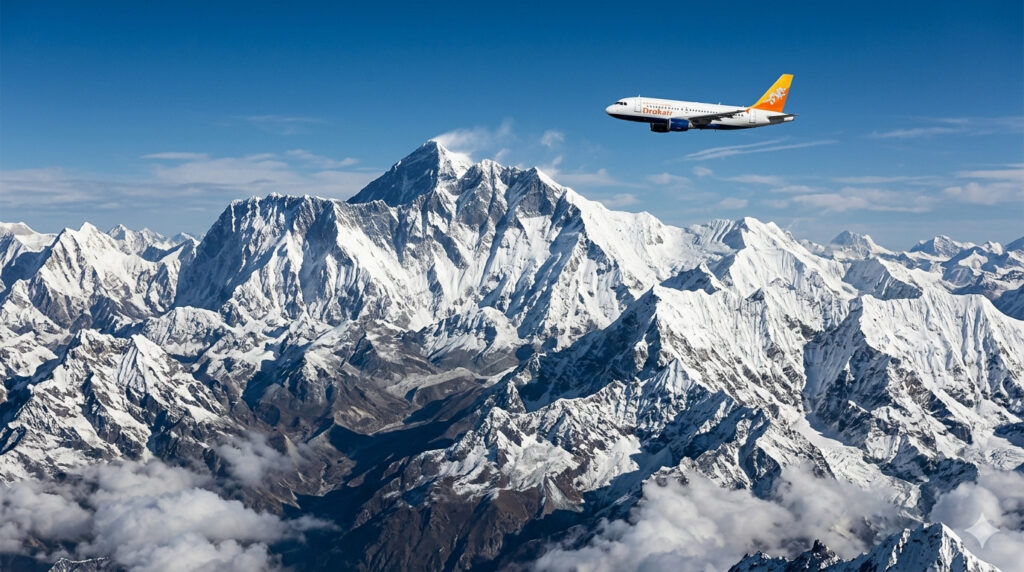
Whether you dream of watching the sunrise over Mount Jomolhari, hiking through the rhododendron forests of the Black Mountains, or embarking on the legendary Snowman Trek, our local team can design an itinerary perfectly suited to your fitness level, interests, and travel style.
At Across Bhutan, we specialize in tailor-made trekking adventures that combine breathtaking Himalayan scenery with authentic cultural experiences, comfortable logistics, and the expertise of licensed Bhutanese guides. From scenic day hikes to once-in-a-lifetime expeditions into the kingdom’s most remote valleys, we’ll help you discover the mountains that make Bhutan one of the world’s most extraordinary trekking destinations.
Contact Across Bhutan today to start planning your unforgettable Himalayan adventure.