Exploring the Kingdom’s Wild Heart with Across Bhutan
Bhutan is one of the rare places on Earth where nature is not just protected — it is deeply respected, spiritually revered, and woven into daily life. With over 70% forest coverage and more than half of its land designated as protected areas, the country stands as a global model for conservation.
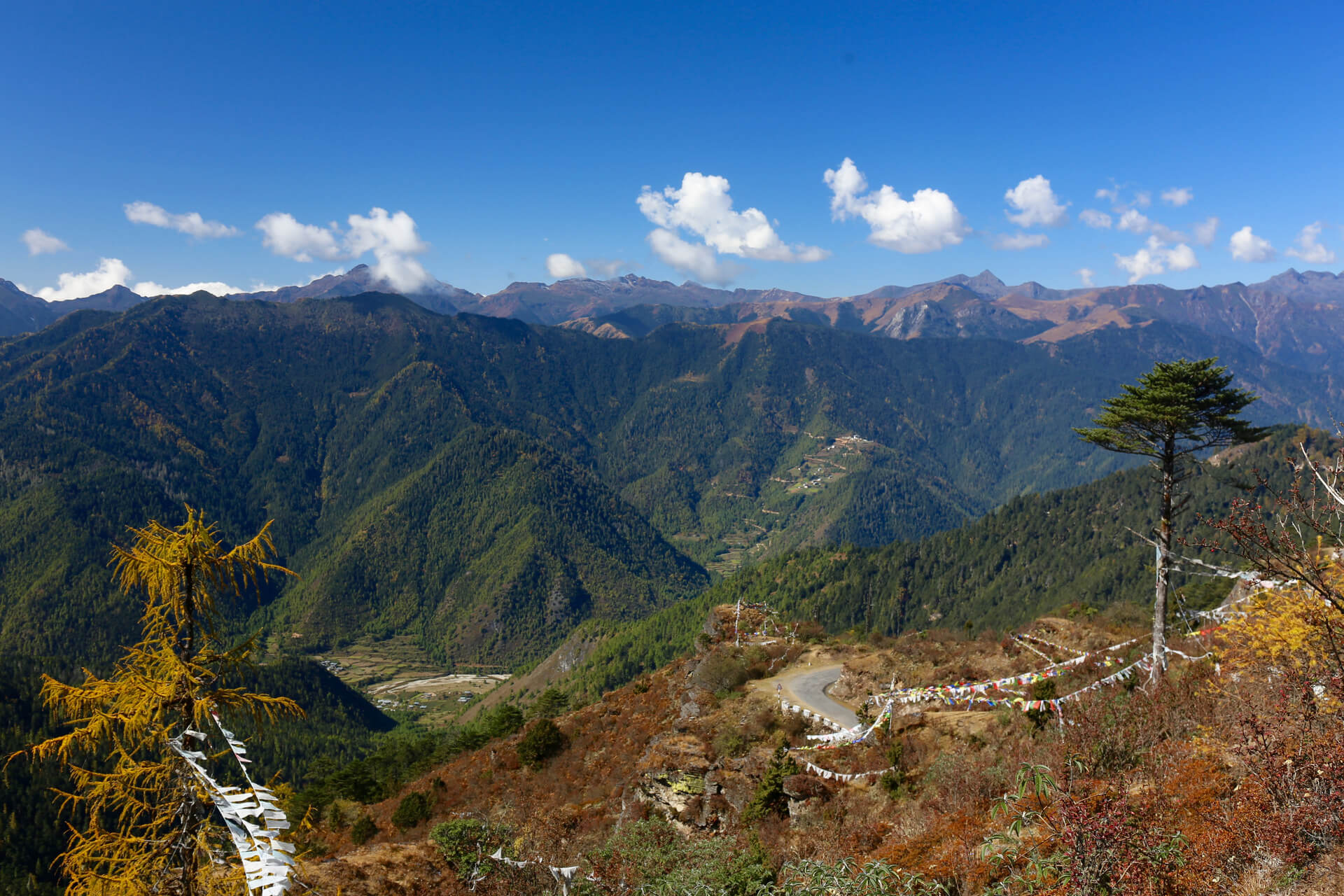
At Across Bhutan, we believe that understanding the country’s national parks is essential to understanding Bhutan itself. These protected landscapes are not isolated wilderness zones — they are living ecosystems shaped by centuries of harmony between people, wildlife, and the land. From subtropical jungles in the south to high Himalayan alpine zones in the north, Bhutan’s national parks reveal the full ecological spectrum of the Eastern Himalayas.
This guide explores Bhutan’s major national parks, their ecosystems, wildlife, cultural significance, and the experiences they offer to travelers seeking meaningful, nature-based journeys.
Bhutan’s Conservation Philosophy: Where Nature Comes First
Bhutan’s approach to conservation is deeply rooted in its national philosophy of Gross National Happiness. Rather than prioritizing economic growth alone, the country protects biodiversity as a pillar of well-being, cultural identity, and spiritual balance.
More than 50% of Bhutan’s territory is protected through a network of national parks, wildlife sanctuaries, and biological corridors that allow animals to migrate freely across landscapes. This connectivity makes Bhutan one of the most ecologically intact countries on Earth.
Travelers exploring these regions often discover that conservation here is not theoretical — it is lived daily through sustainable agriculture, sacred forests, wildlife respect, and low-impact tourism. Many of these principles are reflected in Bhutan’s growing range of eco-friendly travel experiences, which emphasize mindful exploration rather than mass tourism.
Jigme Dorji National Park
Location: Northwestern Bhutan
Area: ~4,300 km²
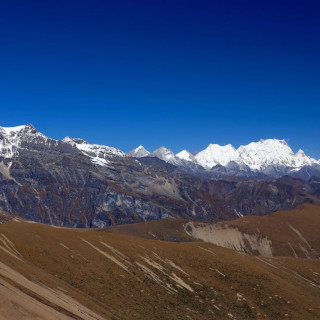
Jigme Dorji National Park is Bhutan’s second-largest protected area and one of its most ecologically diverse. Spanning dramatic altitude ranges from subtropical valleys to glaciated Himalayan peaks, the park includes parts of Paro, Thimphu, Punakha, Gasa, and Laya.
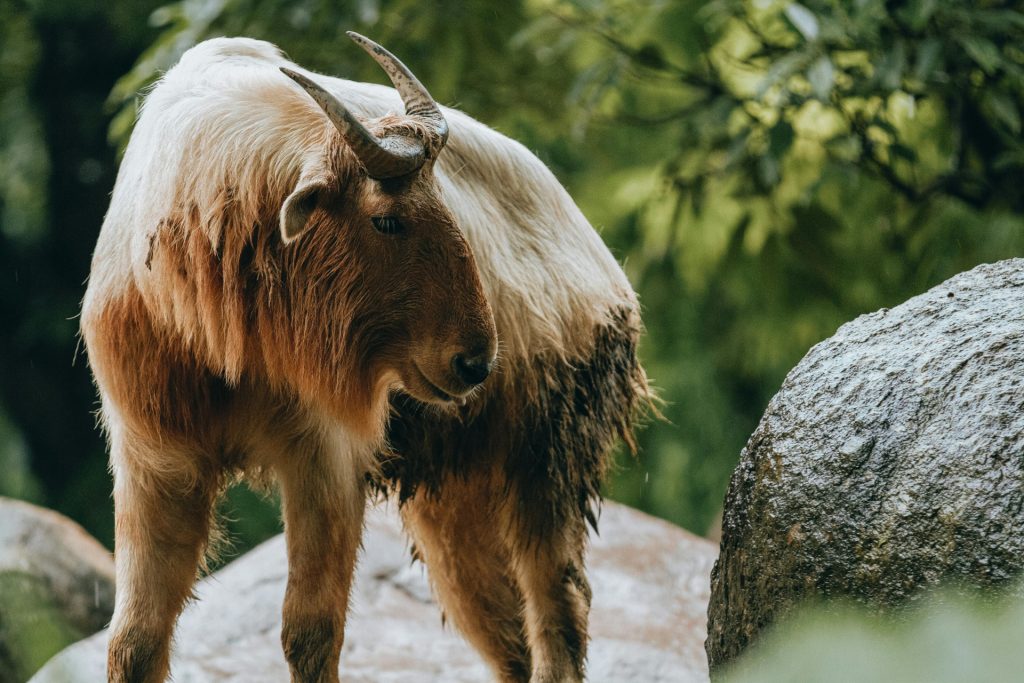
This extraordinary range of elevations creates a mosaic of ecosystems. Dense forests of oak, rhododendron, and fir give way toalpine meadows and snowbound mountain passes. The park is home to some of Bhutan’s most iconic wildlife, including the takin (the national animal), snow leopard, Himalayan blue sheep, musk deer, and Himalayan black bear.
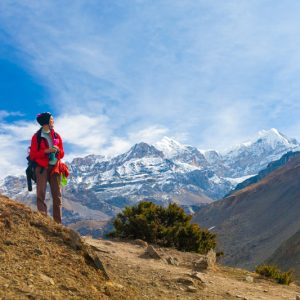
Beyond wildlife, Jigme Dorji holds deep cultural significance. Remote highland communities such as Laya maintain ancient traditions shaped by life in extreme environments. Trekking routes passing through this region offer rare insight into both Bhutan’s natural and human resilience.
On clear nights, the lack of light pollution makes this region ideal for observing the night sky — an experience that aligns beautifully with Bhutan’s growing interest in celestial storytelling and astronomy traditions, explored further in guides dedicated to stargazing across Bhutan’s pristine landscapes.
Royal Manas National Park
Location: Southern Bhutan
Area: ~1,057 km²
Often referred to as the “Crown Jewel of Bhutan’s Parks,” Royal Manas National Park is the country’s oldest protected area and one of its richest in biodiversity. Located along the Indian border, it features subtropical forests, grasslands, and river systems shaped by monsoon climates.
This park is a stronghold for large mammals such as Asian elephants, Bengal tigers, gaurs, wild water buffalo, and golden langurs. Its rivers support otters and fish species, while the canopy shelters hundreds of bird species, making it a paradise for ornithologists.
Royal Manas is also deeply intertwined with local communities who rely on forest resources while actively participating in conservation initiatives. Visiting this region offers insight into how sustainable livelihoods and biodiversity protection can coexist — a living example of conservation in action.
Jigme Singye Wangchuck National Park
Location: Central Bhutan
Area: ~1,700 km²
Positioned at the ecological heart of Bhutan, Jigme Singye Wangchuck National Park functions as a crucial wildlife corridor linking eastern and western ecosystems. Its varied terrain ranges from subtropical foothills to cool temperate forests and alpine zones.
The park supports species such as clouded leopards, Himalayan black bears, leopards, and a wide range of pheasants and hornbills. What makes this park particularly special is the coexistence of wildlife and traditional farming communities within its boundaries.
Visitors often experience a slower rhythm of life here — walking forest trails, observing daily rural routines, and learning how conservation is integrated into everyday living rather than separated from it.
Bumdeling Wildlife Sanctuary
Location: Northeastern Bhutan
Area: ~1,520 km²
Bumdeling Wildlife Sanctuary is internationally recognized as one of the most important winter habitats of the black-necked crane, a species deeply revered in Bhutanese culture. Each year, these graceful birds migrate from the Tibetan Plateau, drawing visitors and locals alike to witness their arrival.
The sanctuary’s landscapes range from temperate forests to alpine ridges, supporting species such as red pandas, leopards, and Himalayan serows. Its botanical diversity is equally impressive, with medicinal plants and rare alpine flora thriving in remote valleys.
For travelers interested in Bhutan’s biodiversity, Bumdeling provides an exceptional opportunity to understand the delicate balance between species, climate, and cultural reverence — themes also explored in depth through Bhutan’s remarkable endemic flora and fauna.
Sakteng Wildlife Sanctuary
Location: Eastern Bhutan
Area: ~650 km²
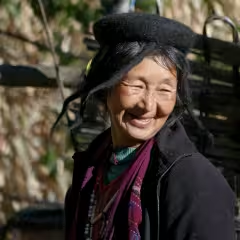
Sakteng is one of Bhutan’s most culturally distinctive protected areas. Home to the semi-nomadic Brokpa people, the sanctuary preserves not only biodiversity but also a way of life that has changed little over centuries.
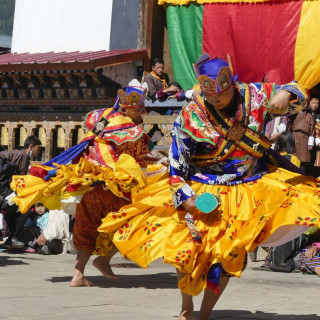
The high-altitude landscape supports red pandas, Himalayan musk deer, and rare bird species. Rolling meadows, dramatic mountain ridges, and seasonal yak herding routes define the terrain. Cultural festivals, traditional dress, and oral storytelling remain integral to daily life here.
Sakteng offers a rare blend of ecological discovery and cultural immersion, making it particularly appealing for travelers seeking depth rather than spectacle.
Phibsoo Wildlife Sanctuary
Location: Southwestern Bhutan
Area: ~268 km²
Phibsoo Wildlife Sanctuary stands apart due to its subtropical climate and dense sal forests. Unlike most of Bhutan’s protected areas, it lacks alpine zones, instead hosting rich lowland biodiversity.
The sanctuary is one of the last strongholds for the chital (spotted deer) in Bhutan and plays a critical role in elephant migration corridors. Its relative isolation has allowed ecosystems to remain largely undisturbed, offering a glimpse into Bhutan’s natural landscapes before modern development.
Wildlife, Flora & Birdlife Across Bhutan

Bhutan’s national parks collectively shelter more than 200 mammal species and over 770 bird species, along with thousands of plant varieties. From rhododendron forests to medicinal herbs used in traditional Bhutanese medicine, the country’s biodiversity is extraordinary.
Nature enthusiasts can deepen their understanding of these ecosystems through dedicated explorations of Bhutan’s rare flora and wildlife, where conservation, science, and tradition intersect.
Birdwatchers, in particular, are drawn to Bhutan for its pristine habitats and seasonal migrations. Wetlands such as Phobjikha Valley become sanctuaries for endangered species, while forested valleys echo with birdsong at dawn.
Responsible Travel in Bhutan’s National Parks
Exploring Bhutan’s wilderness is not about conquering landscapes — it is about moving gently within them. Responsible travel practices such as staying on marked trails, respecting wildlife distances, and traveling with experienced local guides help preserve these ecosystems for future generations.
Across Bhutan curates journeys that prioritize sustainability, cultural respect, and meaningful connection. Whether trekking through alpine passes, observing wildlife, or engaging with rural communities, travelers are encouraged to explore at a pace that honors the land.
For those seeking immersive, low-impact adventures, Bhutan offers countless opportunities rooted in conservation, mindfulness, and authentic discovery — all within one of the world’s most protected natural environments.
FAQ on National Parks in Bhutan
How many national parks are there in Bhutan?
Bhutan has five national parks, along with several wildlife sanctuaries and nature reserves. The main national parks are:
- Jigme Dorji National Park
- Royal Manas National Park
- Jigme Singye Wangchuck National Park
- Bumdeling Wildlife Sanctuary
- Sakteng Wildlife Sanctuary
Together, they span a remarkable range of climates and ecosystems — from subtropical jungles to alpine meadows.
Why isn’t Bhutan’s largest protected area included among the national parks?
Bhutan’s largest protected area is the Jigme Khesar Strict Nature Reserve, covering approximately 4,600 km². While it is larger than any of Bhutan’s national parks, it is not included in tourism-focused guides because it is completely closed to visitors.
Unlike national parks and wildlife sanctuaries, this reserve has the highest level of environmental protection in the country. There are no trekking routes, visitor facilities, or tourism activities permitted within its boundaries. Access is strictly limited to scientific research and conservation work.
Located along Bhutan’s northern border, the reserve plays a crucial role in preserving high-altitude ecosystems and maintaining ecological connectivity across the Himalayas. It serves as a sanctuary for rare and sensitive species that require minimal human disturbance.
This distinction reflects Bhutan’s conservation philosophy: some landscapes are protected not for exploration, but for preservation. While travelers cannot visit the Jigme Khesar Strict Nature Reserve, its existence strengthens the ecological integrity of nearby national parks that are open to responsible tourism.
Do I need a permit or ticket to enter Bhutan’s national parks?
There is no separate entrance fee for individual national parks in Bhutan.
Access to all protected areas is covered under Bhutan’s Sustainable Development Fee (SDF), which supports conservation, infrastructure, education, and local communities.
All travel must be arranged through a licensed Bhutanese tour operator such as Across Bhutan, ensuring responsible access and professional guidance throughout your journey.
How long should I spend visiting a national park in Bhutan?
The ideal duration depends on the park and your travel goals:
- 1–2 days – Suitable for lowland parks like Phibsoo or short nature excursions
- 2–3 days – Ideal for wildlife observation and cultural immersion (e.g. Bumdeling or Jigme Singye Wangchuck)
- 3–7 days – Best for remote regions such as Jigme Dorji or Sakteng, especially if trekking is involved
Longer stays allow for slower travel, deeper wildlife encounters, and a more meaningful connection with local communities.
Which national park is best for wildlife viewing?
Several parks stand out depending on the species you’re hoping to encounter:
- Royal Manas National Park – elephants, tigers, golden langurs, rich birdlife
- Jigme Dorji National Park – takin, snow leopards, blue sheep
- Bumdeling Wildlife Sanctuary – black-necked cranes (seasonal), red pandas
- Sakteng Wildlife Sanctuary – Himalayan musk deer, rare birds
When is the best time to visit Bhutan’s national parks?
The best seasons are:
- Spring (March–May): blooming rhododendrons, mild temperatures, active wildlife
- Autumn (September–November): clear skies, ideal trekking conditions, bird migrations
Winter is excellent for birdwatching in lower elevations, particularly in places like Phobjikha Valley, while summer offers lush landscapes despite occasional monsoon rains.
Are Bhutan’s national parks suitable for eco-friendly travel?
Absolutely. Bhutan is considered one of the world’s leading destinations for sustainable tourism. Activities such as guided forest walks, cultural exchanges, birdwatching, and low-impact trekking are designed to protect ecosystems while supporting local livelihoods.
Many travelers choose to explore Bhutan through eco-friendly activities that prioritize conservation, authenticity, and community involvement, making their journey both meaningful and responsible.
Is it safe to explore Bhutan’s national parks?
Yes. Bhutan is one of the safest countries in the world for travelers. Wildlife encounters are managed responsibly, and visitors are always accompanied by experienced guides who understand animal behavior, terrain, and weather conditions.
Travelers are encouraged to:
- Stay on designated trails
- Maintain respectful distances from wildlife
- Follow local guidance at all times
These practices ensure safety while preserving fragile ecosystems.
Why explore Bhutan’s national parks with Across Bhutan?
At Across Bhutan, we design journeys that go beyond sightseeing. Our approach focuses on authenticity, sustainability, and meaningful connection — whether you’re trekking through alpine landscapes, observing rare wildlife, or engaging with remote communities.
Bhutan’s national parks are not simply places to visit; they are living environments that reveal the soul of the Himalayas. Experiencing them thoughtfully transforms travel into something deeper — a journey shaped by nature, culture, and quiet wonder.