If you’re preparing for a trip to Bhutan, one practical detail is often overlooked until the last minute: electricity and power adapters. Yet making sure your devices can charge properly is essential—especially if you rely on your phone, camera, drone, or laptop during your journey.
So, what is the Bhutan plug type? Do you need an adapter? Is the electricity reliable throughout the country?
Here’s everything travelers should know before visiting Bhutan.
What Plug Type Is Used in Bhutan?
The main Bhutan plug type is:
- Type D
- Type G
- Occasionally Type C in some hotels
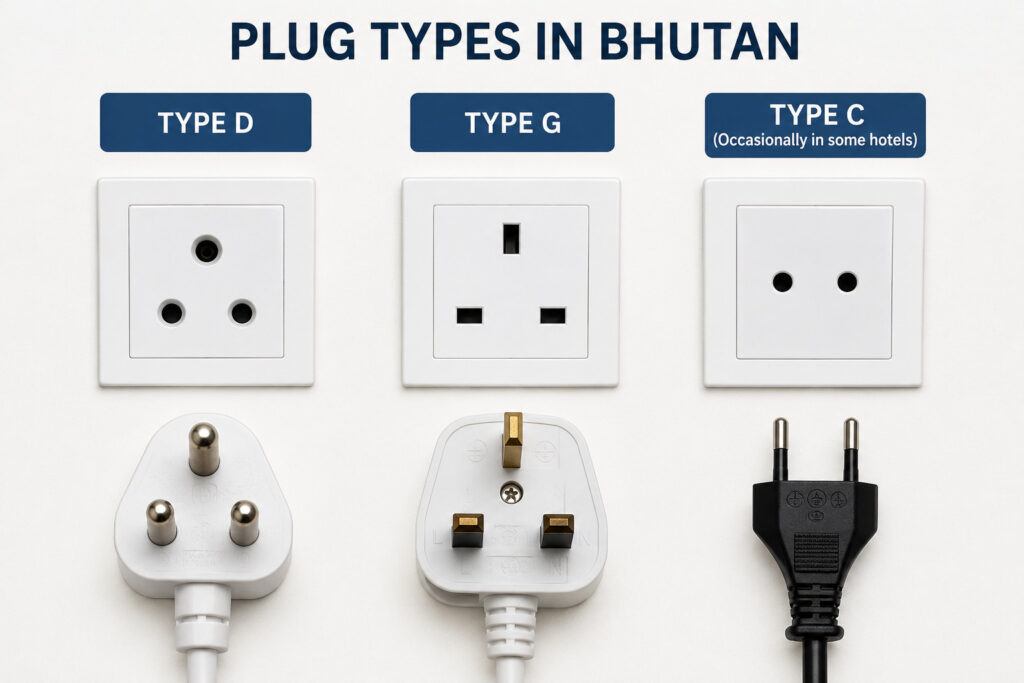
Type D plugs are common across the Indian subcontinent and feature three large round pins arranged in a triangular pattern.
Type G plugs are the same as those used in the United Kingdom, with three rectangular pins.
In practice, many hotels—especially higher-end accommodations—offer multiple socket formats to accommodate international travelers. However, this is not guaranteed everywhere, particularly in smaller guesthouses or rural areas.
Electricity Voltage in Bhutan
Bhutan uses:
- 230V voltage
- 50Hz frequency
This is compatible with most modern electronics from Europe, the UK, Australia, and many Asian countries.
If you’re traveling from:
- The United States
- Canada
- Japan
you may need both:
- A plug adapter
- A voltage converter for older devices
That said, most modern chargers for phones, cameras, and laptops are dual voltage compatible. Always check the label on your charger before traveling.
Should You Bring a Universal Adapter?
Yes — absolutely.
A universal travel adapter is the easiest and safest option for traveling through Bhutan, especially if your itinerary includes multiple regions or different types of accommodation.
This is particularly useful if you plan to:
- Charge several devices simultaneously
- Use camera batteries or drone equipment
- Stay in rural lodges or traditional guesthouses
Some remote areas may have limited outlets available in rooms, so bringing a compact power strip or USB hub can also be surprisingly useful.
Is Electricity Reliable in Bhutan?
In major destinations such as:
electricity is generally stable and reliable.
However, in more remote mountainous regions, occasional outages can happen, especially during heavy rain or winter weather conditions.
Most premium hotels and resorts have backup generators, but smaller accommodations may not.
Travel tip:
- Charge your devices whenever possible
- Carry a power bank during long drives or treks
- Download maps and documents offline before traveling
Charging Cameras & Electronics During Treks
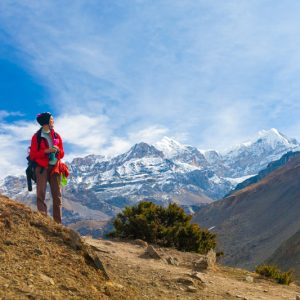
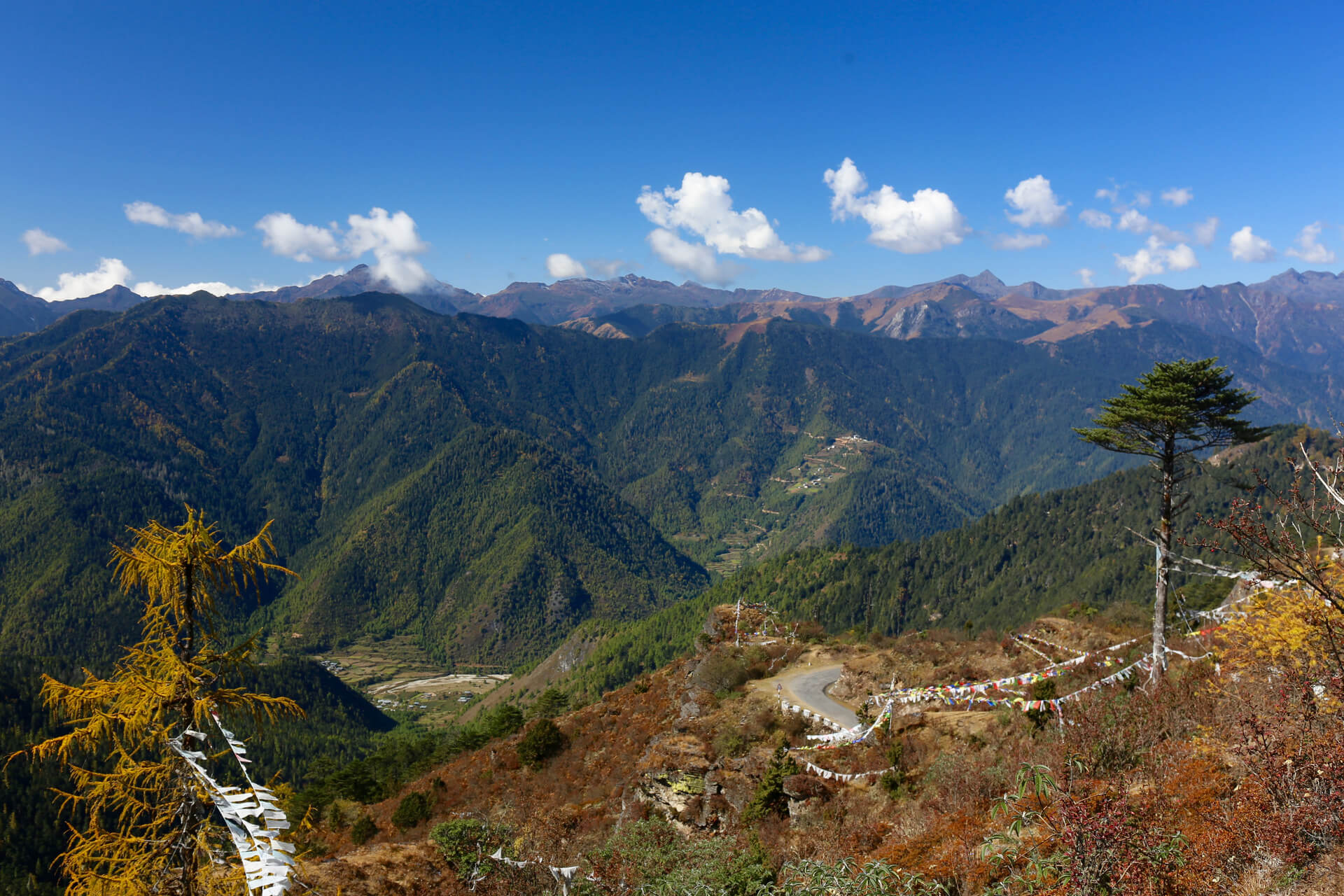
If you plan to explore Bhutan’s mountains or go trekking, access to electricity may become more limited.
On multi-day treks:
- Charging opportunities can be rare
- Solar chargers or high-capacity power banks are useful
- Cold temperatures can drain batteries faster than usual
Photographers and drone users should prepare extra batteries, especially when visiting remote valleys or high-altitude regions.
Can You Buy Adapters in Bhutan?
Yes, adapters can be found in larger towns like Thimphu or Paro, particularly in electronics stores or tourist-oriented shops.
However:
- Choice may be limited
- Quality can vary
- Prices are often higher than abroad
It’s much easier to arrive already equipped.
Final Tips Before Your Bhutan Trip
Before leaving, make sure to:
- Pack a universal adapter
- Verify voltage compatibility for your devices
- Bring a power bank for long excursions
- Carry spare batteries if you use cameras extensively
These small preparations can make your journey through Bhutan much smoother — especially if you plan to spend time exploring remote areas and mountain landscapes.
And once everything is charged, you can focus on what truly matters: experiencing Bhutan itself.