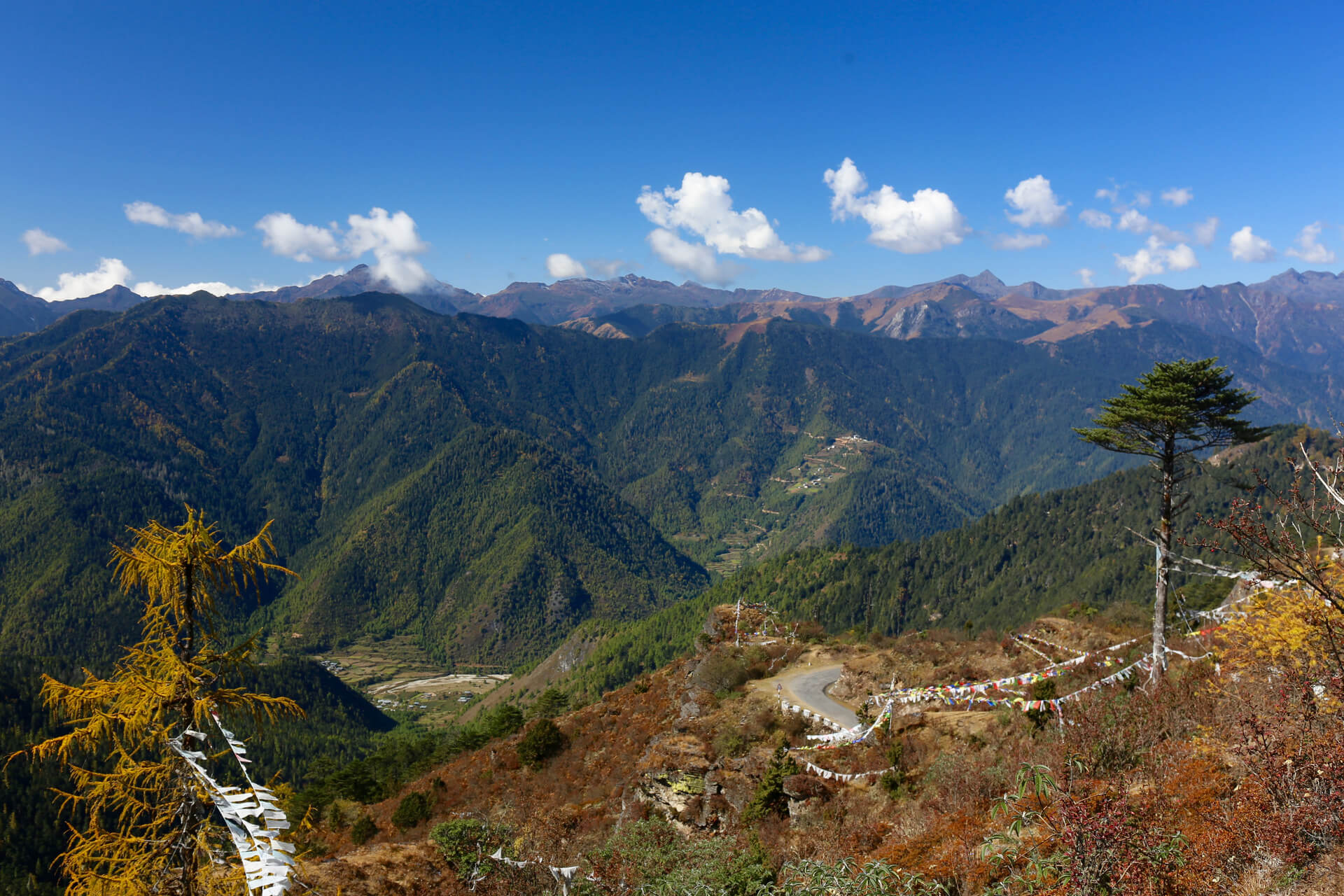
Bhutan is renowned for its dramatic Himalayan landscapes, cliffside monasteries, colorful festivals, and deeply preserved Buddhist traditions. Yet many travelers are surprised to learn that the Kingdom of Bhutan currently has no official UNESCO World Heritage Sites. Does that mean the country lacks heritage of outstanding universal value? Quite the opposite.
Despite being one of the world’s most culturally and environmentally preserved nations, Bhutan has chosen a careful and deliberate approach to international recognition. Rather than pursuing rapid inscriptions, the country has focused first on protecting its heritage through national conservation policies that align with its philosophy of Gross National Happiness.
Since 2012, Bhutan has maintained eight remarkable properties on UNESCO’s Tentative List, representing everything from monumental fortress-monasteries and ancient Buddhist sites to some of the Eastern Himalayas’ most biodiverse national parks. Many of these places are already among the country’s greatest attractions and offer visitors an extraordinary glimpse into Bhutan’s history, architecture, religion, and natural heritage.
Whether you’re fascinated by centuries-old dzongs, pristine wildlife sanctuaries, or sacred monasteries linked to Bhutan’s spiritual origins, these tentative UNESCO sites tell the story of a kingdom that has carefully preserved its identity for centuries.
Does Bhutan Have Any UNESCO World Heritage Sites?
The short answer is no—not yet.
Unlike neighboring countries such as India, Nepal, or China, Bhutan currently has no properties officially inscribed on the UNESCO World Heritage List. However, this often leads to the mistaken impression that the country lacks internationally significant cultural or natural heritage.
In reality, Bhutan possesses an exceptional concentration of historic monuments, protected ecosystems, and sacred religious sites. Rather than rushing through the nomination process, the Bhutanese government has chosen to prioritize conservation and sustainable management before seeking formal UNESCO recognition.
In 2012, Bhutan submitted eight sites to UNESCO’s Tentative List—the essential first step toward becoming a World Heritage Site. These locations represent what Bhutan considers its most important cultural and natural treasures and demonstrate the country’s extraordinary diversity.
| UNESCO Status | Bhutan |
|---|---|
| Official UNESCO World Heritage Sites | 0 |
| Sites on UNESCO’s Tentative List | 8 |
| Year Added | 2012 |
For travelers, this means many of Bhutan’s most iconic landmarks are already internationally recognized as having outstanding heritage potential—even if the final UNESCO inscription has yet to happen.
What Is UNESCO’s Tentative List?
Many people assume that UNESCO recognition happens immediately, but every World Heritage Site begins its journey on a country’s Tentative List.
The Tentative List serves as an official inventory of properties that a nation believes possess Outstanding Universal Value. Only sites appearing on this list are eligible to be formally nominated for inscription on the UNESCO World Heritage List.
The nomination process is rigorous and often takes many years. Governments must demonstrate not only the historical, cultural, or environmental significance of a site, but also prove that it has appropriate legal protection, long-term conservation strategies, and sustainable visitor management.
For Bhutan, this careful process aligns perfectly with its national philosophy. Rather than seeking recognition for tourism purposes alone, the country places greater emphasis on preserving authenticity and ensuring that future generations inherit these remarkable places intact.
As a result, Bhutan’s tentative sites remain exceptionally well preserved, often experiencing far less development and visitor pressure than many already-inscribed World Heritage Sites around the world.
The Five Great Dzongs: Bhutan’s Fortress-Monasteries
Among Bhutan’s eight tentative UNESCO properties, perhaps none better represent the country’s identity than the five great dzongs. These immense fortress-monasteries are architectural masterpieces that combine religious, military, and administrative functions into a single complex.
Constructed during the seventeenth century under the leadership of Zhabdrung Ngawang Namgyal, the unifier of Bhutan, the dzongs played a decisive role in defending the kingdom from external invasions while establishing a centralized government rooted in Vajrayana Buddhism.
Unlike castles or monasteries found elsewhere in the Himalayas, Bhutanese dzongs continue to function much as they always have. They remain active administrative centers, monastic communities, and venues for the country’s largest religious festivals, making them living heritage rather than simply historical monuments.
Punakha Dzong
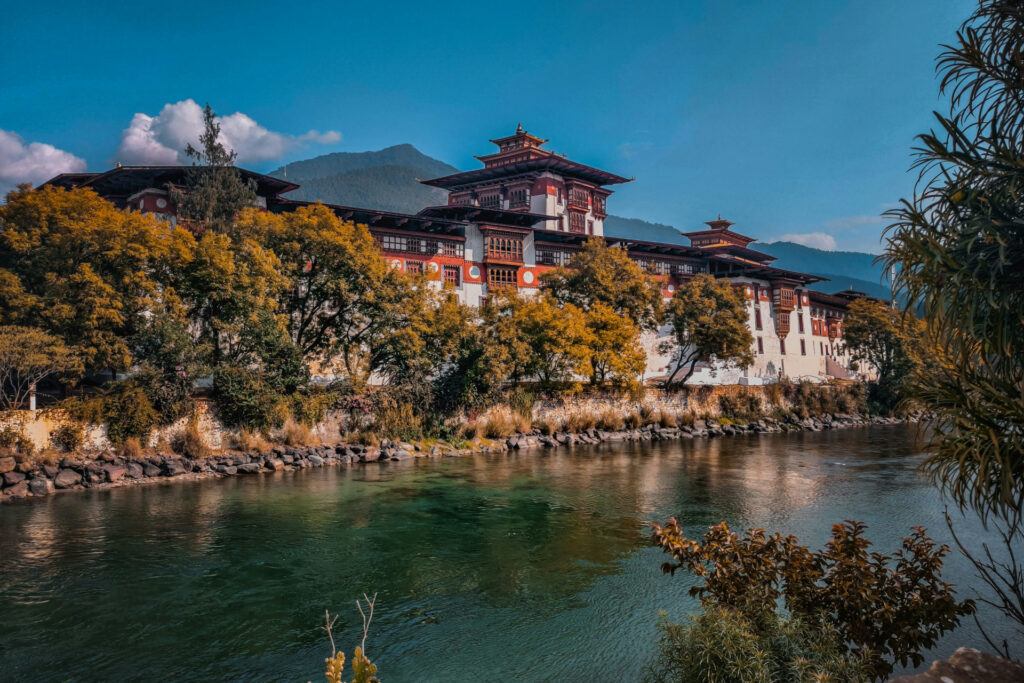
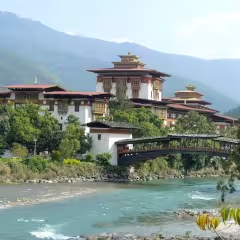
Often considered the most beautiful fortress in Bhutan, Punakha Dzong stands majestically at the confluence of the Pho Chhu and Mo Chhu rivers. Built in 1637, it served as Bhutan’s capital until the mid-twentieth century and remains one of the kingdom’s most sacred religious sites.
Its whitewashed walls, towering central utse, richly decorated courtyards, and intricately carved wooden galleries create one of the finest examples of traditional Bhutanese architecture.
Each spring, the surrounding jacaranda trees burst into bloom, framing the dzong in vibrant purple flowers and making it one of Bhutan’s most photographed landmarks.
Beyond its architectural beauty, Punakha Dzong continues to host important religious ceremonies and national events, illustrating how Bhutan’s historic monuments remain deeply integrated into modern life.
Paro Dzong (Rinpung Dzong)

Dominating the Paro Valley from a rocky hillside, Rinpung Dzong is among Bhutan’s most iconic cultural landmarks. Built in 1646 on the foundations of an earlier monastery, it overlooks fertile farmland while protecting the historic trade routes that once connected Bhutan with Tibet.
The fortress is particularly admired for its harmonious proportions, elaborate wooden balconies, and magnificent entrance bridge crossing the Paro Chhu River.
Inside, richly painted temples and monastic courtyards preserve centuries of Buddhist art, while outside, the dzong provides one of the country’s finest panoramic viewpoints.
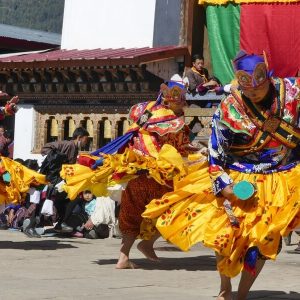
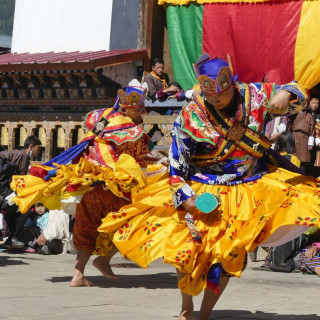
Every spring, it becomes the focal point of the Paro Tshechu, one of Bhutan’s largest religious festivals, where monks perform sacred masked dances before thousands of pilgrims and visitors.
Trongsa Dzong
Few fortresses occupy a more spectacular location than Trongsa Dzong. Stretching dramatically along a narrow ridge overlooking a deep Himalayan gorge, it appears almost suspended between mountains and sky.
Founded in 1648, Trongsa controlled the strategic east-west trade route that linked the various regions of Bhutan. Whoever controlled Trongsa effectively controlled the kingdom itself, making it one of Bhutan’s most politically significant monuments.
The sprawling complex contains dozens of temples, administrative buildings, courtyards, and hidden passageways connected by stone staircases and wooden corridors.
Its commanding position, combined with its extraordinary scale, makes Trongsa one of Bhutan’s most impressive architectural achievements.
Wangdue Phodrang Dzong
Originally constructed in 1638, Wangdue Phodrang Dzong occupied a dramatic ridge overlooking the convergence of two rivers. For centuries, it served as an important defensive fortress protecting western Bhutan.
Although a devastating fire destroyed much of the complex in 2012, extensive reconstruction efforts have carefully followed traditional building methods, using local craftsmen and centuries-old architectural techniques.
Today, the dzong represents Bhutan’s commitment to preserving its cultural heritage through authenticity rather than modern replacement.
Dagana Dzong
Less visited than its famous counterparts, Dagana Dzong offers a quieter perspective on Bhutanese history. Located in southwestern Bhutan, it played an important administrative role while helping defend remote frontier regions.
Its relative isolation has allowed it to retain a particularly authentic atmosphere, making it an excellent example of how Bhutan’s fortress architecture adapted to different landscapes while preserving a remarkably consistent architectural identity.
Together, these five dzongs illustrate the extraordinary unity of Bhutanese architecture while highlighting the regional diversity that makes each fortress unique.
Drukgyel Dzong: The Fortress of Bhutanese Victory
Standing proudly at the northern end of Paro Valley, Drukgyel Dzong is one of Bhutan’s most historically significant monuments. Unlike many other dzongs, it was never intended to become an administrative center. Instead, it was built almost exclusively for military defense.
Commissioned in 1649 by Zhabdrung Ngawang Namgyal, the fortress commemorated Bhutan’s decisive victory against repeated Tibetan invasions. Its name literally translates as “Fortress of the Victorious Drukpa,” symbolizing the country’s successful defense of its independence during a formative period of Bhutanese history.
For centuries, Drukgyel Dzong guarded the mountain passes leading toward Tibet, serving both as a military outpost and as a powerful symbol of national unity.
Although a fire severely damaged the fortress in 1951, its dramatic ruins became one of Bhutan’s most recognizable historical landmarks. More recently, the government undertook an ambitious restoration project using traditional construction techniques to preserve the site’s historical integrity while reviving its original appearance.
The location itself is breathtaking. On clear mornings, the snow-covered summit of Mount Jomolhari rises directly behind the fortress, creating one of the most spectacular landscapes in Bhutan. This combination of history, architecture, and Himalayan scenery makes Drukgyel Dzong one of the country’s most rewarding cultural visits.
For visitors exploring Paro after the famous Tiger’s Nest Monastery, Drukgyel Dzong offers a fascinating continuation of Bhutan’s story—one centered not only on spirituality but also on resilience, sovereignty, and national identity.
Royal Manas National Park: Bhutan’s Biodiversity Crown Jewel
While Bhutan is often celebrated for its monasteries and mountain landscapes, its natural heritage is equally remarkable. Among all the country’s protected areas, Royal Manas National Park stands out as one of the strongest candidates for UNESCO recognition thanks to its extraordinary biodiversity and ecological importance.
Established as a wildlife sanctuary in 1966 before becoming Bhutan’s first national park in 1993, Royal Manas protects more than 1,000 square kilometers of subtropical forests in southern Bhutan. It also forms part of a much larger transboundary conservation landscape, connecting directly with India’s UNESCO-listed Manas Wildlife Sanctuary. Together, these forests create one of the most significant wildlife corridors in the Eastern Himalayas.
The park is often referred to as the “conservation showpiece” of Bhutan because it shelters an astonishing diversity of habitats, from tropical river valleys to dense evergreen forests and lower Himalayan foothills.
Royal Manas is home to an exceptional concentration of wildlife, including:
- Royal Bengal Tiger
- Asian Elephant
- Clouded Leopard
- Golden Langur
- Indian Gaur
- Himalayan Black Bear
- Wild Water Buffalo
- More than 360 bird species
The park’s importance extends far beyond its wildlife. It forms the southern gateway to Bhutan’s famous network of biological corridors, allowing animals to migrate freely between national parks—a conservation model that has become internationally recognized.
Unlike many protected areas elsewhere in Asia, Royal Manas remains largely untouched by mass tourism. Visiting the park is therefore less about checking off wildlife sightings and more about immersing yourself in one of the last truly intact ecosystems of the Himalayas.
Jigme Dorji National Park: Where Glaciers Meet Ancient Forests
If Royal Manas represents Bhutan’s tropical biodiversity, Jigme Dorji National Park showcases the kingdom’s dramatic alpine landscapes.
Covering approximately 4,300 square kilometers across northwestern Bhutan, it is one of the country’s largest protected areas and one of the most environmentally diverse national parks in Asia.
Few places on Earth contain such an extraordinary range of ecosystems within a single protected area. Elevations stretch from around 1,400 meters to more than 7,000 meters above sea level, encompassing temperate forests, alpine meadows, glaciers, snowfields, and some of Bhutan’s highest peaks.
This remarkable variation allows an incredible diversity of wildlife to thrive.
Visitors may encounter:
- Snow Leopard
- Takin (Bhutan’s national animal)
- Blue Sheep
- Musk Deer
- Red Panda
- Himalayan Monal
- Black-necked Crane during migration
The park also protects several of Bhutan’s sacred mountains and major river systems, making it important not only ecologically but spiritually.
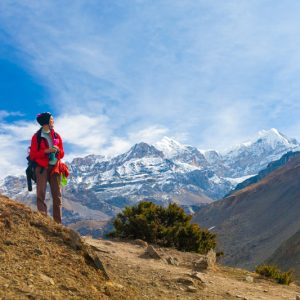
Unlike conventional national parks where visitors remain close to roads, Jigme Dorji is best experienced on foot. Multi-day treks pass through yak-herding settlements, remote monasteries, glacier-fed rivers, and spectacular alpine valleys where traditional lifestyles have changed very little over centuries.
Its combination of wilderness, cultural heritage, and high-altitude scenery makes it one of Bhutan’s greatest natural treasures and an outstanding candidate for future UNESCO recognition.
Bumdeling Wildlife Sanctuary: A Haven for Black-Necked Cranes and Traditional Communities
Located in northeastern Bhutan, Bumdeling Wildlife Sanctuary demonstrates how conservation and traditional lifestyles can successfully coexist.
Covering nearly 1,500 square kilometers, the sanctuary includes pristine forests, alpine meadows, glacier-fed rivers, and remote mountain villages where communities continue to practice centuries-old agricultural and artisanal traditions.
Internationally, Bumdeling is best known as one of the wintering grounds of the endangered Black-necked Crane. Every year these elegant birds migrate from the Tibetan Plateau to spend the colder months in Bhutan’s protected valleys, where local communities welcome them as symbols of peace, prosperity, and good fortune.
The sanctuary supports an extraordinary variety of wildlife beyond the cranes, including:
- Red Panda
- Snow Leopard
- Himalayan Black Bear
- Musk Deer
- Blue Sheep
- More than 300 bird species
One of Bumdeling’s defining characteristics is the presence of traditional villages inside the protected landscape. Rather than excluding local populations, Bhutan has developed conservation strategies that integrate sustainable farming, handicrafts, and community participation into environmental management.
This harmonious relationship between people and nature is one of the sanctuary’s greatest strengths and reflects Bhutan’s broader philosophy that environmental protection should benefit both biodiversity and local communities.
Sakteng Wildlife Sanctuary: Bhutan’s Most Remote Wilderness
Few places capture the imagination quite like Sakteng Wildlife Sanctuary. Hidden in the remote eastern mountains near the Indian border, it protects one of Bhutan’s least explored regions and offers visitors a glimpse into landscapes and cultures that remain remarkably untouched.
Unlike Bhutan’s other protected areas, Sakteng was established not only for its exceptional biodiversity but also to preserve the unique cultural heritage of the semi-nomadic Brokpa communities, whose distinctive dress, traditions, and yak-herding lifestyle have endured for generations.
The sanctuary is often called the “Paradise of Rhododendrons”, with more than thirty species blooming across its forests during spring. Alpine meadows, bamboo forests, high mountain passes, and crystal-clear rivers combine to create some of Bhutan’s most spectacular trekking landscapes.
Wildlife includes:
- Red Panda
- Himalayan Black Bear
- Leopard
- Himalayan Serow
- Blood Pheasant
- Numerous endemic Himalayan birds
Sakteng is perhaps equally famous for something more mysterious—the local legend of the migoi, often described as Bhutan’s version of the Yeti. While no scientific evidence has ever confirmed its existence, stories of this elusive creature remain deeply embedded in local folklore and continue to fascinate visitors.
Whether travelers come for the wildlife, the trekking, or the living culture of the Brokpa people, Sakteng offers one of Bhutan’s most authentic wilderness experiences.
Tamzhing Monastery: A Living Masterpiece of Bhutanese Buddhism
Among Bhutan’s cultural treasures, Tamzhing Lhündrup Monastery occupies a special place in the country’s religious history.
Founded in 1501 by the renowned saint and treasure revealer Pema Lingpa, the monastery became one of the principal centers of the Nyingma school of Tibetan Buddhism and remains an active place of worship more than five centuries later.
Located in the Bumthang Valley—often considered Bhutan’s spiritual heart—Tamzhing preserves one of the country’s richest collections of original Buddhist murals, sacred statues, ancient manuscripts, and religious relics.
Unlike many historical monuments that function primarily as museums, Tamzhing continues to serve an active monastic community. Daily prayers, religious ceremonies, and traditional festivals maintain an unbroken continuity between the monastery’s past and present.
The annual Tamzhing Phala Choepa festival is among Bhutan’s oldest religious celebrations, featuring sacred masked dances performed according to traditions established centuries ago by Pema Lingpa himself.
UNESCO’s interest in Tamzhing extends beyond its architecture. The monastery represents a living religious tradition where art, ritual, education, and spiritual practice remain inseparable—a rare example of intangible and tangible heritage continuing to evolve together.
The Sacred Sites of Phajo Drugom Zhigpo: Following the Footsteps of Bhutan’s Spiritual Pioneer
Perhaps the least understood of Bhutan’s tentative UNESCO properties is the network of sacred places associated with Phajo Drugom Zhigpo, a revered Buddhist master who introduced the Drukpa Kagyu school from Tibet into Bhutan during the 13th century.
Rather than consisting of a single monument, this nomination encompasses sixteen interconnected sacred sites spread across western Bhutan.
These include:
- Ancient monasteries
- Fortified religious centers
- Meditation caves
- Sacred cliffs
- Historic pilgrimage sites
According to Bhutanese tradition, Phajo Drugom Zhigpo traveled extensively through the Himalayas, blessing landscapes, establishing meditation retreats, and laying the foundations of what would eventually become Bhutan’s dominant Buddhist tradition.
Many of these sacred places remain active pilgrimage destinations today, visited not because they are historical monuments, but because they continue to hold profound spiritual meaning for Bhutanese people.
The nomination therefore represents something quite unique within UNESCO’s Tentative List: rather than celebrating a single building or natural landscape, it recognizes an entire spiritual geography—a network of places connected through centuries of religious practice, oral history, and cultural memory.
Together, these sacred sites illustrate how Buddhism shaped not only Bhutan’s religious life but also its political development, cultural identity, and understanding of the natural world.
Why Bhutan Still Has No UNESCO World Heritage Site
For many travelers, discovering that Bhutan has no officially inscribed UNESCO World Heritage Sites comes as a surprise. After all, few countries possess such a rich concentration of historic monasteries, monumental fortress-monasteries, pristine national parks, and living Buddhist traditions.
The absence of an inscription should not be interpreted as a lack of heritage value. On the contrary, Bhutan is widely recognized as one of the world’s best-preserved cultural landscapes. Rather than pursuing international recognition at all costs, the kingdom has historically placed greater emphasis on protecting its heritage according to its own conservation philosophy.
Becoming a UNESCO World Heritage Site is an extremely demanding process. Beyond demonstrating Outstanding Universal Value, each candidate must satisfy strict requirements regarding authenticity, integrity, legal protection, management plans, conservation policies, and long-term monitoring.
Preparing a complete nomination can take many years, requiring extensive historical research, scientific studies, mapping, restoration work, and international evaluations. For a small country like Bhutan, where conservation resources are carefully allocated, these nominations represent a significant investment.
Bhutan has also followed a different development model from many other destinations. Guided by the philosophy of Gross National Happiness, the country has consistently prioritized quality over quantity in tourism, seeking to protect fragile ecosystems and cultural traditions from the pressures of mass visitation.
In many ways, Bhutan has achieved one of UNESCO’s core objectives long before receiving official recognition: preserving both its natural and cultural heritage for future generations.
Can You Visit All of Bhutan’s Tentative UNESCO Sites?
Yes—but doing so requires considerably more time than the classic Bhutan itinerary.
Many travelers spend between five and eight days visiting western Bhutan, which includes iconic destinations such as Paro, Thimphu, and Punakha. During this type of journey, it is already possible to discover several of the country’s UNESCO Tentative Sites.
Easily accessible sites include:
- Punakha Dzong
- Paro Dzong (Rinpung Dzong)
- Drukgyel Dzong
- Trongsa Dzong (with a central Bhutan itinerary)
- Tamzhing Monastery in Bumthang
The natural heritage sites, however, require significantly more planning.
Royal Manas National Park, Bumdeling Wildlife Sanctuary, and Sakteng Wildlife Sanctuary are located in southern and eastern Bhutan, regions that receive far fewer visitors than the country’s western valleys. Reaching them often involves long scenic drives, domestic flights, or multi-day trekking itineraries.
For wildlife enthusiasts, photographers, birdwatchers, and experienced travelers looking to discover another side of Bhutan, these remote destinations offer some of the country’s most rewarding adventures.
The best time to explore most cultural sites is during spring (March to May) and autumn (September to November), when skies are generally clear, temperatures are pleasant, and many religious festivals take place.
Nature lovers may also enjoy winter, particularly for observing black-necked cranes in Bumdeling or Phobjikha, while spring transforms mountain forests into spectacular displays of blooming rhododendrons.
UNESCO Heritage Beyond the Tentative List
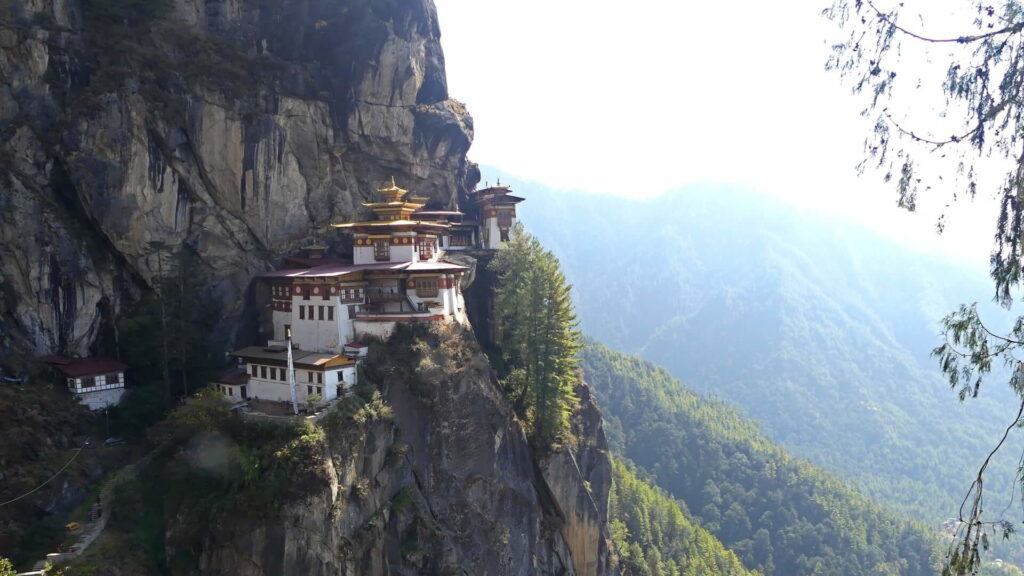
Although Bhutan’s Tentative List highlights eight exceptional properties, many of the country’s most famous attractions are not currently included in the nomination.
This illustrates an important point: UNESCO status is only one way of recognizing cultural significance.
Among Bhutan’s most iconic places are:
- Tiger’s Nest Monastery (Paro Taktsang), dramatically perched on a cliff nearly 900 meters above the Paro Valley.
- Buddha Dordenma, one of the world’s tallest seated Buddha statues, overlooking Thimphu.
- Gangtey Monastery, spiritual center of the beautiful Phobjikha Valley.
- Haa Valley, one of Bhutan’s least-visited cultural regions, where traditional lifestyles remain remarkably well preserved.
- The country’s countless village temples, prayer wheels, chortens, and sacred mountain landscapes, many of which continue to play an essential role in everyday Bhutanese life.
In Bhutan, heritage is not limited to monumental architecture. It is woven into daily customs, traditional dress, religious ceremonies, oral traditions, farming practices, craftsmanship, and even the country’s unique relationship with nature.
This living heritage is perhaps Bhutan’s greatest cultural treasure.
Planning a Heritage Tour in Bhutan
One of the great advantages of traveling in Bhutan is that cultural and natural heritage are never experienced in isolation. A single journey can combine magnificent fortress-monasteries, sacred pilgrimage sites, pristine forests, mountain passes, traditional villages, and vibrant religious festivals.
Rather than simply visiting monuments, travelers have the opportunity to understand the stories behind them—learning how Buddhism shaped the kingdom, how architecture evolved to defend remote valleys, and how conservation continues to protect both wildlife and local communities.
A carefully designed itinerary also allows visitors to experience different regions of Bhutan, each with its own identity. Western Bhutan introduces the country’s most famous monasteries and dzongs, central Bhutan reveals its spiritual heartland, while eastern Bhutan offers remote sanctuaries, unique cultures, and extraordinary biodiversity.
Whether your interests lie in history, architecture, photography, wildlife, or Buddhist culture, Bhutan’s UNESCO Tentative Sites provide an exceptional framework for discovering the country’s remarkable heritage.
At Travel Across Bhutan, we can help design personalized itineraries that combine these extraordinary cultural landmarks with authentic local experiences, scenic hikes, festivals, and lesser-known destinations, allowing you to discover Bhutan far beyond its most famous attractions.
Conclusion: A Heritage Waiting to Be Recognized
Bhutan may not yet have an official UNESCO World Heritage Site, but few countries possess such a remarkable concentration of cultural and natural treasures.
From the monumental dzongs that unified the kingdom to remote wildlife sanctuaries protecting some of the Himalayas’ rarest species, each of Bhutan’s eight Tentative List properties tells part of a much larger story—a story of resilience, spirituality, biodiversity, and cultural continuity.
Whether or not UNESCO eventually grants full World Heritage status, these places already represent the very best of Bhutan. They remain living monuments rather than frozen museums, continuing to serve local communities while welcoming travelers seeking authentic experiences.
Exploring Bhutan’s tentative UNESCO sites is therefore much more than a sightseeing itinerary. It is an invitation to discover a kingdom where history, religion, architecture, and nature remain inseparably connected—a rare quality that makes Bhutan one of the world’s most extraordinary destinations.