As sustainable tourism continues to shape the future of global travel, Vietnam and Bhutan are strengthening their partnership around a shared commitment to responsible destination management, cultural preservation, and community-based tourism.
On 8 July 2026, the Vietnam National Authority of Tourism (VNAT) welcomed a Bhutanese delegation led by Damcho Rinzin, Director of the Department of Tourism of Bhutan, for high-level discussions in Hanoi. The meeting highlighted the many similarities between the two countries’ tourism strategies and opened the door to closer cooperation in the years ahead.
For travelers interested in authentic cultural experiences and environmentally responsible destinations, the partnership reflects a growing international recognition of Bhutan’s unique tourism philosophy.
A Shared Commitment to Quality Tourism
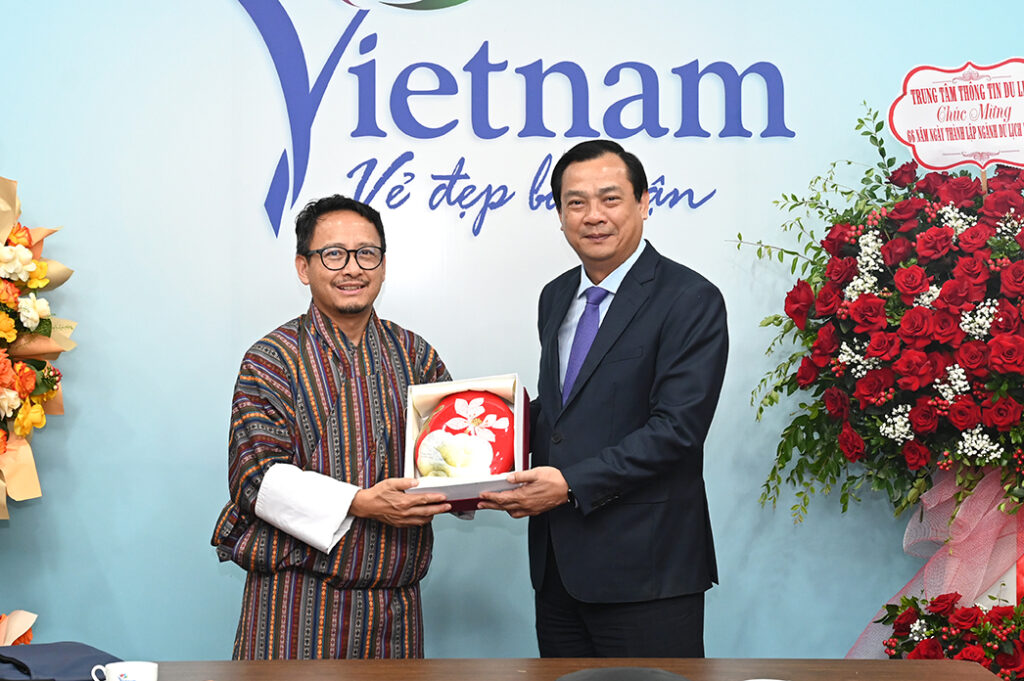
During the meeting, VNAT Chairman Nguyen Trung Khanh presented Vietnam’s latest tourism achievements and outlined the country’s long-term vision for the industry.
After welcoming millions of international visitors in recent years, Vietnam is now shifting its focus from simply increasing visitor numbers to improving the overall quality of the tourism experience. Sustainability has become the guiding principle, with greater emphasis on preserving cultural heritage, protecting natural landscapes, and encouraging visitors to spend more time exploring local communities.
Vietnam’s tourism development strategy identifies four major pillars:
- Marine and island tourism
- Cultural tourism
- Ecotourism
- Urban tourism
With more than 3,200 kilometres of coastline, spectacular mountain landscapes, UNESCO World Heritage Sites, and an extraordinary cultural diversity, Vietnam continues to diversify its tourism offerings while placing increasing importance on sustainable growth.
Bhutan Continues to Inspire Sustainable Tourism Worldwide
Throughout the discussions, Bhutan’s tourism model received particular praise.
Chairman Nguyen Trung Khanh commended Bhutan for successfully positioning itself as a high-value, sustainable destination while protecting both its cultural identity and pristine natural environment. Rather than pursuing mass tourism, Bhutan has developed a model that prioritizes quality over quantity, ensuring that tourism contributes positively to local communities without placing excessive pressure on the country’s fragile ecosystems.
This philosophy has made Bhutan one of the world’s most respected examples of responsible tourism.
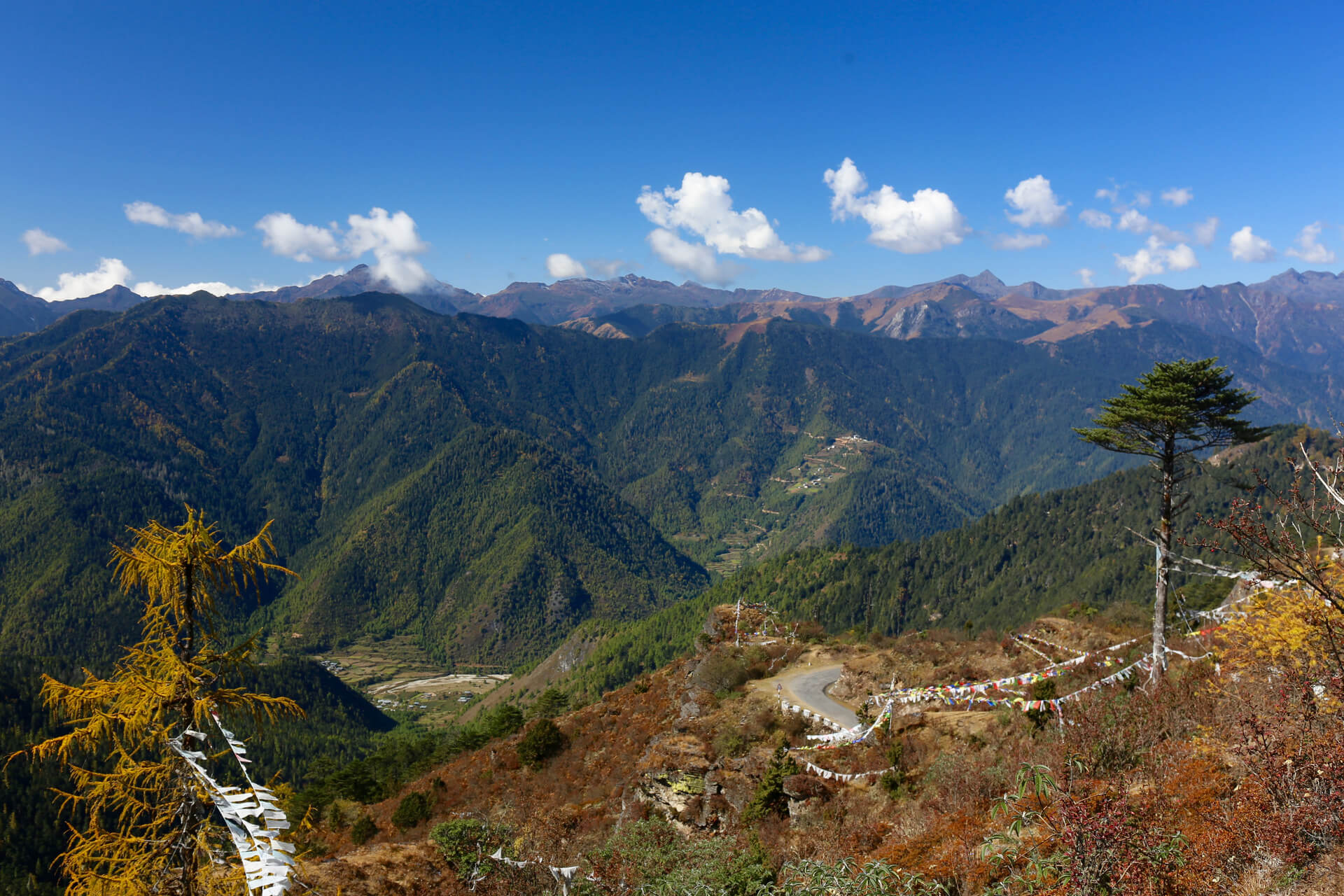
Visitors to Bhutan experience carefully managed tourism that emphasizes meaningful cultural exchanges, conservation, and authentic local encounters rather than overcrowded attractions. From centuries-old monasteries perched on Himalayan cliffs to remote mountain villages where traditional lifestyles remain largely unchanged, the country’s tourism approach seeks to preserve what makes Bhutan truly unique.
Two Countries with Remarkably Similar Values
Although Vietnam and Bhutan differ greatly in size and geography, they share many common strengths that naturally support closer tourism cooperation.
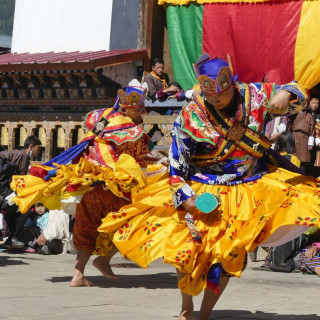
Both countries possess rich Buddhist traditions that continue to influence local customs, architecture, festivals, and daily life. Ancient temples, monasteries, and sacred sites remain important cultural landmarks that attract travelers seeking spiritual and cultural experiences.
Beyond their religious heritage, Vietnam and Bhutan are also home to remarkable ethnic diversity. Traditional villages, local craftsmanship, regional cuisines, and centuries-old customs remain central to the visitor experience in both countries.
Community-based tourism has become another area where the two nations share similar ambitions.
Vietnam currently boasts five villages recognised by UN Tourism as “Best Tourism Villages,” demonstrating its commitment to preserving local culture while creating sustainable economic opportunities for rural communities. Likewise, Bhutan has long encouraged tourism initiatives that directly benefit local families, support traditional livelihoods, and protect cultural heritage for future generations.
Learning from Each Other’s Success
The meeting was not simply a diplomatic exchange—it represented an opportunity for both countries to share practical experience in managing sustainable tourism.
Vietnam is interested in learning from Bhutan’s internationally recognised approach to destination management, while Bhutan can gain valuable insights from Vietnam’s success in developing community tourism across diverse regions of the country.
As part of their visit, the Bhutanese delegation will explore several notable destinations in Vietnam, including Lo Lo Chai Village in Tuyen Quang Province, one of UN Tourism’s Best Tourism Villages. The visit will provide first-hand examples of how community tourism can preserve traditional culture while improving local livelihoods through responsible visitor experiences.
Such exchanges allow tourism professionals from both countries to observe successful projects on the ground and identify ideas that can be adapted to their own destinations.
Expanding Tourism Cooperation
Several initiatives were proposed during the discussions to strengthen bilateral tourism relations.
Among the priorities are the exploration of a Memorandum of Understanding (MoU) on tourism cooperation, increased exchanges of familiarisation trips for tourism professionals and journalists, closer collaboration on destination marketing, and greater sharing of tourism management expertise.
The two sides also discussed the long-term possibility of establishing direct air connections between Vietnam and Bhutan when conditions become favourable. While no timeline has been announced, improved air connectivity would significantly simplify travel between the two countries and encourage greater visitor exchanges.
Currently, Bhutan welcomes approximately 2,000 Vietnamese visitors each year, the majority travelling for spiritual or cultural purposes. Both governments hope to increase this number through stronger cooperation and greater awareness of what each destination has to offer.
What This Means for Future Travelers
For travelers, the strengthening relationship between Vietnam and Bhutan is encouraging news.
Greater cooperation could eventually lead to improved travel connections, more joint promotional initiatives, and increased awareness of both destinations among international visitors. More importantly, it reinforces a shared commitment to tourism that values authenticity over mass tourism and cultural preservation over rapid development.
Travelers increasingly seek destinations where tourism contributes positively to local communities rather than overwhelming them. Both Vietnam and Bhutan are demonstrating that sustainable tourism is not simply about protecting the environment—it is also about safeguarding traditions, supporting local economies, and creating meaningful experiences for visitors.
Discover Bhutan’s Sustainable Tourism Philosophy
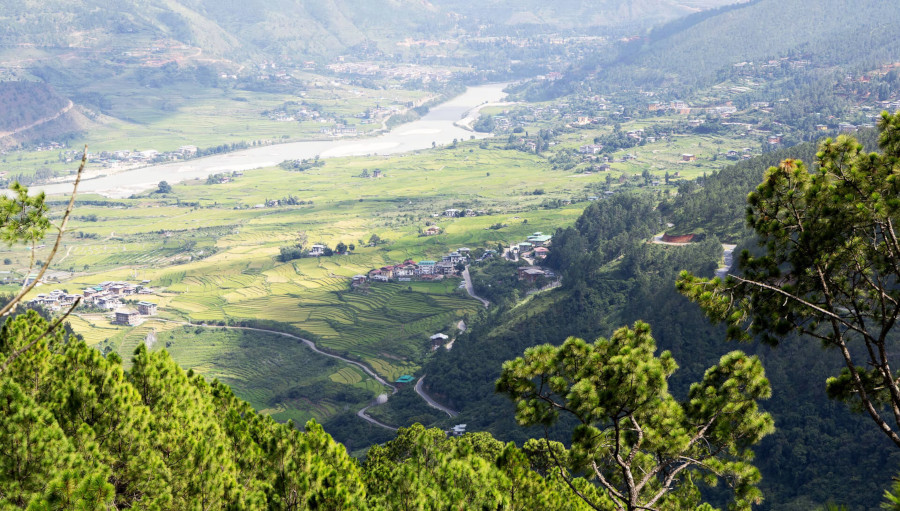
Bhutan has become internationally recognised for proving that tourism can support economic development while preserving cultural identity and protecting natural landscapes.
The recent discussions between Bhutan and Vietnam demonstrate that this approach is inspiring destinations across Asia that share similar ambitions for responsible tourism.
For those wishing to experience Bhutan’s unique philosophy firsthand, Across Bhutan creates tailor-made journeys that showcase the country’s extraordinary heritage, breathtaking Himalayan scenery, vibrant traditions, and welcoming local communities—all while respecting the principles of sustainable tourism that have made Bhutan a global model for responsible travel.