Bhutan is often celebrated for its majestic Himalayan landscapes, ancient monasteries, and unique culinary traditions featuring fiery chilies, red rice, and creamy datshi dishes. Yet beyond these iconic flavors lies another delicious side of the Kingdom of the Thunder Dragon: its incredible variety of fresh fruits.
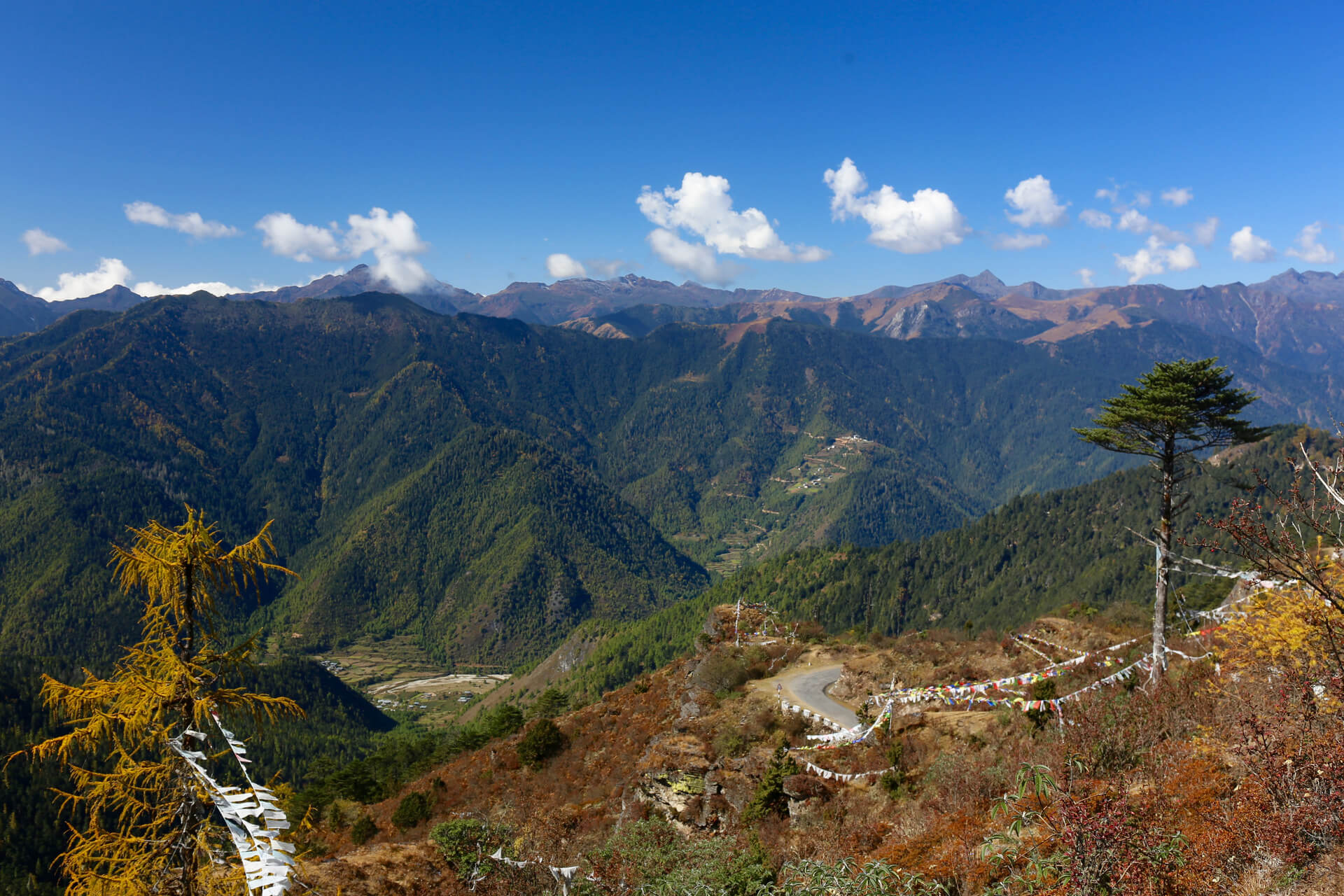
Thanks to Bhutan’s dramatic changes in altitude—from subtropical valleys less than 200 meters above sea level to alpine regions rising above 7,000 meters—the country enjoys an exceptional diversity of climates. This allows farmers to cultivate everything from sweet mangoes, bananas, and pineapples in the south to crisp apples, juicy peaches, and fragrant pears in the cooler mountain valleys.
Unlike many commercial fruit-producing countries, Bhutan’s agriculture remains largely small-scale and seasonal. Family-owned orchards, village farms, and local markets dominate production, while traditional farming methods and limited pesticide use contribute to fruit that is often praised for its freshness and natural flavor.
Have you ever wondered:
- What fruits are grown in Bhutan?
- Which fruits are unique to different regions?
- When is the best season to enjoy fresh local produce?
- Which Bhutanese fruits should every traveler taste?
Whether you’re wandering through the colorful Centenary Farmers’ Market in Thimphu, stopping at roadside stalls during a scenic drive through Punakha, or visiting family orchards in Paro and Bumthang, tasting seasonal fruit is one of the simplest—and most authentic—ways to experience everyday life in Bhutan.
At Across Bhutan, we encourage travelers to discover Bhutan beyond its famous landmarks by exploring local markets, meeting farmers, and enjoying the seasonal produce that reflects the country’s rich agricultural heritage.
Why Does Bhutan Produce Such a Wide Variety of Fruits?

Although Bhutan is only about the size of Switzerland, its geography creates one of the most diverse agricultural environments in Asia.
The country stretches from the humid plains bordering India to the snow-covered peaks of the Eastern Himalayas, with altitude rising from around 100 meters to more than 7,500 meters within less than 200 kilometers. These dramatic elevation changes create several distinct climate zones, each supporting different types of fruit cultivation.
Southern Bhutan: Tropical & Subtropical Fruits
The warm southern districts, including Sarpang, Samtse, Chukha, and Samdrup Jongkhar, enjoy a subtropical climate with abundant rainfall and long growing seasons.
Here you’ll find:
- Bananas
- Mangoes
- Pineapples
- Papayas
- Guavas
- Passion fruit
- Citrus fruits
Roadside fruit stalls are particularly common during the summer months, when freshly harvested tropical fruit is sold directly by local farmers.
Central Bhutan: Temperate Orchards
The valleys of Paro, Thimphu, Punakha, Wangdue Phodrang, and Bumthang experience milder temperatures that are ideal for orchard farming.
These regions are renowned for producing:
- Apples
- Pears
- Peaches
- Plums
- Cherries (small quantities)
- Strawberries
Many villages are surrounded by family-owned orchards that have supplied local markets for generations.
Northern Bhutan: Alpine Meadows & Wild Berries
The highest Himalayan regions are generally too cold for commercial fruit cultivation. However, alpine meadows and forests are home to a variety of wild berries and edible plants that have long been gathered by local communities.
Although visitors are unlikely to find commercial orchards here, these remote ecosystems contribute to Bhutan’s remarkable biodiversity and traditional knowledge of wild foods.
A Naturally Seasonal Harvest
Unlike many countries where imported produce is available year-round, Bhutan still follows the rhythm of the seasons.
This means that apples are best enjoyed in autumn, strawberries appear during spring, peaches arrive in summer, and sweet oranges brighten local markets throughout winter.
For travelers, this seasonality makes every visit slightly different. Exploring a Bhutanese market in April offers a completely different culinary experience from visiting in October or January, allowing you to discover fresh produce at its very best.
Farming with Nature
Bhutan has long promoted environmentally responsible agriculture and has earned international recognition for its commitment to sustainable development. Many fruit farms continue to rely on traditional cultivation methods, natural fertilizers, and careful water management rather than intensive industrial farming.
Combined with the country’s clean mountain air, fertile valleys, and abundant freshwater, these practices contribute to fruit that is prized for its natural taste rather than its appearance.
For many visitors, sampling freshly picked apples in Paro, enjoying a basket of sweet oranges in winter, or tasting ripe mangoes from the southern foothills becomes one of the unexpected highlights of traveling through Bhutan.
Bhutan’s Most Popular Fruits
Bhutan’s remarkable geography allows an impressive variety of fruits to flourish across the country. From the subtropical plains bordering India to the cool mountain valleys of Paro and Bumthang, each region produces seasonal specialties that reflect its unique climate and agricultural traditions.
Many Bhutanese families grow fruit in small orchards or home gardens, while local markets overflow with freshly harvested produce during the peak season. Here are some of the fruits you shouldn’t miss during your journey through the Kingdom of the Thunder Dragon.
🍎 Apples – Bhutan’s Most Famous Orchard Fruit

Where it’s grown: Paro, Bumthang, Haa, Thimphu, Wangdue Phodrang
Season: August to October
Without question, apples are Bhutan’s best-known fruit. Thanks to the cool mountain climate, orchards thrive throughout western and central Bhutan, particularly in the valleys of Paro and Bumthang, where apples have become an important source of income for local farming communities.
Bhutanese apples are known for their crisp texture, balanced sweetness, and refreshing flavor. During harvest season, roadsides are lined with stalls selling freshly picked fruit directly from family orchards.
Apples are enjoyed:
- Fresh as a snack
- Pressed into fresh juice
- Made into homemade cider
- Used in jams, pies, and desserts
- Dried for later consumption
Traveler tip: If you visit Bhutan in September or October, don’t miss the opportunity to stop at a roadside orchard. Many farmers are happy to sell fruit picked only hours earlier.
🍊 Oranges – The Sweet Taste of Bhutanese Winter
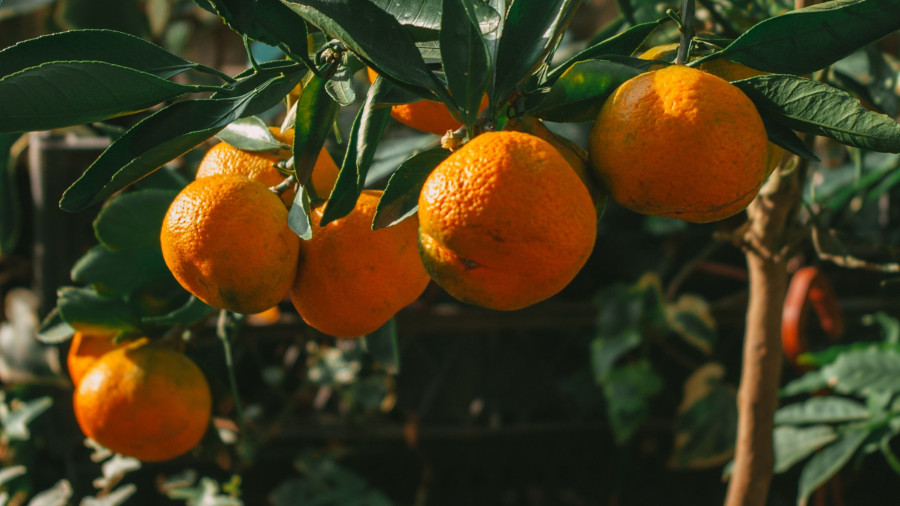
Where it’s grown: Samtse, Sarpang, Tsirang, Dagana, Chukha
Season: December to February
As winter arrives, Bhutan’s southern valleys burst into shades of orange.
The country’s citrus orchards produce exceptionally sweet oranges thanks to the warm subtropical climate and abundant sunshine. Bhutan exports part of its orange harvest to neighboring India, while the freshest fruit fills local markets throughout the country.
Freshly squeezed orange juice is common during the harvest season, and visitors will often find baskets overflowing with citrus fruit along the highways leading north toward Thimphu and Punakha.
Oranges are commonly enjoyed:
- Fresh
- As juice
- In fruit salads
- As gifts during the winter season
🍌 Bananas – A Tropical Staple
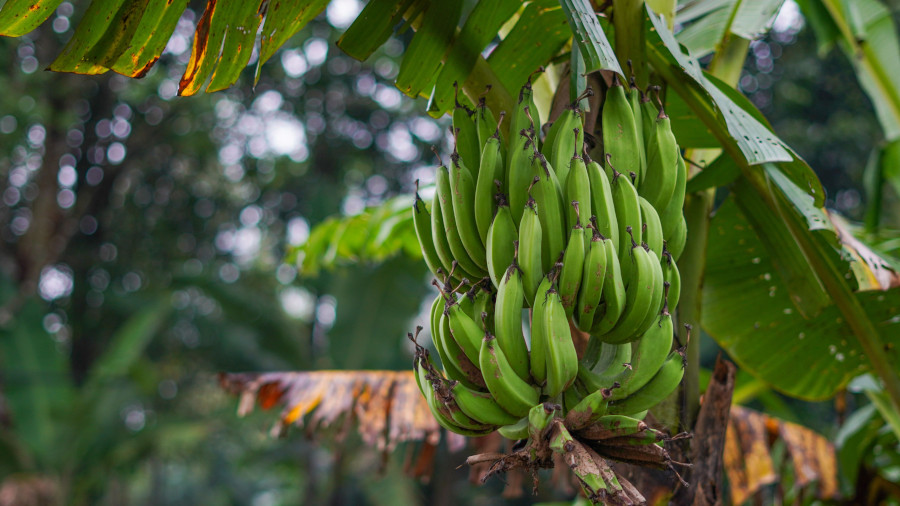
Where it’s grown: Samtse, Sarpang, Chukha, Samdrup Jongkhar
Season: Available year-round
Although Bhutan is famous for its mountains, the country’s subtropical south produces an impressive variety of tropical fruits, with bananas among the most common. They grow abundantly in home gardens and small family farms, requiring relatively little maintenance in Bhutan’s warm, humid climate.
Several varieties are cultivated, ranging from small, exceptionally sweet bananas to larger cooking bananas used in traditional recipes. They’re a popular everyday fruit, enjoyed by locals as a quick breakfast, afternoon snack, or energy boost while working in the fields.
Bananas are enjoyed:
- Fresh
- In fruit smoothies
- With breakfast
- In homemade desserts
- As a healthy snack while traveling
Traveler tip: Bananas are available almost everywhere in Bhutan and are a convenient snack to take along on scenic drives or short hikes.
🥭 Mangoes – Summer’s Sweetest Treat
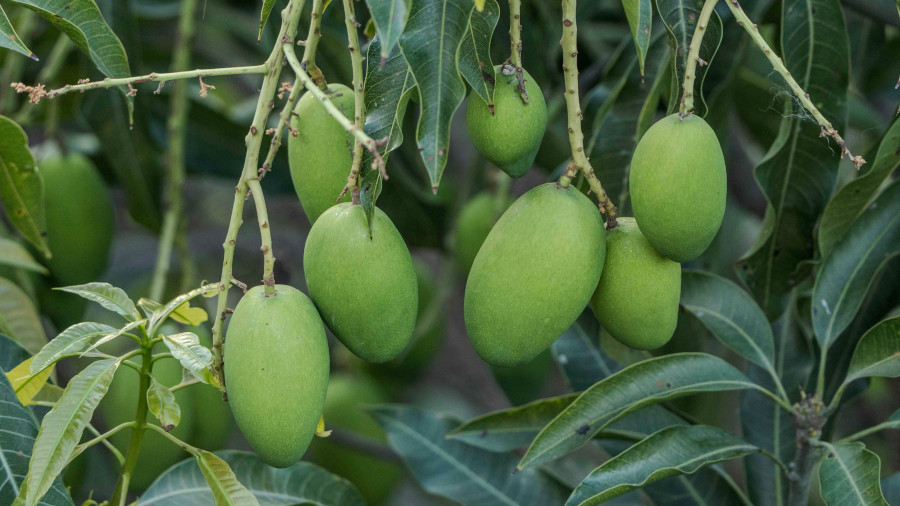
Where it’s grown: Samdrup Jongkhar, Sarpang, Samtse
Season: May to July
The arrival of summer brings one of Bhutan’s sweetest seasonal treats: ripe mangoes. While production is modest compared with neighboring India, locally grown Bhutanese mangoes are highly appreciated for their fragrant aroma, juicy flesh, and naturally rich flavor.
Most mangoes are grown in the country’s southern lowlands, where the warm climate allows the trees to flourish. During harvest season, you’ll frequently spot roadside vendors selling freshly picked fruit, often harvested from nearby orchards only a few hours earlier.
Mangoes are enjoyed:
- Fresh
- In smoothies
- As refreshing fruit juices
- In desserts
- Added to fruit salads
Traveler tip: If you’re visiting Bhutan in early summer, don’t miss the chance to buy mangoes from local farmers—few experiences are as refreshing after a warm day of sightseeing.
🍐 Pears – Crisp Mountain Freshness
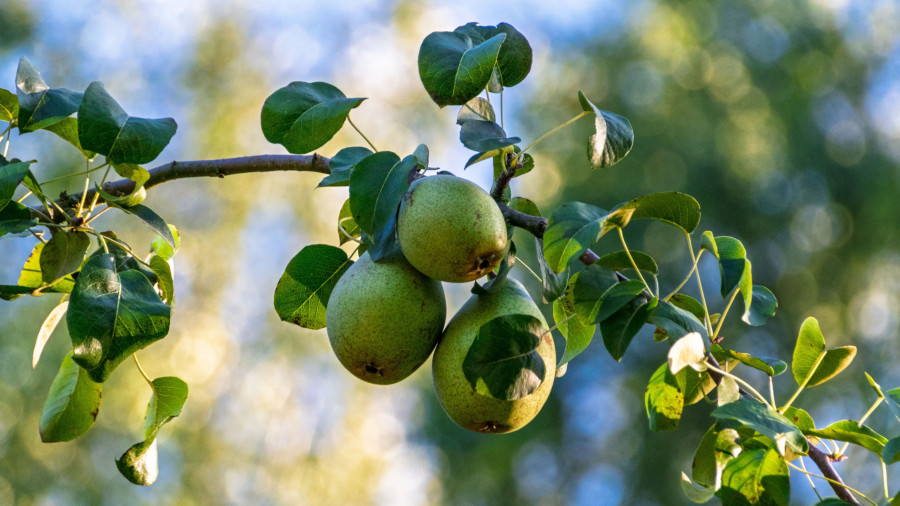
Where it’s grown: Paro, Bumthang, Haa
Season: August to September
Pears thrive in Bhutan’s cool mountain valleys alongside apple orchards, benefiting from the same fresh air and fertile soils. Although they receive less attention than apples, Bhutanese pears are prized for their crisp texture, delicate sweetness, and refreshing juiciness.
Most production comes from small family orchards, where trees have often been cultivated for generations. During late summer, pears appear in village markets and roadside stalls throughout western Bhutan.
Pears are enjoyed:
- Fresh
- In fruit salads
- Made into jams
- Baked into desserts
- As a healthy afternoon snack
Traveler tip: Pair fresh pears with locally produced Bhutanese cheese for a simple but delicious snack inspired by local flavors.
🍑 Peaches – One of Bhutan’s Summer Delights
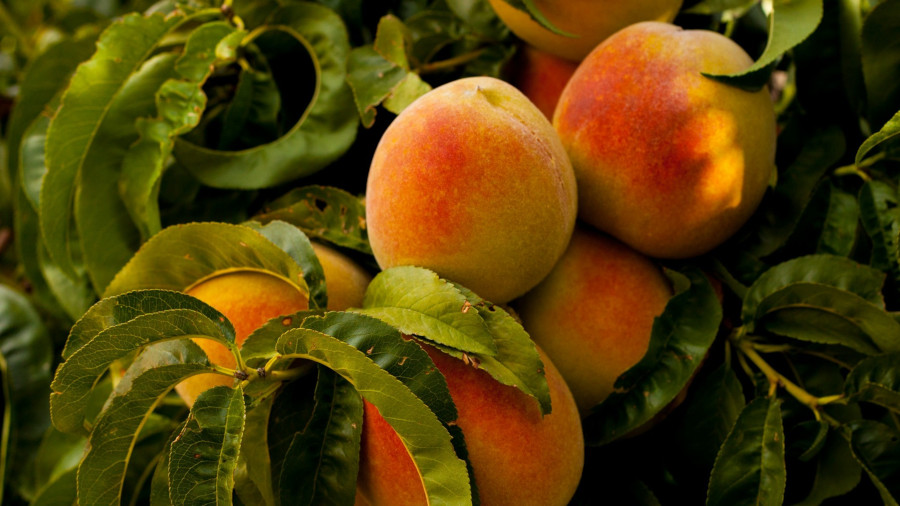
Where it’s grown: Paro, Bumthang, Wangdue Phodrang
Season: July to August
Summer is peach season in Bhutan, when orchards fill with fragrant fruit ripening under warm Himalayan sunshine. Bhutanese peaches are often smaller than commercial varieties but are celebrated for their exceptional sweetness and intense aroma.
Many rural households grow peach trees in their gardens, and fresh fruit is widely available in local markets throughout the harvest period. Because the fruit is highly seasonal, enjoying peaches during the summer months is a special treat for visitors.
Peaches are enjoyed:
- Fresh
- In homemade jams
- Added to desserts
- Blended into juices
- Dried for later use
Traveler tip: Village markets in Paro and Bumthang are excellent places to buy freshly picked peaches directly from local growers.
🍑 Plums – Sweet and Slightly Tangy

Where it’s grown: Paro, Bumthang, Wangdue Phodrang
Season: July to August
Plum trees are commonly found in orchards and home gardens throughout central Bhutan. Their fruit ranges from pleasantly tart to beautifully sweet, depending on the variety, making them a favorite during the height of summer.
Because plums have a relatively short harvesting season, they are best enjoyed fresh. Many families also preserve them by making homemade jams and fruit preserves to enjoy throughout the year.
Plums are enjoyed:
- Fresh
- In jams
- In homemade preserves
- Baked into desserts
- As seasonal snacks
Traveler tip: Visit a local farmers’ market during July or August to sample freshly harvested Bhutanese plums at their peak.
🍓 Strawberries – A Springtime Favorite
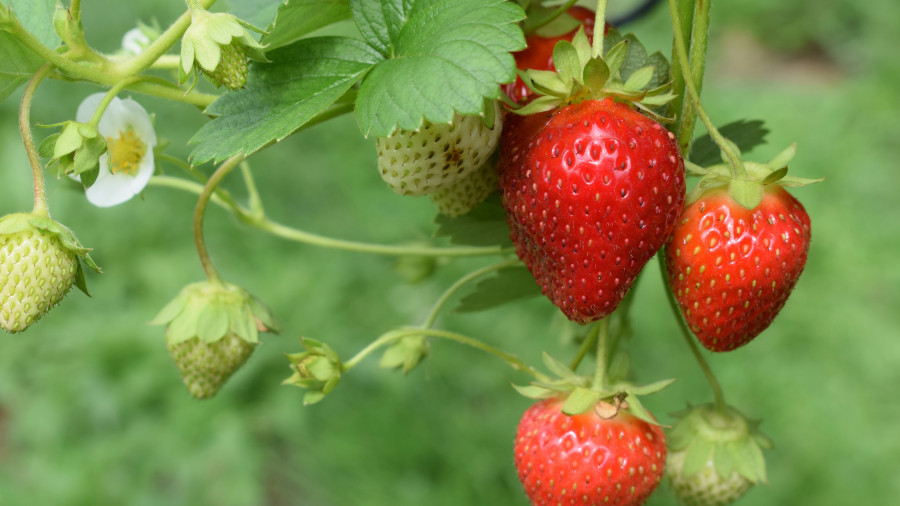
Where it’s grown: Paro Valley, Thimphu Highlands
Season: March to May
One of the first signs of spring in Bhutan is the arrival of fresh strawberries. Thanks to the cool mountain climate, the berries develop a rich aroma and natural sweetness that make them particularly popular among both locals and visitors.
Small strawberry farms around Paro have become increasingly popular in recent years, with some welcoming visitors during the harvest season. Fresh strawberries often appear in cafés, homemade desserts, and local markets throughout spring.
Strawberries are enjoyed:
- Fresh
- With yogurt
- In homemade jams
- In cakes and pastries
- Blended into milkshakes
Traveler tip: Spring is the perfect season to enjoy fresh Bhutanese strawberries while exploring the Paro Valley.
🍊 Persimmons – Bhutan’s Autumn Treasure
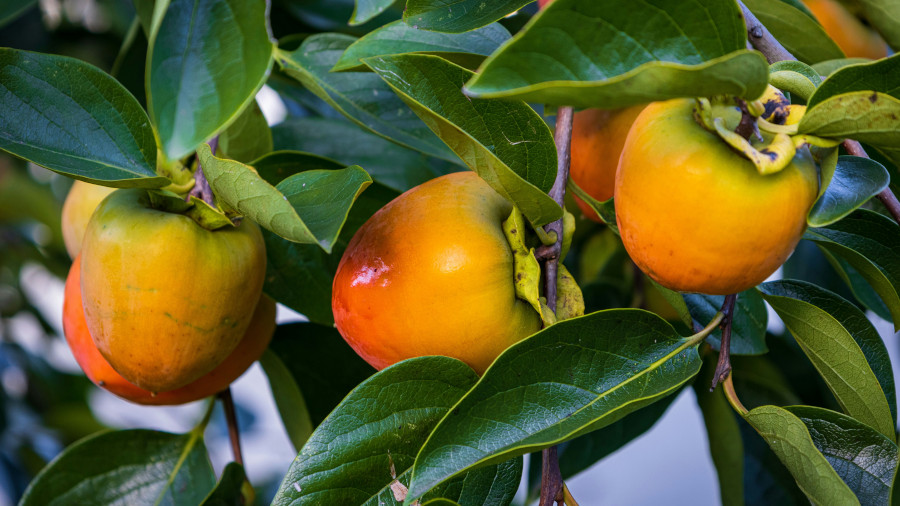
Where it’s grown: Paro, Punakha, Bumthang, Haa
Season: October to November
As autumn colors transform Bhutan’s valleys, persimmons become one of the season’s most distinctive fruits. Bright orange and naturally sweet, they are harvested from village orchards throughout western and central Bhutan.
Depending on the variety, persimmons may be enjoyed while still firm or left to ripen until they become exceptionally soft and almost honey-like. In some villages, they are also dried naturally to preserve them through the winter months.
Persimmons are enjoyed:
- Fresh
- Dried
- In desserts
- With tea
- As autumn snacks
Traveler tip: Autumn road trips through Paro and Punakha often reveal persimmon trees heavy with fruit, creating beautiful seasonal scenery.
🍍 Pineapples – Tropical Flavor from the South
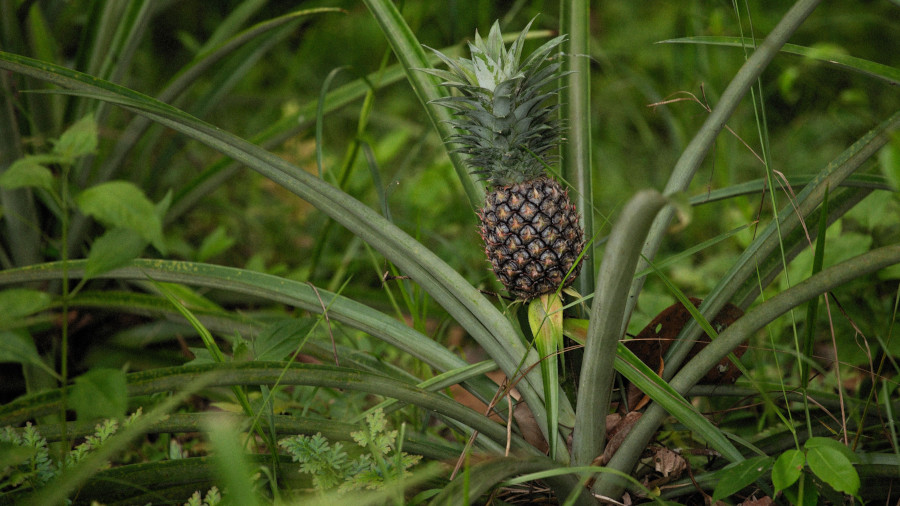
Where it’s grown: Samtse, Sarpang, Chukha
Season: June to August
The warm, humid climate of southern Bhutan provides ideal conditions for growing sweet and fragrant pineapples. Although production remains relatively small compared to neighboring tropical countries, locally grown pineapples are highly appreciated for their juicy flesh and naturally balanced sweetness.
During the summer harvest, pineapples are commonly sold at roadside fruit stalls and local markets, often picked just a day or two before reaching consumers. Their refreshing taste makes them especially popular during Bhutan’s warmer months.
Pineapples are enjoyed:
- Fresh
- In freshly squeezed juices
- Added to fruit salads
- In homemade desserts
- As a refreshing roadside snack
Traveler tip: If you’re entering Bhutan through Phuentsholing during the summer, keep an eye out for roadside vendors selling freshly harvested pineapples at very reasonable prices.
🥭 Papayas – A Healthy Everyday Fruit
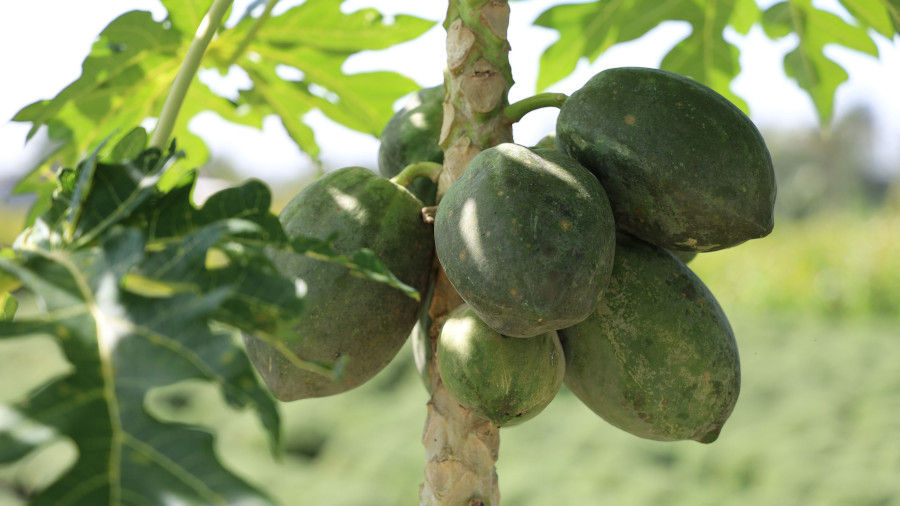
Where it’s grown: Samdrup Jongkhar, Sarpang, Samtse
Season: Available throughout most of the year
Papaya trees are a familiar sight in southern Bhutan, growing in home gardens, small farms, and village courtyards. Thanks to the country’s subtropical climate, the fruit can be harvested during much of the year, making it a common part of the local diet.
Known for its soft texture and natural sweetness, papaya is also valued for its nutritional benefits and digestive properties. It is frequently served at breakfast or enjoyed as a light dessert after meals.
Papayas are enjoyed:
- Fresh
- At breakfast
- In fruit salads
- Blended into smoothies
- As a healthy dessert
Traveler tip: Many guesthouses in southern Bhutan include fresh papaya in their breakfast buffet when the fruit is in season.
🥑 Avocados – An Emerging Bhutanese Crop
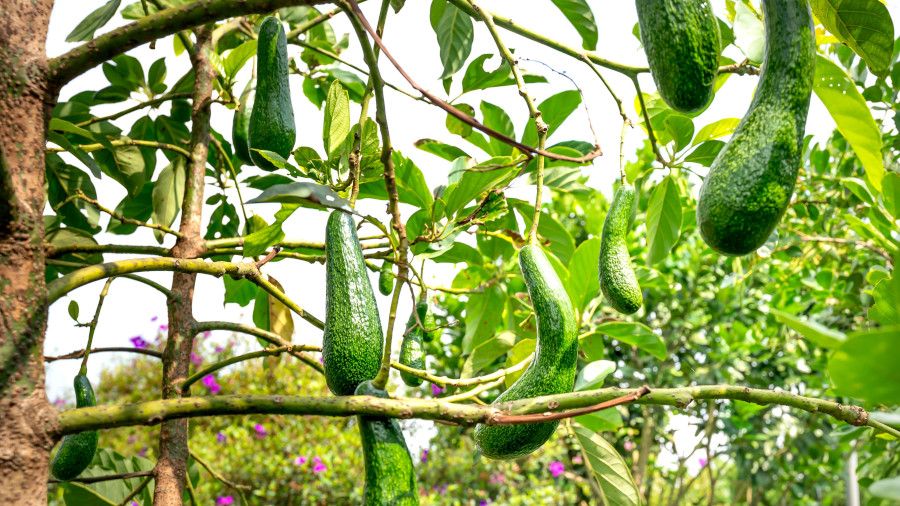
Where it’s grown: Paro, Punakha, Tsirang, southern Bhutan
Season: September to December
Although avocados are a relatively recent addition to Bhutanese agriculture, they have become increasingly popular among local farmers thanks to favorable growing conditions in several temperate and subtropical regions.
Their creamy texture and rich nutritional value have also made them a favorite ingredient in cafés and restaurants catering to health-conscious travelers. While production remains modest, locally grown avocados are becoming easier to find in farmers’ markets throughout autumn.
Avocados are enjoyed:
- Fresh in salads
- Spread on toast
- In sandwiches
- Blended into smoothies
- With eggs for breakfast
Traveler tip: Visit the Centenary Farmers’ Market in Thimphu during autumn to find locally grown avocados alongside many other seasonal fruits.
🍈 Guavas – Fragrant and Refreshing
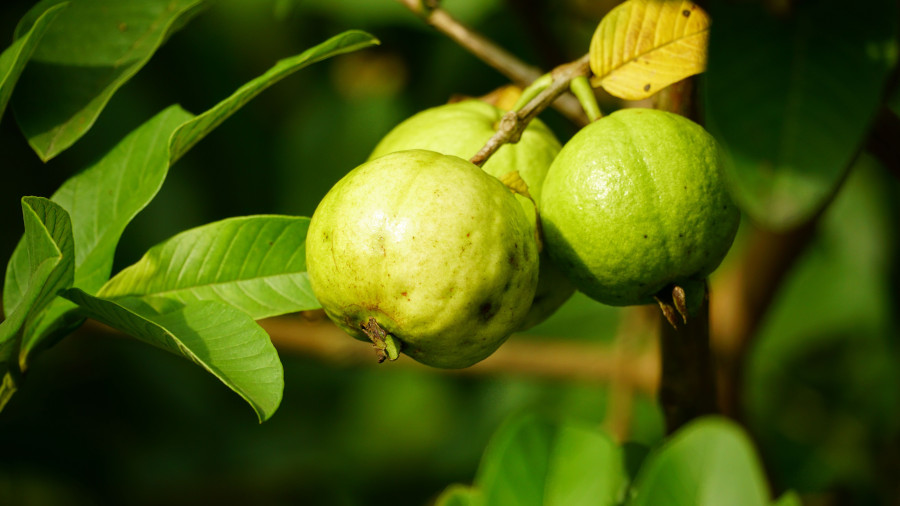
Where it’s grown: Southern Bhutan
Season: August to October
Guava trees thrive in Bhutan’s warmer southern districts, producing aromatic fruits with a distinctive floral fragrance and sweet, slightly tangy flavor. Although less well known than oranges or mangoes, guavas are widely appreciated by local families and are commonly found in village gardens.
Fresh guavas are often sold in local markets, while some households transform the fruit into juices, jams, and preserves.
Guavas are enjoyed:
- Fresh
- Juiced
- Made into jams
- Added to fruit salads
- As a healthy snack
Traveler tip: Guavas are particularly fragrant when fully ripe, making them easy to spot while exploring local markets during late summer.
🍇 Passion Fruit – A Growing Favorite
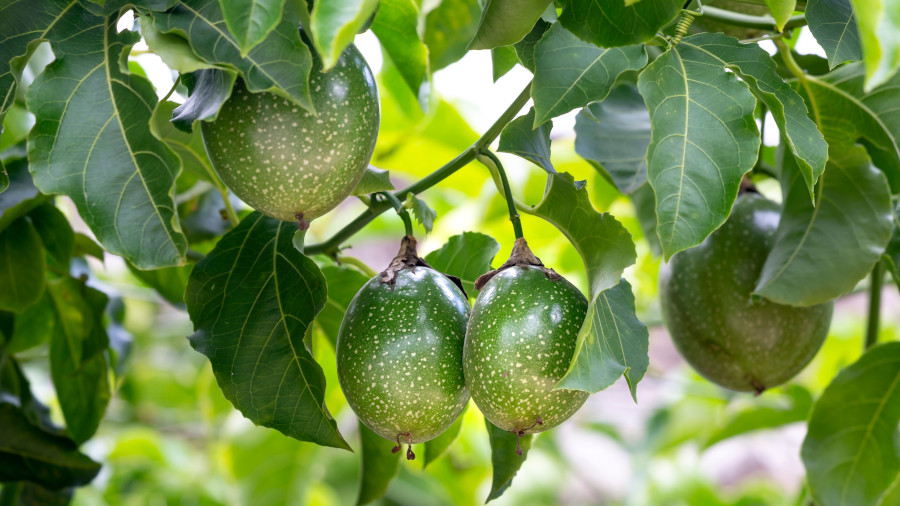
Where it’s grown: Samtse, Chukha, southern Bhutan
Season: July to October
Passion fruit cultivation has expanded steadily in Bhutan over recent years, particularly in the country’s warmer southern districts. The climbing vines produce vibrant purple fruits with a pleasantly tart flavor that is both refreshing and aromatic.
Its unique taste makes passion fruit increasingly popular in cafés, where it is used in juices, desserts, and homemade syrups.
Passion fruit is enjoyed:
- Fresh
- In fruit juices
- Mixed into yogurt
- In desserts
- Made into syrups and jams
Traveler tip: If you enjoy tropical flavors, don’t hesitate to try freshly prepared passion fruit juice at local cafés during the harvest season.
🍒 Cherries – A Rare Highland Treat
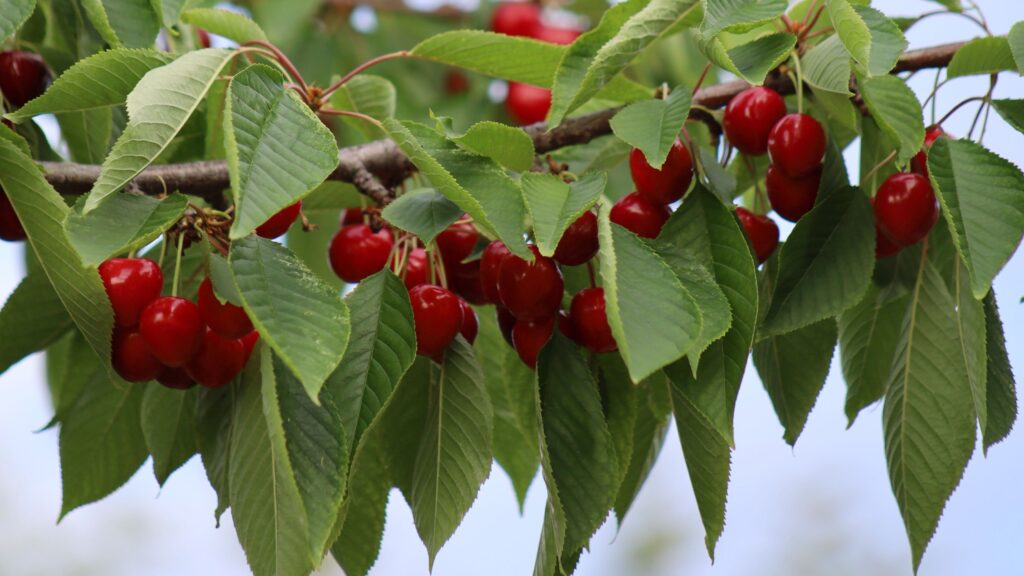
Where it’s grown: Paro, Bumthang
Season: Late May to June
Although produced in relatively small quantities, cherries are among Bhutan’s most delightful seasonal fruits. Cool mountain temperatures allow the trees to produce firm, sweet cherries that are eagerly awaited by local residents each year.
Because harvest volumes are limited, cherries are rarely exported or widely distributed. Instead, they are mostly sold directly by growers in local markets, making them a special treat for visitors lucky enough to arrive during the short harvest season.
Cherries are enjoyed:
- Fresh
- In homemade desserts
- Added to cakes
- Made into preserves
- As seasonal snacks
Traveler tip: Cherries have one of the shortest harvest seasons in Bhutan, so if you’re visiting in late spring, don’t miss the opportunity to sample this rare local delicacy.
| Fruit | Best Season | Main Region | Best Way to Enjoy |
|---|---|---|---|
| 🍎 Apple | Aug–Oct | Paro, Bumthang | Fresh, cider, juice |
| 🍊 Orange | Dec–Feb | Southern Bhutan | Fresh, juice |
| 🥭 Mango | May–Jul | Southern Bhutan | Fresh |
| 🍓 Strawberry | Mar–May | Paro | Fresh, desserts |
| 🍑 Peach | Jul–Aug | Paro, Bumthang | Fresh |
| 🍐 Pear | Aug–Sep | Paro, Haa | Fresh |
| 🍊 Persimmon | Oct–Nov | Western Bhutan | Fresh or dried |
| 🍍 Pineapple | Jun–Aug | Southern Bhutan | Fresh, juice |
| 🥭 Papaya | Year-round | Southern Bhutan | Breakfast, dessert |
| 🥑 Avocado | Sep–Dec | Central & South | Salads |
| 🍈 Guava | Aug–Oct | Southern Bhutan | Fresh |
| 🍇 Passion Fruit | Jul–Oct | Southern Bhutan | Juice |
| 🍒 Cherry | May–Jun | Paro, Bumthang | Fresh |
This diversity of fruit reflects Bhutan’s extraordinary geography and changing seasons. Whether you’re enjoying tropical mangoes in the southern foothills or biting into a crisp mountain apple in Paro, each region offers its own unique flavors and agricultural traditions that enrich the experience of traveling through Bhutan.
Wild Fruits Found in Bhutan
Beyond its orchards and cultivated farms, Bhutan’s forests and mountain valleys are home to a surprising variety of wild fruits that have been gathered by local communities for centuries. Many of these fruits grow naturally in remote areas and have long played an important role in rural diets and traditional medicine.
During walks through Bhutan’s forests, villagers may collect wild berries, mulberries, Himalayan raspberries, figs, and edible crab apples depending on the season. While some are eaten fresh, others are transformed into homemade jams, herbal infusions, or traditional remedies.
Several wild fruits are also valued for their medicinal properties in Bhutanese traditional medicine, where plants have been used for generations to promote digestion, strengthen the immune system, or treat minor ailments.
Visitors are unlikely to encounter these fruits in supermarkets, but they may discover them at village markets or while hiking with local guides who can explain their traditional uses.
Traveler tip: Never pick wild fruits without the guidance of a local expert. While many are edible, some Himalayan plants can easily be mistaken for toxic species.
Where to Buy Fresh Fruit in Bhutan
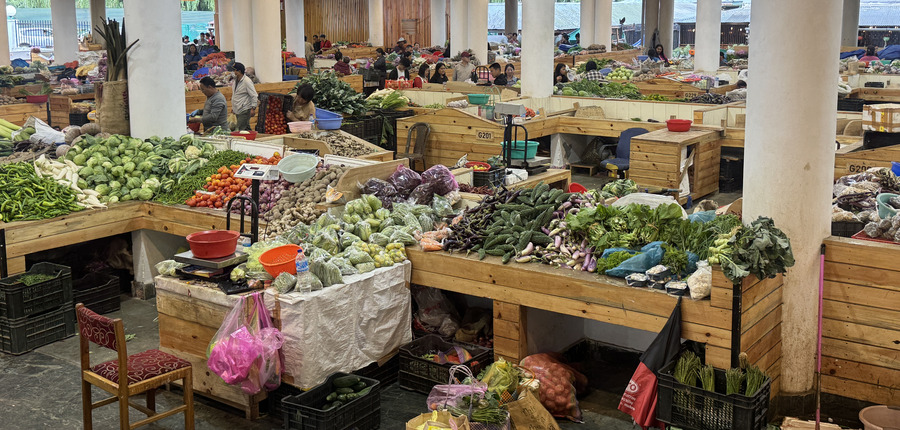
One of the best ways to experience Bhutanese daily life is by exploring its vibrant farmers’ markets. Rather than purchasing fruit in supermarkets, locals generally buy directly from producers who bring freshly harvested produce from nearby villages.
Centenary Farmers’ Market (Thimphu)
The country’s largest fresh produce market is a must-visit for food lovers. Every weekend, hundreds of farmers gather to sell seasonal fruits, vegetables, herbs, spices, cheese, and other local products. Depending on the season, visitors can find everything from apples and strawberries to oranges and mangoes.
Paro Market
Smaller than Thimphu’s market but equally charming, Paro Market is an excellent place to discover fruit grown in the surrounding orchards. During autumn, apples and pears dominate the stalls, while spring brings fresh strawberries.
Roadside Fruit Stalls
One of Bhutan’s greatest pleasures is stopping at small roadside stalls while driving between valleys. Farmers often sell fruit harvested that very morning, allowing travelers to enjoy exceptionally fresh produce while supporting local families.
Village Markets
Outside the main tourist destinations, small village markets offer a more authentic glimpse into everyday Bhutanese life. Here, the selection changes constantly depending on the local harvest, making each visit unique.
How Bhutanese Fruits Are Used
Fresh fruit is naturally enjoyed on its own, but Bhutanese households have developed many other ways to make use of seasonal harvests.
Apples, peaches, and plums are commonly transformed into homemade jams and preserves that can be enjoyed throughout the year. Citrus fruits are pressed into refreshing juices or made into marmalades, while strawberries often appear in desserts, cakes, and yogurt.
Some fruits are dried naturally to extend their shelf life, particularly persimmons and apples. Dried fruit provides an important source of nutrition during the colder months when fresh produce becomes less abundant.
Fruit also plays an important role during festivals and family gatherings, where beautifully arranged fruit baskets are often presented as gifts or offerings. In many Bhutanese homes, sharing seasonal fruit with guests is considered a simple gesture of hospitality and generosity.
More recently, cafés and restaurants throughout Thimphu and Paro have begun incorporating local fruit into smoothies, fresh juices, homemade desserts, and even artisanal ciders and preserves, giving travelers even more opportunities to discover Bhutan’s agricultural diversity.
Organic Farming & Sustainable Agriculture
Bhutan has earned worldwide recognition for its commitment to environmental conservation, and agriculture is no exception. While the country has ambitious long-term goals of expanding organic farming, many fruit growers already rely on traditional cultivation methods that emphasize soil health, biodiversity, and minimal chemical inputs.
Most orchards remain relatively small and family-operated, with knowledge passed down through generations. Rather than focusing on intensive industrial production, many farmers prioritize quality, freshness, and sustainability.
Buying locally grown fruit also supports rural communities, helping preserve traditional farming practices while reducing transportation and food waste. For visitors, choosing seasonal Bhutanese produce is one of the easiest ways to contribute to responsible tourism and experience authentic local flavors.
Tips for Fruit Lovers Visiting Bhutan
To make the most of Bhutan’s seasonal harvests, keep these simple tips in mind:
- Visit local farmers’ markets whenever possible instead of supermarkets.
- Buy fruit that is currently in season for the freshest flavor.
- Stop at roadside stalls to support local farming families.
- Ask your guide about nearby orchards or fruit-growing villages.
- Wash fresh fruit before eating, especially when purchased from open-air markets.
- Always ask permission before picking fruit from private orchards or village gardens.
- Don’t hesitate to try varieties you’ve never seen before—many are local cultivars rarely found outside Bhutan.
Conclusion

Bhutan’s fruits tell a story that goes far beyond agriculture. They reflect the country’s remarkable geography, changing seasons, traditional farming methods, and deep connection with nature. From crisp apples harvested in the cool valleys of Paro and Bumthang to sweet oranges ripening beneath the subtropical sun of southern Bhutan, every region offers its own unique flavors waiting to be discovered.
For travelers, exploring Bhutan through its seasonal produce is one of the most authentic ways to connect with local life. A simple visit to a village market, a roadside fruit stall, or a family orchard often leads to conversations with farmers, unexpected discoveries, and unforgettable culinary experiences that rarely appear in traditional travel guides.
At Across Bhutan, we believe that the best journeys are those that engage all the senses. Whether you’re wandering through colorful farmers’ markets, sampling fruit picked just hours earlier, or discovering the country’s regional specialties, we’ll help you experience the authentic flavors of the Kingdom of the Thunder Dragon.
Frequently Asked Questions
What is the most popular fruit in Bhutan?
Apples are widely considered Bhutan’s most famous fruit thanks to the country’s extensive orchards in Paro, Bumthang, and Haa. During autumn, freshly harvested apples are sold throughout the country and are among Bhutan’s best-known agricultural products.
What fruits are grown in Bhutan?
Bhutan produces a wide variety of fruits, including apples, oranges, bananas, mangoes, pears, peaches, plums, strawberries, persimmons, pineapples, papayas, avocados, guavas, passion fruit, and cherries. The diversity is made possible by the country’s dramatic changes in altitude and climate.
When is apple season in Bhutan?
Apple season generally runs from August to October, with September often being the peak harvest month. This is one of the best times to visit local orchards and roadside fruit stalls.
Are Bhutanese fruits organic?
Many Bhutanese fruits are grown using traditional farming methods with limited chemical inputs. Although not every farm is officially certified organic, small-scale agriculture and sustainable practices are common throughout the country.
Where can I buy fresh fruit in Bhutan?
The best places include the Centenary Farmers’ Market in Thimphu, Paro Market, village markets, and roadside stalls operated directly by local farmers.
Can visitors tour fruit orchards?
While Bhutan has relatively few commercial agritourism experiences, many family orchards welcome visitors informally during harvest season. Private tours can also include stops at local farms where travelers can learn about traditional fruit cultivation.
What fruit should I try if I’m visiting Bhutan for the first time?
That depends on the season, but fresh apples in autumn, strawberries in spring, mangoes in early summer, and sweet oranges in winter are among the country’s most memorable culinary experiences.