Set beside the Wang Chhu River, the Thimphu Weekend Market is one of the best places to experience everyday life in Bhutan’s capital. Farmers bring produce from different valleys, families shop for the week, and stalls display ingredients that give Bhutanese cooking its distinctive flavours. It is a market to explore slowly: look at the colours, notice the unfamiliar foods, and take time to observe the everyday exchanges between vendors and shoppers.
The market is widely known as the Centenary Farmers Market, while Ka Ja Throm (also written Kaja Throm) refers to the nearby market area associated with local produce and food stalls. Together, these spaces offer a rewarding stop for visitors interested in local food, shopping in Thimphu and the culture behind the products sold here.
Planning tip: the main farmers’ market is traditionally busiest from Friday through Sunday, with Saturday morning a good time to see a broad range of produce. The surrounding market areas may have different operating hours. Because the market has undergone phased renovation and changes to stall locations in 2026, check locally on the day of your visit rather than relying on older opening-hour listings.


Thimphu Weekend Market at a Glance
| Visitor question | What to know |
|---|---|
| What is it called? | Thimphu Weekend Market, Centenary Farmers Market and the nearby Ka Ja Throm area are names visitors may encounter. |
| Where is it? | Beside the Wang Chhu River, close to central Thimphu and Changlimithang Stadium. Open the map. |
| When is the main farmers’ market busiest? | Friday to Sunday; Saturday morning is a useful choice for a first visit. |
| What can you buy? | Fresh produce, fruit, vegetables, chillies, rice, dairy products, dried foods, incense, selected handicrafts and prepared food. |
| How long should you allow? | About 45–90 minutes for a relaxed browse, longer if you plan to eat or explore the adjacent stalls. |
| Are hours fixed? | Not necessarily. Opening times and stall locations can differ between the farmers’ market hall and nearby Ka Ja Throm; verify locally before visiting. |
Opening Days, Hours and the Latest Market Layout
For the classic Thimphu Weekend Market experience, plan around Friday, Saturday or Sunday, when farmers traditionally bring produce from across Bhutan. Saturday morning is especially practical if you want to see the market while it is lively and before moving on to other sights in the capital.
There is an important distinction between the core weekend farmers’ market and the wider Ka Ja Throm area, which includes food stalls and other market activity. Their schedules may not be identical, and online listings sometimes show different hours because they describe different sections of the market.
Current visitor note — October 2026: local reporting in September 2026 described the renovated Centenary Farmers Market reopening while vendors and sections were being reorganised during further works. Some sellers may be found in the main market hall and others in the nearby Ka Ja Throm area. The location of individual stalls and opening hours may change as work progresses, so ask your guide, accommodation or a local vendor for the latest arrangement. See the Bhutan Broadcasting Service update on the market’s reopening for background.
If you are visiting specifically to buy fresh fruit and vegetables, arrive in the morning rather than leaving the market until late in the day. For prepared food or a more leisurely browse around the surrounding stalls, check which sections are operating when you arrive.
What to Find at the Market: A Feast for the Senses
The farmers’ market is primarily a place to shop for ingredients and everyday goods, not a purpose-built souvenir bazaar. As you walk between stalls, you will encounter the ingredients of home cooking, products gathered from different parts of the country and small details of daily Bhutanese life.
- Fresh fruit and vegetables: Depending on the season, stalls may feature leafy greens, roots, chillies, apples, citrus fruit and other local produce. The selection changes throughout the year. For a seasonal overview, see our guide to fruits grown in Bhutan.
- Rice, chillies and dried ingredients: Look for Bhutanese red rice, beaten or roasted rice, dried chillies, chilli powder, dried mushrooms and other staples used in traditional recipes. Chillies are an especially visible part of the country’s food culture.
- Dairy and local specialities: Cheese, butter and other dairy products help make up the distinctive flavours of Bhutanese dishes. If you are curious about what people cook with these ingredients, explore our broader guide to food in Bhutan.
- Incense and spiritual items: Some stalls sell hand-rolled incense, butter-lamp supplies, prayer flags and other items used in homes and religious settings. These products can offer a glimpse into traditions that shape everyday life.
- Prepared food and snacks: The Ka Ja Throm area is associated with food stalls and casual places to eat. It is a good option for a break during your visit; the exact offer varies by vendor and time of day.
- Handicrafts and textiles: You may find selected woven items, clothing, baskets, wooden objects and other goods, although the farmers’ market is not as specialised in crafts as dedicated handicraft shops. For a wider shopping guide, read Souvenir Shopping and Handicrafts in Bhutan.


A Window into Everyday Bhutanese Life
Part of the pleasure of the Thimphu market is seeing the people who give it its rhythm. Farmers arrive with produce from rural districts, local families stock their kitchens, and shoppers compare ingredients or exchange news. The market is commercial, of course, but it is also a social space where people from different communities meet.
Take your time and observe how products are presented, ask vendors what an unfamiliar ingredient is used for, or learn a simple Dzongkha greeting. Many people appreciate a respectful question, and these small interactions can make the visit more memorable than shopping alone.
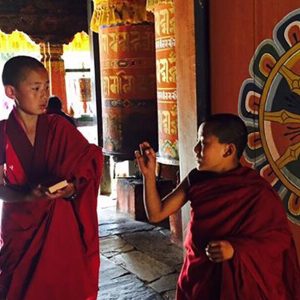
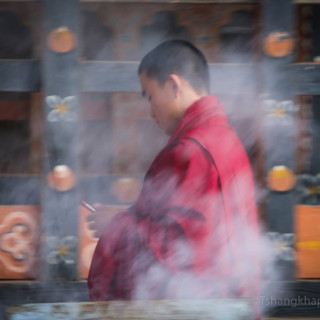
You may also notice shoppers purchasing incense or other religious supplies. If you are interested in the spiritual side of Bhutanese culture, our article about the life of a Bhutanese monk provides additional context.


Cross the Bridge to Explore More Shopping Stalls
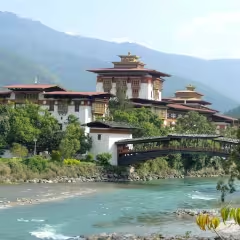
Across the traditional covered footbridge from the farmers’ market, you can browse another cluster of stalls selling everyday goods. The mix may include clothing, textiles, small souvenirs, household items, imported products and second-hand goods. The selection is different from the produce section, so it is worth crossing over if you have time.
This area is useful for understanding contemporary shopping in Thimphu as well as traditional market culture. Not every item is made in Bhutan, so if you are looking for locally produced crafts, ask the seller about the origin of an item and compare it with products at specialist craft shops.
Practical Tips for Visiting Thimphu Weekend Market
- Choose your timing: Saturday morning is a useful starting point for the main farmers’ market. If visiting on another day, confirm which produce stalls are open.
- Bring some cash: payment options differ between vendors, and not every stall will accept a card or digital payment. See our guide to money and payments in Bhutan.
- Ask before taking close-up photographs: be considerate when photographing sellers, customers or people engaged in religious practices. Our Bhutan photography expedition page offers more inspiration for respectful travel photography.
- Be respectful when discussing prices: ask politely if a price is flexible, particularly for non-food goods, but do not assume that bargaining is expected for everyday produce.
- Try something unfamiliar: ask what a local ingredient is called and how it is cooked. You may discover a food you would never have recognised from its appearance alone.
- Check the layout before you go: as renovation and vendor arrangements can change, follow local directions to the active entrance or stalls rather than relying only on older photos or descriptions.
- Allow time to wander: 45–90 minutes is a reasonable allowance for a relaxed visit, but give yourself longer if you want to eat, shop across the bridge or explore the riverfront.


Make the Market Part of Your Thimphu Itinerary
The market pairs easily with other cultural stops in the capital. Depending on opening hours and your interests, you can combine it with the National Memorial Chorten, Buddha Dordenma, Tashichho Dzong, a riverside walk or a visit to local craft shops. For more ideas, see our guide to the best things to see and do in Thimphu.
If you have time after browsing, look for a nearby café or food stall and try a local snack. The market is not only somewhere to buy ingredients; it is an accessible way to observe the link between food, community and everyday life in Bhutan.
Frequently Asked Questions About Thimphu Weekend Market
What days is Thimphu Weekend Market open?
The main farmers’ market is traditionally busiest from Friday through Sunday, with Saturday morning a good time to visit. The wider Ka Ja Throm area and individual food stalls may operate on different schedules, so confirm the current arrangements locally.
What are the opening hours of the Thimphu market?
Opening hours can vary by section and vendor, and the market’s layout has changed during renovation work in 2026. Rather than rely on an older online listing, ask your guide or accommodation to confirm the hours for the specific area you want to visit.
Is Thimphu Weekend Market the same as Ka Ja Throm?
The names are closely associated, but visitors may encounter the Centenary Farmers Market hall and the nearby Ka Ja Throm area as distinct parts of the wider market zone. The produce, food stalls and vendor locations available to you may depend on the day and the current arrangements.
What should I buy at the market?
Look for seasonal fruit and vegetables, dried chillies, red rice, dairy products, incense and other everyday goods. You may also find selected textiles or crafts, though dedicated shops offer a wider choice for visitors mainly interested in souvenirs.
Can visitors eat at the market?
Yes, the Ka Ja Throm area has been associated with prepared-food stalls and casual dining. The available vendors and opening times can change, so check what is open when you arrive.
How long should I spend at the market?
Allow around 45–90 minutes to explore the produce stalls at a relaxed pace. Add more time if you plan to eat, cross the bridge to browse other stalls or combine the visit with nearby attractions.
Do I need to pay an entrance fee?
The public market is generally visited as an everyday shopping area rather than a ticketed attraction. Bring some cash for purchases, and confirm locally if access arrangements have changed during ongoing work.
Discover Thimphu Beyond the Main Sights
The Thimphu Weekend Market is a lively reminder that travel is not only about monuments and viewpoints. A few minutes spent looking at local ingredients, learning how a dish is prepared or speaking respectfully with a vendor can reveal a more everyday side of Bhutan’s capital.
Make room for the market in your visit to Thimphu, and let the day unfold at a relaxed pace. If you are planning a wider journey through Bhutan, contact Travel Across Bhutan to build an itinerary around the cultural experiences, landscapes and local encounters that interest you most.