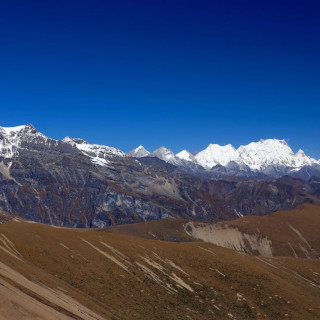
Bhutan, the Land of the Thunder Dragon, is more than just a Himalayan paradise — it’s a global leader in sustainable travel. This carbon-negative kingdom has carefully cultivated a tourism model that protects the environment, preserves its rich culture, and empowers local communities.
From eco-friendly accommodations to conservation-focused treks, Bhutan offers travelers an opportunity to explore without leaving a harmful footprint.
Whether you are a nature lover, cultural enthusiast, or mindful traveler, this guide to eco-friendly activities in Bhutan will help you experience the country responsibly while contributing positively to its people and landscapes.
Bhutan: A Carbon-Negative Nation
Bhutan is the only carbon-negative country in the world, meaning it absorbs more carbon dioxide than it emits. This remarkable achievement is rooted in strong environmental policies and a deep cultural respect for nature.
How Bhutan Achieves Carbon Negativity:
- Extensive Forest Cover: The Bhutanese constitution mandates that at least 60% of the country remain forested at all times. Today, over 70% of Bhutan is covered in forests, which act as natural carbon sinks.
- Renewable Energy: Hydropower provides clean energy that exceeds national consumption, with surplus energy exported to neighboring countries.
- Organic Agriculture: Traditional farming practices rely on natural methods rather than synthetic chemicals, supporting biodiversity and reducing emissions.
- Limited Industrialization: Bhutan maintains minimal industrial activity, with strict regulations to prevent pollution.
- Conservation Projects: Reforestation, wildlife protection, and environmental awareness programs actively preserve Bhutan’s natural heritage.
By visiting Bhutan, travelers participate indirectly in these efforts, as tourism policies fund conservation, community projects, and sustainable development.
High-Value, Low-Volume Tourism: Regulating Impact
Bhutan carefully regulates tourism to ensure that the country’s natural and cultural resources are preserved.
Key Strategies:
- Daily Sustainable Development Fee: Tourists pay a minimum daily fee that covers accommodation, transport, guides, and contributes directly to health, education, and conservation.
- Mandatory Licensed Guides: All visitors must be accompanied by certified local guides, who ensure respectful behavior toward culture and environment.
- Controlled Infrastructure: Hotels, roads, and tourist facilities undergo strict environmental assessments to prevent ecological damage.
- Seasonal and Regional Spread: Tourism is promoted throughout the country and year-round to avoid over-crowding and to support lesser-known regions.
This thoughtful approach ensures tourism has a net positive effect, benefiting both the environment and the local population.
Cultural Preservation as a Form of Sustainability
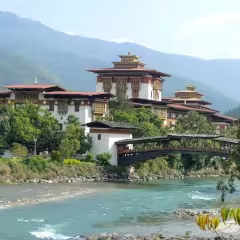
Sustainable travel in Bhutan isn’t just about nature — it’s also about respecting and supporting its rich cultural heritage.
Ways Bhutan Preserves Culture:
- Legislative Protection: Laws safeguard arts, architecture, and rituals, guiding modern development to align with tradition.
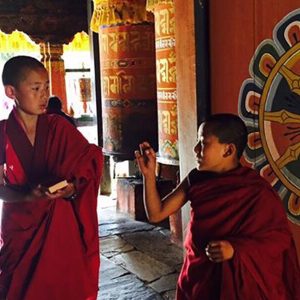
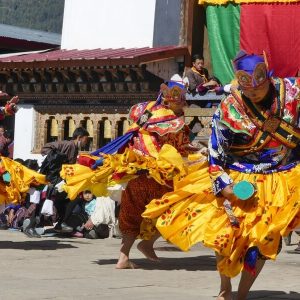
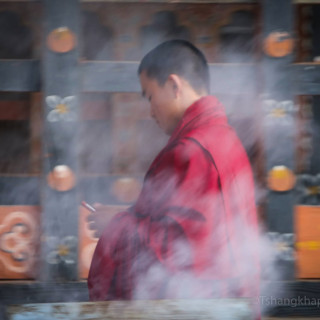
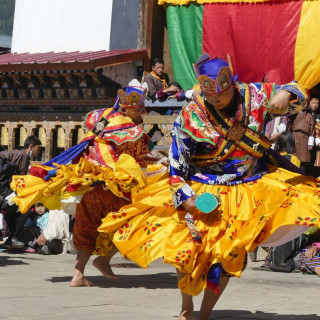
- Festivals and Monastic Education: Annual Tshechus, monasteries, and training institutions ensure continuity of music, dance, and spiritual practices.
- Community Participation: Tourists engage in cultural activities such as cooking classes, traditional craft workshops, and homestays.
- Promotion of National Dress and Language: Policies encourage wearing Gho and Kira, and schools teach Dzongkha to preserve identity.
By choosing community-based experiences, travelers contribute to sustaining Bhutan’s living culture.
Community-Based Tourism (CBT)
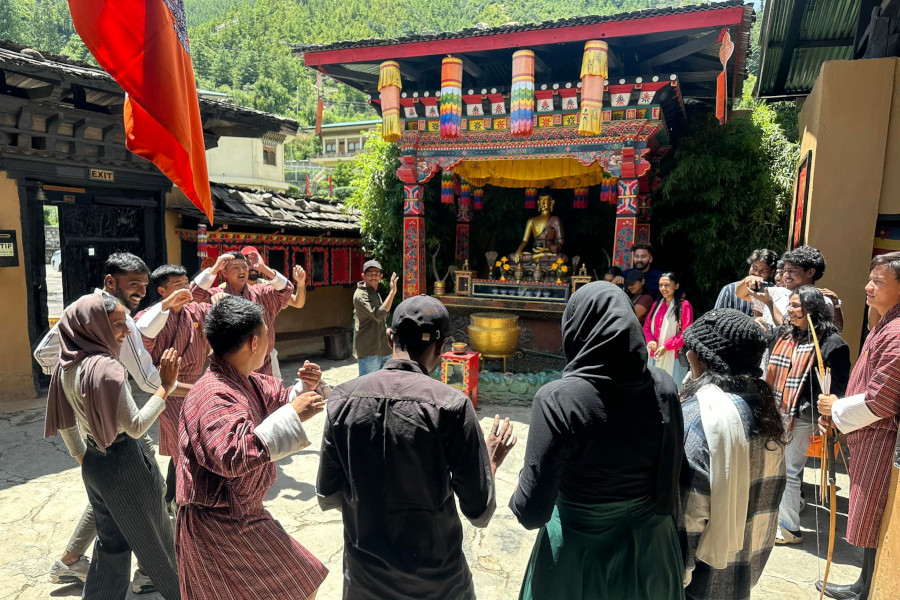
Community-Based Tourism (CBT) is at the heart of Bhutan’s sustainable travel model. It empowers local communities to directly benefit from tourism while giving visitors authentic and immersive experiences in village life, traditional crafts, and local festivals.
Activities Include:
- Staying in traditional homestays: Experience life with host families in villages such as Punakha Valley, Haa Valley, and Bumthang. Share meals and stories while learning about daily routines, local beliefs, and family farming practices.
- Learning traditional crafts: Participate in workshops for weaving in Bumthang, woodcarving in Paro, and painting thangkas in Thimphu.
- Farming experiences: Help villagers with seasonal tasks such as rice planting in Punakha, potato and buckwheat harvesting in Phobjikha Valley, or maize cultivation in Zhemgang, learning sustainable methods passed down through generations.
- Cultural immersion: Join local festivals (Tshechus) in Paro, Thimphu, and Trongsa, or attend community-led prayer rituals and folk music performances.
- Adventure with locals: Take part in traditional archery competitions, Bhutan’s national sport, or join guided hikes led by villagers through forests and terraced fields.
CBT ensures that tourism revenue improves local infrastructure, education, and livelihoods, while spreading visitors across communities to reduce environmental pressure and maintain Bhutan’s cultural and ecological integrity.
Check Out Our Art & Handicraft Trail in Bhutan Tour
Eco-Friendly Accommodations

Bhutan offers a wide range of eco-lodges and sustainable hotels that minimize environmental impact while enriching your travel experience.
Features of Eco-Friendly Stays:
- Sustainable Design: Buildings incorporate local wood, rammed earth, bamboo, and stone, reflecting Bhutanese architectural heritage while optimizing energy efficiency. Eco-lodges such as Amankora lodges in Paro and Bumthang and Naksel Boutique Hotel in Thimphu set the standard.
- Renewable Energy: Many lodges, including Gangtey Lodge in Phobjikha Valley, rely on solar panels, hydro energy, and energy-efficient heating systems.
- Water and Waste Management: Facilities include rainwater harvesting, composting, low-flow showers, and waste segregation. Druk Wangyel Lodge in Thimphu integrates sustainable water management for gardening and irrigation.
- Organic, Local Cuisine: Guests enjoy meals sourced from nearby farms. Staples include red rice, buckwheat, maize, potatoes, and seasonal vegetables. Specialty dishes may feature Ema Datshi (chili and cheese stew) prepared from organic dairy.
- Community Engagement: Staff are local, and proceeds often support village schools, clinics, and conservation projects, ensuring that tourism directly benefits surrounding communities.
Check Out Our Flavors of Bhutan – Culinary Tour
Responsible Trekking and Outdoor Adventures

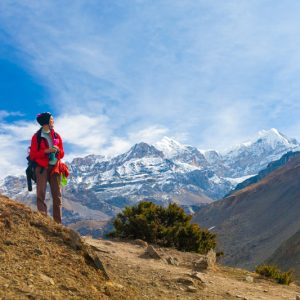
Bhutan’s trekking routes are meticulously managed to reduce environmental impact while offering breathtaking Himalayan vistas.
Guidelines for Responsible Trekking:
- Stick to established trails such as Druk Path, Jomolhari Trek, Snowman Trek, and Laya Gasa Trek.
- Carry out all waste and use provided disposal bags or composting facilities.
- Hire local guides and porters, ensuring economic benefits for communities and cultural education for travelers.
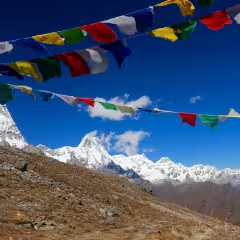
- Respect wildlife and sacred sites, including chortens, prayer flags, and monasteries along the trails.
- Support conservation projects: Many trekking fees contribute to trail maintenance, biodiversity monitoring, and reforestation.
Adventure Activities:
- Rafting: White-water rafting in the Pho Chhu and Mo Chhu rivers offers thrilling adventure while respecting riverine ecosystems.
- Archery: Join local archery competitions in Thimphu and Punakha, learning traditional techniques.
- Mountain Biking: Eco-friendly cycling tours are available in Haa Valley and around Paro Dzong, minimizing fuel use while exploring scenic terrain.
- Horseback Riding: Explore valleys like Bumthang and Haa on horseback, connecting with traditional travel methods.
Check Out our Multi-Sport Adventure Tour in Bhutan
Wildlife Tours and Birdwatching

Bhutan’s biodiversity is extraordinary, with over 770 bird species and 200 mammal species, many of which are endemic.
Recommended Locations:
- Phobjikha Valley: Wintering grounds for the black-necked crane, ideal for birdwatching and photography.
- Jigme Dorji National Park: Observe snow leopards, red pandas, and Himalayan tahr.
- Royal Manas National Park: One of Bhutan’s oldest protected areas, home to Bengal tigers, elephants, and wild buffalo.
- Bumdeling Wildlife Sanctuary: Nesting area for rare birds and snow leopards.
Tips for Eco-Friendly Wildlife Tours:
Learn about conservation from local guides who provide insights into ecosystems, species behavior, and threats.
Join small guided groups to minimize disturbance.
Observe animals from a safe distance; no feeding or baiting.
Check Out Our Bhutan Birding Tour and Bhutan Flora & Fauna Expedition
Organic Farming Experiences

Bhutan is on track to become the world’s first 100% organic nation, with farms managed using chemical-free methods and traditional practices.
Eco-Friendly Farm Activities:
- Crop cultivation: Participate in rice planting in Punakha, potato and barley harvesting in Phobjikha, or maize and buckwheat sowing in Zhemgang and Trongsa.
- Composting and soil management: Learn sustainable techniques including bio-fertilizers and crop rotation.
- Farm-to-table experiences: Enjoy meals made from fresh, local ingredients, including buckwheat noodles, millet porridge, and organic dairy products.
- Support Indigenous Crops: Encourage biodiversity by learning about traditional varieties of maize, red rice, millet, and heirloom vegetables.
These experiences foster awareness of sustainable agriculture while directly supporting farmers and local communities economically.
Check Out Our Immersive Journey through Central Bhutan Tour
Conservation Efforts You Can Participate In
Bhutan’s conservation efforts are both extensive and hands-on for travelers, making it possible to contribute directly.
Protected Areas and Wildlife:
- Over 50% of Bhutan’s land is protected. Notable parks include:
- Jigme Dorji National Park – snow leopards, red pandas
- Royal Manas National Park – tigers, elephants
- Phobjikha Valley – black-necked cranes
- Bumdeling Wildlife Sanctuary – endangered birds and flora
- Explore these areas through ethical wildlife tours that educate visitors while preserving habitats.
Community Forestry and Eco-Volunteering:
- Villages participate in community forestry programs, managing forests sustainably.
- Tourists can take part in tree-planting initiatives, trail maintenance, and conservation workshops, creating a positive environmental impact.
- Programs are available in Phobjikha Valley, Haa Valley, and Punakha, offering both learning opportunities and hands-on experiences.
Comprehensive Eco-Tourism Packages With Travel Across Bhutan
Eco-tourism in Bhutan is a journey of respect — for nature, culture, and local communities.
Every trek, wildlife tour, festival visit, and homestay can be part of a sustainable travel story. By prioritizing eco-friendly activities, you help Bhutan preserve its pristine environment and cultural heritage, leaving a positive impact long after your journey ends.
For travelers seeking a complete eco-tourism experience, Travel Across Bhutan offers packages that integrate:
- Environmental conservation
- Cultural immersion
- Community engagement
- Eco-friendly lodging and sustainable transport
Bhutan is not just a destination; it’s a model of how travel can be responsible, immersive, and transformative.