At Across Bhutan, we often hear the same question from travelers preparing their journey: “Will I be able to stay connected once I arrive?”
Bhutan is known for its monasteries, mountains, and mindful pace of life — but it is also a country that has embraced modern technology carefully and on its own terms. From mobile data in Thimphu to complete digital silence on Himalayan trails, connectivity in Bhutan is part of the travel experience itself.
This practical FAQ explains internet access, SIM cards, mobile networks, speeds, eSIMs, satellite limitations, and real-world expectations, so you can plan your trip with confidence — and disconnect when the moment feels right.
1. Is there internet access in Bhutan?
Yes — Bhutan has widely available internet in towns and cities, though connectivity still varies widely depending on location. Major cities like Thimphu and Paro have good 4G LTE coverage, and in some urban districts you can even access 5G service. But once you venture into rural valleys, trekking routes, or high mountain areas, signal can weaken or disappear entirely. Most hotels, restaurants, and cafés offer Wi-Fi, though performance may vary.
2. What speeds can I expect for download and upload?
Internet performance in Bhutan is generally good enough for everyday travel needs, but not consistent enough to guarantee high speeds everywhere:
- 4G LTE mobile data: In cities like Thimphu and Paro, typical real-world speeds range from roughly 5–20 Mbps download, good for email, social media, and light video streaming. Upload speeds are often lower than downloads but adequate for photos and sharing trip updates.
- 5G: Available in select urban areas. Where 5G is deployed (e.g., Thimphu & Paro), theoretical network performance can be many times faster than 4G, though actual user experience will depend on device, network load, and station proximity.
- Wi-Fi in hotels/cafés: Speeds vary from modest (for messaging & browsing) to decent (for video calls) in higher-end hotels with fiber connections.
Because Bhutan’s geography is mountainous, coverage and speeds may fluctuate even within the same town.
3. Is 5G available in Bhutan?
Yes — 5G service has been introduced and is being expanded. Providers like TashiCell launched 5G in urban areas such as Thimphu and Paro, and continued expansion has taken place across many districts. This means if you have a 5G-capable phone and are in a covered area, you can access significantly faster speeds and lower latency than with 4G.
4. What mobile network providers operate in Bhutan?
Bhutan’s main telecom operators are:
- B-Mobile (Bhutan Telecom) – state-owned, with the widest coverage including more rural areas
- TashiCell – strong urban coverage and offers 5G in many town centers
Both providers offer 3G, 4G LTE, and limited 5G data services.
5. Can tourists buy SIM cards in Bhutan?
Absolutely. Tourist SIM cards are available for purchase on arrival, typically at Paro International Airport, or at Bhutan Telecom and TashiCell counters around Thimphu, Paro, and other major towns. You usually need a passport copy to register.
6. What documents are required to buy a SIM card?
To buy a local SIM (physical or tourist eSIM), you typically need to present:
- A passport copy
- Completion of a registration form
Some providers may ask for a passport-sized photo as well. Assistance from your tour guide can make this process quicker.
7. What are the SIM card prices (with USD conversions)?
Bhutan Telecom offers several Tourist SIM and Tourist eSIM packages. All are valid up to one month.
| Plan | Validity | Price (Nu.) | Approx. USD* |
|---|---|---|---|
| Tourist SIM 100 | 1 Month | 100 | ~$1.20 USD |
| Tourist SIM 200 | 7 Days | 200 | ~$2.40 USD |
| Tourist SIM 300 | 14 Days | 300 | ~$3.60 USD |
| Tourist SIM 500 | 30 Days | 500 | ~$6.00 USD |
| Tourist SIM 1100 | 7 Days | 1,100 | ~$13.20 USD |
| Tourist SIM 1900 | 14 Days | 1,900 | ~$22.80 USD |
| Tourist eSIM 1100 | 7 Days | 1,100 | ~$13.20 USD |
| Tourist eSIM 1900 | 14 Days | 1,900 | ~$22.80 USD |
*Prices are approximate, based on typical exchange rates (Nu. to USD). Promotional or bundled data offers at airport counters may vary slightly.
These plans usually include mobile data and sometimes talk/SMS credit. More data-heavy or unlimited plans may also be available locally.
8. What about eSIMs — can I use them in Bhutan?
Yes. Official local eSIM options are available from Bhutan Telecom and TashiCell, often sold at airport counters or provider shops. To use them, your phone must support eSIM technology, and you can activate the plan at the counter — no physical SIM needed.
You can also purchase international eSIM plans before travel that work on local Bhutanese networks, though costs and reliability vary compared to local plans.
9. How do I top up or add data?
You can top up your SIM at:
- Provider shops
- Hotel concierge desks
- Local convenience shops
Top-up vouchers or USSD recharge codes can be used to add data or talk time as needed.
10. Is Wi-Fi available in hotels?
Yes. Most hotels provide free Wi-Fi, but:
- Often speeds are slower than mobile 4G/5G
- Some networks are strongest only in lobbies or common spaces
- Connections can be affected by peak usage
Many cafés in Thimphu and Paro also offer free Wi-Fi with a purchase.
11. Are there internet cafés in Bhutan?
Yes, though they are becoming less common as mobile data usage grows. You can still find cafés offering paid internet access, especially in major towns. Examples include:
In Thimphu:
- Internet cafés near Samphel Lam
- Options around Clock Tower Square and central commercial areas
In Paro:
- Small internet shops near the main market
- Some cafés around the town center offering Wi-Fi access
Availability changes frequently, so local guides can point you to the nearest reliable café if needed.
12. Will I have connectivity while trekking?
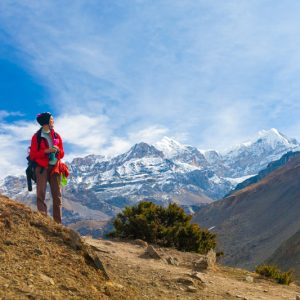
Most trekking routes in Bhutan do not have reliable cellular signal, especially at higher altitudes or in deep valleys. Some lodges may offer weak Wi-Fi or satellite options, but don’t count on it. For treks, it’s best to plan for offline maps and downloads ahead of time.
13. Is satellite internet (including Starlink) available or usable in Bhutan?
Satellite internet exists in Bhutan but is very limited and tightly regulated.
- Traditional satellite internet is occasionally used by government institutions, media organizations, or extremely remote lodges as a backup connection. It is not available for short-term tourist use and cannot be rented or activated independently by travelers.
- Starlink is not currently authorized for public or private use in Bhutan. Bringing Starlink equipment into the country without official permission is not allowed, and it will not function legally or reliably.
Bhutan maintains strict controls over telecommunications infrastructure to protect national security and manage digital development in line with its policies. As a result, travelers cannot rely on satellite internet as an alternative to mobile networks.
In short, Bhutan is not a destination where satellite connectivity replaces mobile coverage. Planning for limited or no internet in remote areas is still essential — and often part of the experience.
14. What should I do before I arrive?
Before your trip:
- Ensure your phone is unlocked
- Check if it supports 4G and 5G bands used locally
- Download offline maps and documents
- Bring a power bank for rural outings
Conclusion & Travel Planning
Staying connected in Bhutan is easy in towns, possible in most hotels, and intentionally limited in remote regions. With the right SIM card or eSIM, realistic expectations about speed, and good preparation, you’ll have everything you need — without letting screens distract from the experience.
At Across Bhutan, we don’t just design itineraries — we help you plan the details that make a journey smooth, from reliable accommodations to SIM cards, connectivity needs, and routes that balance comfort with immersion.
📩 Planning a trip to Bhutan?
Let us design a tailor-made journey that fits your travel style — whether you want full comfort, digital convenience, or a deeper offline escape into the Himalayas.