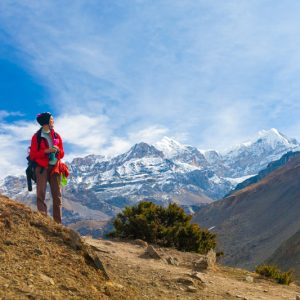
Traveling in Bhutan is unlike traveling almost anywhere else on Earth. From the moment you land in the Paro Valley at 2,200 meters, altitude quietly becomes part of the journey. Roads climb quickly over Himalayan passes, monasteries perch high above valleys, and trekking routes push deep into landscapes where oxygen is thinner and silence feels heavier. In Bhutan, elevation is not a detail — it is a defining feature of the experience.
Many visitors are surprised by how fast altitude changes here. A scenic drive can take you from subtropical valleys to mountain passes above 3,000 or 4,000 meters in a single day. Iconic viewpoints, remote villages, and sacred sites often sit far higher than most travelers are accustomed to, especially those arriving from sea level. This dramatic geography is what gives Bhutan its breathtaking beauty — and why understanding altitude sickness is essential for safe and enjoyable travel.
At Across Bhutan, we have guided travelers across the kingdom for years, from gentle cultural journeys through western valleys to demanding Himalayan expeditions that cross some of the highest trekking passes in the world. We see firsthand that altitude sickness in Bhutan is not about weakness or fitness — it is about how the body adapts to elevation. Even experienced hikers can feel its effects if they ascend too quickly, while well-prepared travelers often adapt smoothly with the right pacing and support.
This guide is designed to help you understand how altitude affects travel in Bhutan, how to recognize early signs of acute mountain sickness (AMS), and how to prepare your body before arrival. Whether you’re planning scenic mountain hikes, multi-day treks, or simply moving between valleys and high passes, knowing how to manage altitude allows you to focus on what truly matters — the landscapes, the culture, and the quiet intensity that make Bhutan unforgettable.
Understanding Altitude Sickness
Altitude sickness, also known as acute mountain sickness (AMS), occurs when the body struggles to adapt to lower oxygen levels at higher elevations. Symptoms usually appear above 2,500 meters, a height reached quickly in Bhutan due to its steep terrain.
Unlike many mountain destinations where altitude increases gradually, Bhutan often involves rapid elevation gains by road, particularly when crossing high passes or moving between valleys. Even travelers who are physically fit may experience symptoms if they ascend too quickly.
Many popular routes, scenic drives, and mountain hikes naturally expose travelers to altitude, which is why awareness and preparation are essential when planning Bhutan altitude travel.
Why Trekkers Need Extra Awareness in Bhutan
Altitude management becomes even more important on multi-day hikes and treks, where elevations often exceed 4,000–5,000 meters. Bhutan’s trekking routes are spectacular but demanding, and each itinerary presents different altitude challenges.
High-altitude treks such as The Snowman Trek, which crosses multiple passes above 5,000 meters, require excellent acclimatization and prior experience. Others, like the Jomolhari Trek, Dagala Thousand Lakes Trek, or Laya and Gasa Trek, still involve sustained time at altitude but allow for more gradual adjustment.
Shorter routes such as the Drukpath Trek are often well suited to first-time trekkers, offering a gentler introduction to altitude while still passing through lakes, forests, and mountain ridges.
If you’re comparing routes or want a broader overview of elevation levels across Bhutan, the Bhutan mountain hikes guide offers helpful context on terrain, altitude, and hiking conditions, while the trekking tours collection showcases itineraries ranging from beginner-friendly to extreme.
AMS: Typical Symptoms to Watch For
Altitude sickness can present differently from person to person, but early recognition is key.
Common symptoms include:
- Persistent headache
- Fatigue or weakness
- Shortness of breath with light exertion
- Dizziness or lightheadedness
- Nausea or loss of appetite
- Difficulty sleeping
If symptoms worsen — such as severe headache, confusion, vomiting, or difficulty walking — the safest response is to stop ascending. If symptoms worsen, descending — even by a few hundred meters — usually brings rapid relief.
This is why guided trekking in Bhutan is strongly recommended: experienced guides understand altitude patterns and know when adjustments are needed.
Preventing Altitude Sickness While Traveling in Bhutan
The good news is that altitude sickness is largely preventable with smart planning and simple habits.
Key prevention principles:
- Ascend gradually whenever possible
- Avoid rushing from low valleys to high passes
- Keep physical activity light during the first days
- Drink plenty of water throughout the day
- Eat regularly, focusing on carbohydrate-rich meals
- Avoid alcohol during initial acclimatization days
Listening to your body is crucial. Slowing your pace for a day often makes the difference between discomfort and enjoyment.
How to prepare your body for high elevation before coming to Bhutan: a Short Guide

For travelers arriving from sea-level countries, preparing your body in advance can significantly improve comfort at altitude.
6–8 weeks before departure
- Begin regular cardiovascular exercise (walking, cycling, hiking, stair climbing)
- Focus on endurance rather than speed
- Train 3–4 times per week if possible
4–6 weeks before departure
- Add longer sessions (60–90 minutes)
- Include uphill walking or stair intervals
- Practice slow, steady breathing during exertion
2–3 weeks before departure
- Go on longer hikes with a light backpack
- Prioritize recovery, hydration, and sleep
- Avoid overtraining or exhaustion
Final travel week
- Reduce intensity
- Hydrate well
- Avoid alcohol and heavy meals
- Arrive rested, not fatigued
While physical fitness does not guarantee immunity from AMS, it greatly improves resilience and recovery — especially for trekking itineraries.
Medication and Medical Considerations
For some travelers, especially those planning high-altitude trekking or arriving from sea level, medication can play a supportive role in altitude adaptation. The most commonly used preventive medication is acetazolamide (Diamox), which helps the body acclimatize more efficiently by improving oxygen uptake and reducing fluid retention. While it does not replace proper acclimatization, it can reduce the risk and severity of acute mountain sickness when used correctly.
However, acetazolamide is not suitable for everyone. It may cause side effects such as tingling sensations in fingers or toes, increased urination, altered taste, or mild fatigue. For this reason, it should always be discussed with a healthcare professional before travel, ideally one familiar with high-altitude environments. Travelers with kidney issues, sulfa allergies, or certain medical conditions may be advised to avoid it altogether.
Beyond medication, understanding Bhutan’s medical landscape is important. Major towns such as Thimphu, Paro, and Punakha have hospitals and clinics capable of handling common altitude-related issues. That said, once you move into remote valleys or multi-day trekking routes, access to advanced medical facilities becomes extremely limited. Evacuation in high mountain regions can be slow and weather-dependent, reinforcing why prevention is far more effective than treatment.
Travel Smart, Enjoy More

Altitude sickness should never be a reason to miss Bhutan. With thoughtful preparation, realistic pacing, and an understanding of how elevation affects the body, most travelers experience nothing more than mild, short-lived symptoms — and many feel none at all. In fact, when altitude is respected, it often deepens the experience, encouraging you to slow down, breathe, and connect more fully with the landscape around you.
Whether you are exploring Bhutan’s scenic valleys, crossing high mountain passes, or embarking on one of the kingdom’s legendary Himalayan treks, traveling with an experienced team makes all the difference. At Across Bhutan, every journey is designed with altitude awareness at its core — from carefully planned itineraries and acclimatization days to trained guides who monitor your well-being throughout the trip.
Our role is simple: to let you focus on the wonder of Bhutan while we take care of the details that keep you safe, comfortable, and confident at altitude. When your body is supported and your pace respected, the mountains open up — and Bhutan reveals itself in all its depth, serenity, and power.