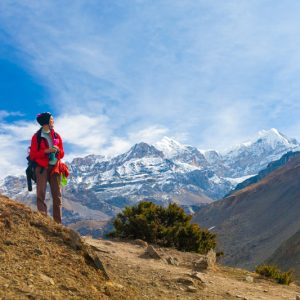
When most travelers imagine Bhutan, they picture dramatic cliffside monasteries like Tiger’s Nest. Yet long before temples were built, Bhutan’s mountains were home to something even more elemental: sacred meditation caves carved by nature itself.
These sacred caves of Bhutan are among the oldest spiritual sites in the Himalayas. Used by tantric masters, wandering yogis, and monastic hermits for centuries, they remain active pilgrimage destinations today.
For travelers seeking authentic spiritual depth beyond iconic landmarks, exploring meditation caves Himalayas offers a rare and powerful experience.
With Across Bhutan, these hidden sanctuaries are not just names on a map. Carefully curated itineraries provide access to remote valleys, historical context from expert guides, and respectful engagement with Bhutan’s living spiritual heritage.
Rather than simply visiting famous monasteries, travelers can journey into the natural spaces where Himalayan Buddhism was first practiced in solitude.
In this guide, we explore Bhutan’s major sacred caves, lesser-known retreat sites, and hidden sanctuaries that reveal the full spiritual and geological depth of the Himalayan landscape.
Sacred Caves in Bhutanese Buddhism and Himalayan Speleology
In Vajrayana Buddhist tradition, caves are considered spiritually potent environments. Their darkness, silence, and isolation symbolize the inward journey toward enlightenment.
Many Bhutan cave pilgrimage sites are associated with Guru Rinpoche (Padmasambhava), the 8th-century tantric master credited with bringing Buddhism to the Himalayas. According to tradition, he meditated in numerous caves across Bhutan, subduing local spirits and blessing the land.
Meditation in caves follows an ancient discipline:
- Three days
- Three months
- Three years
Each period tests endurance, silence, and spiritual focus.
Speleology and Cave Science in Bhutan
From a speleological perspective, Bhutan’s caves reflect fascinating geological processes. Formed through tectonic uplift, erosion, limestone dissolution, and river incision, these natural chambers combine cultural significance with scientific interest.
Recent scientific expeditions have begun documenting Bhutan’s cave ecosystems, uncovering:
- Previously undocumented arthropod species
- Rare bat colonies
- Evidence of wildlife use (including leopards and Asiatic black bears)
- Complex microclimates within cave chambers
Bhutan’s cave biology has historically gone understudied. Emerging research now highlights the delicate balance between spiritual use and ecological preservation — reinforcing why responsible visitation matters.
Across Bhutan can design journeys that explore both dimensions — sacred symbolism and natural formation — offering a richer understanding of Bhutan’s Himalayan landscape.
Major Sacred Caves of Bhutan
Bhutan’s major sacred caves are the most historically documented and spiritually significant meditation sites in the country. Closely associated with Guru Rinpoche, Pema Lingpa, and foundational figures of Vajrayana Buddhism, these caves are often integrated into established monastery complexes or long-standing pilgrimage routes.
Recognized at a national level and embedded within Bhutan’s religious heritage, they form the core of the country’s sacred geography.
For travelers exploring sacred caves Bhutan for the first time, these sites provide both historical depth and cultural accessibility while remaining active centers of devotion.
Taktsang Palphug Monastery (Tiger’s Nest Cave)
Altitude: ~3,120 meters
Region: Paro Valley
Although globally famous as a monastery, the true spiritual nucleus of Tiger’s Nest is the meditation cave embedded within the cliff.
According to tradition, Guru Rinpoche arrived here in the 8th century, flying on the back of a tigress, and meditated in the cave for three months to subdue local deities and establish Buddhism in the region. The monastery complex visible today was built in 1692 by Gyalse Tenzin Rabgye around this original cave.
For centuries, this site has remained one of the most important Bhutan cave pilgrimage destinations. The cave represents the archetype of the meditation caves Himalayas, where natural rock formations became sanctified through spiritual practice.
Kurje Lhakhang Sacred Cave
Altitude: ~2,600 meters
Region: Bumthang Valley
Kurje Lhakhang is not an open, wild cave in the geological sense. It is a temple complex built around a sacred meditation cave located in Bumthang Valley.
According to tradition, Guru Rinpoche meditated inside this natural rock cavity in the 8th century and left his body imprint on the stone — which gives the site its name (“Kurje” meaning body imprint).
During the 17th century, as Bhutan’s religious institutions were formalized, a temple was constructed to enshrine and protect the cave.
Today, the original meditation chamber remains inside the oldest structure of the complex, preserved as a sacred shrine.
Burning Lake (Mebar Tsho Cave Area)
Altitude: ~2,600 meters
Region: Tang Valley, Bumthang
Mebar Tsho, meaning “Burning Lake,” is one of Bhutan’s most revered pilgrimage sites. In the late 15th century, the Bhutanese tertön (treasure revealer) Pema Lingpa is said to have leapt into the river gorge holding a burning butter lamp to retrieve hidden Buddhist scriptures concealed by Guru Rinpoche centuries earlier.
He emerged from the water with the treasures — and the lamp still burning — confirming his spiritual authority.
The surrounding cliffs contain meditation caves that were used by practitioners connected to Pema Lingpa’s lineage. This site remains a powerful example of how meditation caves Himalayas are often embedded within dramatic natural landscapes of rivers, cliffs, and forested valleys.
Singye Dzong (Lion Fortress Caves)
Altitude: ~3,000 meters
Region: Lhuentse District
Singye Dzong, meaning “Lion Fortress,” is one of the most remote and spiritually significant cave complexes in eastern Bhutan. Tradition holds that Guru Rinpoche meditated here in the 8th century, and the caves became an important retreat center for advanced tantric practitioners.
The temple structures built around the caves date largely to the 17th century, but the hermitage tradition is far older. Due to its isolation, Singye Dzong has preserved the atmosphere of ancient Himalayan hermitages, largely untouched by modern development.
For travelers interested in truly remote sacred caves Bhutan, this eastern pilgrimage route offers rare authenticity.
Dochula Pass Meditation Caves
Altitude: ~3,100 meters (10,200 ft)
Region: Dochula Pass, between Thimphu and Punakha
Just beyond the well-known 108 memorial chortens at Dochula Pass lies a cluster of small meditation caves tucked into forested hillsides.
These modest sanctuaries, constructed around natural rock cavities, are decorated with Buddhist symbolism, including the druk (dragon), Bhutan’s national emblem. Their discreet design allows them to blend almost seamlessly into the surrounding landscape.
Historically, these caves were used for short and extended retreat practice. A brief 10-minute forest ascent from the main pass leads to the cave area, offering travelers a quieter, contemplative alternative to the heavily photographed viewpoints.
From both spiritual and speleological perspectives, the Dochula caves illustrate how even small natural formations became integrated into Bhutan’s meditation culture.
Cheri Monastery Meditation Caves
Region: Northern Thimphu Valley
Altitude: Approx. 2,750 meters
Above the Cheri Monastery, small rock hermitages are embedded directly into the forested hillside. These natural caves were used by monks undertaking long solitary retreats — sometimes lasting three years or more — in complete isolation.
Founded in the 17th century, Cheri became one of the earliest formal monastic centers in Bhutan. Yet before large retreat facilities existed, practitioners relied on these simple stone chambers for meditation. The caves therefore represent a transitional moment in the history of sacred caves of Bhutan, bridging the gap between raw mountain shelters and organized monastery life.
Today, the climb to the site remains relatively accessible compared to higher-altitude caves, making it one of the most approachable examples of meditation caves in the Himalayas near the capital.
Shingkhar Dechen Phodrang Cliff Retreats
Region: Bumthang Valley
Altitude: Approx. 2,900 meters
Shingkhar Dechen Phodrang is one of the most historically important temples in the Bumthang Valley, a region often described as the spiritual center of Bhutan. Above the temple complex, natural rock formations contain small meditation shelters that were traditionally used by monks seeking isolation away from village life.
Unlike large pilgrimage caves with established legends, these retreats are physically modest — narrow stone chambers formed within cliff walls overlooking the valley. Their position provided both seclusion and visibility, allowing practitioners to withdraw without completely severing ties to the monastic community below.
Lesser-Known Meditation Caves of Bhutan
Beyond the most iconic sanctuaries, Bhutan is home to numerous secondary meditation caves that played an important role in the development of Himalayan retreat traditions.
Often located in elevated valleys, forested ridgelines, or near regional monasteries, these caves were used for extended solitary retreats lasting three days, three months, or even three years. While less internationally known, they remain deeply respected within local communities and monastic networks.
For travelers seeking a more intimate experience of meditation caves Himalayas, these sites offer a quieter, less-traveled dimension of Bhutan’s spiritual landscape — where natural formations, mountain silence, and living tradition intersect.
Phajoding Monastery Cave Retreats
Altitude: ~3,700 meters
Region: Above Thimphu Valley
Founded in the 13th century, Phajoding was once one of Bhutan’s most important monastic centers. Surrounding the monastery are meditation caves historically used for extended solitary retreats.
These cave hermitages reflect the tradition of three-year, three-month, and three-day retreats, a practice central to Vajrayana Buddhism. The high altitude and physical isolation reinforce the contemplative atmosphere that defines many meditation caves Himalayas.
Tango Monastery Meditation Cave
Altitude: ~2,800 meters
Region: Thimphu District
Tango Monastery was established in the 13th century and later rebuilt in the 17th century by Gyalse Tenzin Rabgye. The site is centered around a sacred cave where the Tibetan master Phajo Drugom Zhigpo meditated after arriving in Bhutan.
The cave predates the monastery structures and reflects Bhutan’s early reliance on natural formations as spiritual sanctuaries. Today, Tango remains an important center for Buddhist philosophical studies while preserving its original cave retreat heritage.
Drag Karpo (White Cliff Cave)
Region: Paro Valley
Altitude: Approx. 2,700 meters
Overlooking the Paro Valley, Drag Karpo — meaning “White Cliff” — is an lesser-known site within the network of sacred caves of Bhutan.
Tradition holds that Guru Rinpoche meditated here during his 8th-century travels across the Himalayas. Unlike more developed monastery complexes, Drag Karpo retains its raw geological character. The natural rock chamber reinforces the early connection between meditation caves Himalayas and tantric retreat practice.
The approach requires a steady uphill hike, but the reward is solitude. Fewer visitors come here compared to Paro’s iconic sites, making it ideal for travelers seeking a quieter expression of Bhutan’s contemplative heritage.
Thowadrak Cave (Lhodrak Kharchu)
Region: Near Thimphu
Altitude: Approx. 3,100 meters
Perched above forested slopes north of Thimphu, Thowadrak Cave is an important cliffside retreat within Bhutan’s sacred geography.
Associated with Guru Rinpoche and later tantric masters, the site includes small hermit chambers integrated into the rock face. These simple shelters illustrate how early practitioners adapted natural formations into spaces for prolonged meditation.
Among the many sacred caves Bhutan, Thowadrak stands out for its altitude and isolation. The climb is physically demanding, reinforcing the symbolic ascent from ordinary life toward spiritual retreat — a recurring theme in Himalayan meditation caves.
Hidden Meditation Caves of Bhutan
In addition to the better-documented pilgrimage sites, Bhutan also preserves a number of sacred caves that remain largely unknown to mass tourism. Some are known primarily through local religious tradition, regional travel networks, or specialized itineraries offered by experienced tour operators.
These hidden meditation sites often require advance permission, monastic coordination, or guided access. Their limited visibility online reflects both their remoteness and the cultural discretion surrounding certain spiritual locations.
For culturally respectful travelers, these hidden sacred caves Bhutan represent an opportunity to explore the deeper layers of Himalayan spiritual geography — beyond established landmarks and into spaces that continue to be valued by local communities.
Pema Phug (The Lotus Cave)
Altitude: ~1,400 meters (approx.)
Region: Above Punakha Dzong, Punakha Valley
Pema Phug, meaning “Lotus Cave,” is one of the most spiritually significant yet lesser-visited sacred caves Bhutan. Located high above Punakha Dzong, the cave is reached via a steep 2–3 hour hike through forested slopes overlooking the Pho Chhu River valley.
According to tradition, Guru Rinpoche meditated here and left body imprints in the rock. The cave’s interior contains natural formations resembling lotus petals, reinforcing its symbolic association with Padmasambhava, the Lotus-Born master.
A sacred spring flows inside the cave and is said never to run dry. Local belief holds that the water was blessed directly by Guru Rinpoche during his retreat.
Due to its religious importance, access is regulated. Visitors must be accompanied by a monk from Punakha Dzong, and permission must be requested at least 48 hours in advance — a process that Across Bhutan can coordinate as part of a guided itinerary.
Sengcham Drag (Cave of the Pregnant Woman)
Altitude: ~2,600 meters (approx.)
Region: Near Thimphu District
Sengcham Drag, sometimes referred to as the “Cave of the Pregnant Woman,” is a sacred cave associated with fertility blessings and lunar symbolism.
This meditation site is known for its unusual natural airflow phenomenon. Local tradition holds that the cave entrance subtly widens and narrows with lunar cycles. Warm air is said to flow outward during the full moon, while cooler air emerges during the new moon, giving the impression that the cave “breathes.”
Women seeking blessings for childbirth visit this site, integrating ancient Himalayan cave spirituality with community devotional practices.
Permission to visit must be obtained through the Taktsang monastery administration, as the cave falls under religious jurisdiction. Responsible visitation ensures that ritual practices remain undisturbed.
Korphu Lhakhang Cave
Altitude: ~2,500 meters (approx.)
Region: Trongsa District (historically connected to Bumthang region traditions)
Korphu Lhakhang Cave is associated with the 15th-century tertön Pema Lingpa, one of Bhutan’s most revered treasure revealers.
The cave contains a natural rock throne believed to have formed spontaneously, where Pema Lingpa is said to have meditated. As with many meditation caves Himalayas, the natural chamber predates the surrounding religious structures.
Practitioners have reported visionary experiences within the cave, including perceptions of rainbow light phenomena — a motif frequently associated with advanced tantric realization in Vajrayana tradition.
The cave is particularly significant during the annual Pema Lingpa Festival in December, when access becomes more structured for pilgrims. Outside festival periods, visits require coordination and local guidance.
Why Explore Sacred Caves with Across Bhutan
Sacred caves are not standard tourist attractions. Many require:
- Special permits
- Experienced mountain guides
- Cultural interpretation
- Respectful timing around religious observances
Across Bhutan specializes in designing journeys that go beyond surface-level sightseeing. By integrating historical context, spiritual meaning, and responsible travel practices, the agency ensures that visits to Bhutan cave pilgrimage sites remain respectful and meaningful.
Travelers can choose:
- Spiritual heritage tours
- Multi-day trekking routes incorporating sacred caves
- Eastern Bhutan cultural expeditions
- Custom meditation-inspired journeys
- Cultural photography experiences focused on Himalayan hermitages
With Across Bhutan, visitors gain safe access and deeper understanding of the meditation caves Himalayas, rather than simply adding another landmark to a checklist.
Discover Bhutan’s Hidden Sacred Caves with Across Bhutan
Unlike monumental monasteries, meditation caves Himalayas offer intimacy.
They are quiet, elemental spaces shaped by tectonic uplift, erosion, and geological time. They represent the earliest expressions of Himalayan Buddhist practice — where enlightenment was sought not in grandeur, but in solitude and silence.
For travelers seeking deeper immersion into Bhutan’s spiritual geography, exploring sacred caves Bhutan offers a rare encounter with living tradition.
With Across Bhutan, you move beyond iconic monasteries and into the natural spaces where Himalayan meditation traditions first took root. From Paro’s dramatic cliffside caves to remote eastern hermitages seldom visited by international travelers, each itinerary is carefully curated around cultural respect, historical depth, and authentic access.
Whether your interest lies in:
- Spiritual pilgrimage
- Himalayan speleology and geology
- Photography
- Trekking
- Immersive cultural exploration
Across Bhutan can design a custom sacred cave journey tailored to your interests and pace.
Contact Across Bhutan to explore the hidden meditation sites of the Himalayas and experience the spiritual landscapes that continue to shape Bhutan today.