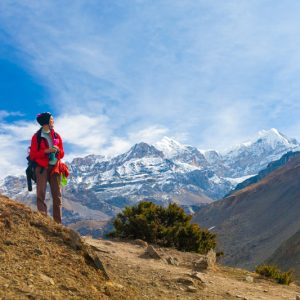
Bhutan is not only known for its monasteries, dramatic Himalayan landscapes, and Gross National Happiness philosophy — it is also one of Asia’s richest natural pharmacies.
With more than 7,000 species of vascular plants and over 600 recognized medicinal species, the Kingdom offers travelers a rare opportunity to discover the living traditions of traditional medicine Bhutan.
For culturally curious visitors, exploring medicinal plants Bhutan adds a deeper layer to any journey. From high-altitude alpine meadows where prized cordyceps are harvested to peaceful herb gardens in Thimphu, Bhutan’s healing plants tell a story of harmony between nature, spirituality, and wellbeing.
With Across Bhutan, travelers can go beyond sightseeing and gain authentic insight into Bhutan’s ancient healing system known as gSo-ba Rig-pa. Guided visits to traditional medicine centers, local markets, and mountain regions allow you to understand how Bhutanese communities sustainably harvest, prepare, and use medicinal plants that have supported health for centuries.
Whether you are interested in wellness travel, Himalayan biodiversity, or cultural heritage, Bhutan’s medicinal plant traditions offer a unique and meaningful experience woven directly into the country’s landscapes.
Bhutanese Traditional Medicine (gSo-ba Rig-pa)
Before exploring individual medicinal plants, it is important to understand the healing system that gives them meaning.
Bhutan’s traditional medicine is known as gSo-ba Rig-pa, meaning “the science of healing.” Rooted in Himalayan Buddhist philosophy and influenced by ancient Tibetan medical texts, this system has been practiced for centuries and remains officially integrated into Bhutan’s national healthcare system today.
Unlike many traditional systems that exist only in rural areas, gSo-ba Rig-pa is recognized and supported by the government of Bhutan. The Institute of Traditional Medicine Services (ITMS) in Thimphu trains practitioners, prepares herbal medicines, and operates alongside modern hospitals. Patients can choose traditional treatment, modern medicine, or a combination of both.
Core Principles of gSo-ba Rig-pa
The system is based on balancing three fundamental energies:
- Lung (wind) – linked to the nervous system, breathing, and mental activity
- Tripha (bile) – associated with heat, digestion, and metabolism
- Beken (phlegm) – connected to structure, fluids, and stability
Illness is believed to arise when these energies fall out of balance due to diet, lifestyle, emotional disturbance, or environmental factors.
Diagnosis traditionally involves:
- Pulse reading
- Urine analysis
- Detailed lifestyle and dietary questioning
Treatments may include:
- Herbal medicines made from Himalayan plants
- Dietary adjustments
- Behavioral guidance
- Meditation and spiritual practices
- External therapies such as herbal compresses or medicinal baths
Many of the plants described in this article — including cordyceps, spikenard, kutki, and swertia — are key ingredients in classical Bhutanese formulas still prepared today.
This living medical tradition connects Bhutan’s biodiversity directly to its cultural and spiritual heritage.
Cordyceps (Yartsa Guenbo)
Scientific name: Ophiocordyceps sinensis
Altitude: 3,500–5,000 meters
Region in Bhutan: Northern alpine regions including Laya, Lunana, Bumthang highlands, and Gasa District

Every spring, as Himalayan snow melts across Bhutan’s alpine grasslands, a slender brown stalk pushes through the soil. Beneath it lies the mummified body of a ghost moth caterpillar — the host that allowed this rare fungus to grow.
Cordyceps is one of the world’s most valuable medicinal resources. Often called “Himalayan gold,” it can fetch prices higher than gold per ounce in Asian markets, sometimes exceeding $3,000 per ounce. Across the Himalayas, its trade has transformed rural economies, bringing both prosperity and ecological pressure.
Since the early 2000s, legalized trade in parts of the region has made harvesting a major seasonal livelihood for highland communities. However, rising global demand has also led to overharvesting, extended collection seasons, and declining yields in some Himalayan areas. Certain regions have reported production drops of up to 90% over several decades.
In Bhutan, harvesting is strictly regulated. Collection is limited to designated seasons, often restricted to local residents, and some sacred mountain slopes are protected as ecological sanctuaries. This conservation-focused governance helps balance economic benefit with long-term sustainability.
Cordyceps has been used in Himalayan and Tibetan medical traditions since at least the 15th century. The Tibetan physician Zurkhar Nyamnyi Dorje documented its vitality-enhancing and aphrodisiac qualities in classical medical texts, cementing its place in traditional healing systems.
Its reputation as “Himalayan Viagra” stems from traditional beliefs in its vitality-enhancing and reproductive benefits, though these claims are not fully validated by Western clinical research.
It is commonly prepared in herbal tonics, medicinal soups, or powdered formulations.
Learn more about Cordyceps research on NCBI.
Medecinal properties
Increase stamina and physical strength
Support lung and respiratory function
Strengthen immunity
Enhance vitality and longevity
Aid recovery from chronic illness
Modern research continues to investigate its properties. Contemporary studies suggest cordyceps may:
Improve oxygen utilization
Support immune modulation
Reduce fatigue
Provide antioxidant effects
Himalayan Rhubarb
Scientific name: Rheum nobile / Rheum australe
Altitude: 3,000–4,500 meters
Region in Bhutan: Alpine zones of Bumthang, Laya, Lunana and northern districts

Towering above other alpine plants, Himalayan rhubarb is sometimes called the “noble rhubarb” for its dramatic appearance. Its tall, translucent bracts act like a natural greenhouse, protecting delicate flowers from intense UV radiation and freezing mountain winds. Growing in some of Bhutan’s harshest high-altitude environments, it is both botanically unique and medicinally valuable.
For centuries, Himalayan communities have harvested its thick underground rhizomes. In Bhutanese healing traditions, the root is considered a powerful cleansing agent, particularly useful in restoring digestive balance after long winters in remote mountain settlements.
The dried root is powdered or boiled into decoctions.
Modern phytochemical studies have identified anthraquinones and other compounds known for laxative and anti-inflammatory effects, supporting some of its traditional digestive uses.
Medecinal properties
Support digestion
Relieve constipation
Detoxify the body
Reduce inflammation
Support liver health
Spikenard (Pang Poe)
Scientific name: Nardostachys jatamansi
Altitude: 3,000–5,000 meters
Region in Bhutan: High-altitude slopes of northern and central Bhutan

Spikenard grows quietly among rocky Himalayan slopes, but its aromatic root has been treasured for centuries. Historically traded along ancient Himalayan routes, it was valued not only in Bhutan and Tibet but also in South Asia and the Middle East. The root’s earthy fragrance made it important in incense and ritual offerings, linking it closely to Bhutan’s Buddhist spiritual practices.
Because it thrives in fragile alpine ecosystems, spikenard has become increasingly rare in parts of the Himalayas, making sustainable harvesting essential.
It is prepared as powdered medicine, infused oil, or burned as incense.
Modern studies suggest it may have sedative, neuroprotective, and anti-inflammatory properties, supporting its long-standing role in calming therapies.
Medecinal properties
Calm the nervous system
Reduce stress and anxiety
Improve sleep
Support mental clarity
Himalayan Yew
Scientific name: Taxus wallichiana
Altitude: 2,000–3,500 meters
Region in Bhutan: Temperate forests of western and central Bhutan

Unlike alpine herbs, Himalayan yew is a slow-growing evergreen tree found in Bhutan’s cool temperate forests. Modest in appearance, it holds extraordinary medicinal value. Across the Himalayas, overharvesting once threatened wild populations due to demand for compounds used in modern cancer treatment.
Modern medicine has identified taxane compounds from yew species that are used in chemotherapy drugs, highlighting the global importance of Himalayan forest biodiversity.
Leaves and bark are used carefully in measured formulations.
In Bhutan, conservation policies and regulated harvesting help protect this important species.
Medecinal properties
Reduce fever
Ease inflammatory conditions
Support general vitality
Kutki
Scientific name: Picrorhiza kurroa
Altitude: 3,000–4,500 meters
Region in Bhutan: Alpine and subalpine regions of northern Bhutan

Kutki is a small, hardy alpine herb that grows in rocky, high-altitude Himalayan soils. Though modest in appearance, its intensely bitter rhizome has long been valued as one of the most powerful cleansing herbs in Himalayan healing systems.
Across the Himalayas, kutki has earned a reputation as a primary liver-support herb. Because of its strong detoxifying qualities, it has been included for centuries in classical herbal formulations designed to cleanse the blood, improve digestion, and restore metabolic balance.
Its strong bitter taste is believed to stimulate digestive fire, enhance metabolism, and promote healthy detoxification pathways. For this reason, it has traditionally been used in weight-management therapies and in conditions linked to sluggish digestion or toxin accumulation.
The dried rhizome is typically powdered or prepared as a decoction.
Due to overharvesting in parts of the Himalayan region, kutki is now considered vulnerable in some areas, making sustainable collection practices increasingly important.
Medecinal properties
Support liver function
Reduce fever
Aid digestion
Balance bile-related disorders
Reduce inflammation
Modern research suggests kutki may have hepatoprotective (liver-protective), anti-inflammatory, antimicrobial, and antioxidant properties, supporting its long-standing role in liver health and metabolic balance.
Artemisia (Himalayan Wormwood)
Scientific name: Artemisia species
Altitude: 1,500–4,000 meters
Region in Bhutan: Widely distributed across valleys and mid-altitude regions

Artemisia grows abundantly across Bhutan’s valleys and hillsides. Its strong, distinctive scent is immediately recognizable. Beyond medicine, it plays an important cultural role — often burned as incense during purification rituals in homes and monasteries.
Because it grows widely, it is one of the more accessible medicinal plants Bhutanese households may use traditionally.
Leaves are dried for teas, powders, or ritual incense.
Several Artemisia species are known globally for antimicrobial and antiparasitic properties, contributing to their long-standing medicinal use.
Medecinal properties
Support digestion
Relieve respiratory discomfort
Reduce mild infections
Purify living spaces through smoke rituals
Swertia (Chirata)
Scientific name: Swertia chirayita
Altitude: 1,500–3,000 meters
Region in Bhutan: Mid-altitude forests and open slopes

Swertia, commonly known as chirata, is a slender plant known for its intensely bitter taste. In Himalayan medicine, bitterness is associated with detoxification and fever reduction. Historically, chirata has been one of the most important bitter tonics in the region.
Because of its high demand, it has also faced pressure from overharvesting in parts of the Himalayas.
The whole plant is dried and used in decoctions or powdered form.
Modern studies have identified compounds with potential antipyretic, antidiabetic, and antimicrobial effects, supporting its reputation as a powerful bitter tonic.
Medecinal properties
Reduce fever
Support digestion
Regulate blood sugar
Cleanse the body
Discover Bhutan’s Living Herbal Heritage with Across Bhutan
Bhutan’s medicinal plants are more than botanical specimens — they are part of a living healing tradition shaped by centuries of spiritual practice, ecological wisdom, and mountain resilience.
From alpine meadows where cordyceps emerge each spring to forested valleys rich in aromatic herbs, Bhutan’s landscapes function as both sanctuary and pharmacy. Traditional medicine Bhutan continues to thrive not as a relic of the past, but as an integrated and respected healthcare system rooted in balance and sustainability.
For travelers seeking deeper cultural connection, botanical exploration offers a unique perspective on the Kingdom’s relationship with nature.
With Across Bhutan, you can experience:
- Guided visits to traditional medicine centers
- Explorations of medicinal herb gardens
- Highland treks through alpine plant habitats
- Cultural insights into gSo-ba Rig-pa healing traditions
- Custom wellness-focused itineraries
Whether you are passionate about Himalayan biodiversity, holistic wellness, or immersive cultural travel, Bhutan’s medicinal plant heritage offers an experience that goes far beyond sightseeing.