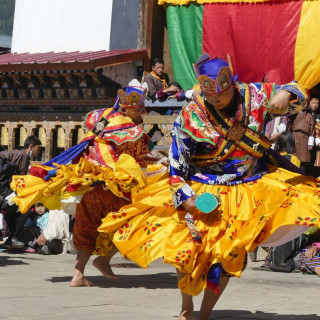
In Bhutan, food follows the land, the climate, and the spiritual rhythm of the country. Unlike destinations where menus stay the same year-round, Bhutanese cuisine changes naturally with the seasons. What appears on your plate in winter has little in common with what you’ll eat during the lush monsoon months.
When traveling with Across Bhutan Travel Agency, guests don’t just visit monasteries and mountain valleys — they experience Bhutan through its kitchens, local markets, farmhouses, and family tables. Understanding seasonal food adds a deeper layer to your journey, helping you connect with daily life in the Himalayas.
Here’s what you can expect to eat in Bhutan, month by month.
January – February: Winter Staples & Hearty Meals

Winter is cold and dry, especially in central and eastern Bhutan. Fresh vegetables are limited, so people rely on preserved foods and warming dishes.
Seasonal ingredients:
- Dried chilies
- Dried radish
- Buckwheat
- Yak meat, pork, beef
- Cheese and butter
Typical dishes:
- Ema Datshi (winter version) – made with dried chilies
- Phaksha Paa – pork cooked with dried chilies and radish
- Kharam – buckwheat pancakes
- Jasha Maru – minced chicken stew (more common in towns)
- Suja – traditional butter tea
These meals are filling, spicy, and designed to keep the body warm.
March: Early Greens & Seasonal Transition
March marks the slow return of fresh produce, particularly in lower valleys.
Seasonal ingredients:
- Spinach
- Mustard greens
- Spring onions
- Fresh herbs
Typical dishes:
- Spinach Datshi
- Green leaf soups
- Light vegetable stir-fries with red rice
Winter staples are still present, but plates start to look greener.
April: Fresh Vegetables & Foraged Foods
By April, fresh vegetables are widely available and foraging resumes.
Seasonal ingredients:
- Wild ferns (nakey)
- Cabbage
- Cauliflower
- Green beans
Typical dishes:
- Nakey Datshi (fern and cheese dish)
- Vegetable Datshi
- Stir-fried seasonal greens with chilies
This is when Bhutanese food becomes noticeably lighter and fresher.
May: Fresh Chili Season Begins
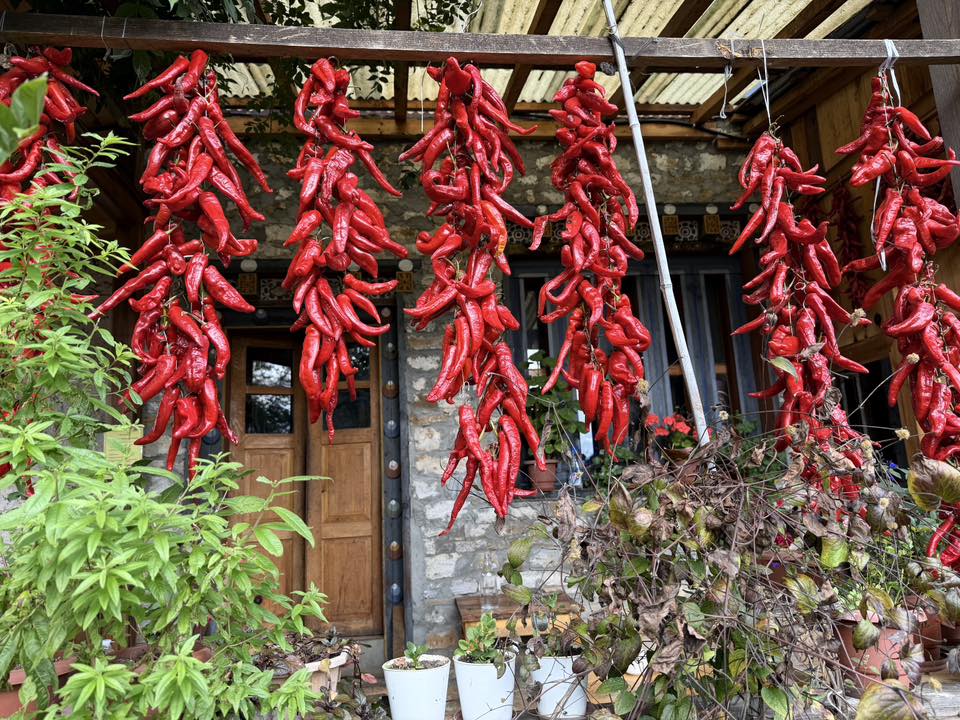
Chilies are the backbone of Bhutanese cuisine — and May is when fresh chilies take over.
Seasonal ingredients:
- Green chilies
- Fresh cheese
- Leafy vegetables
Typical dishes:
- Green Ema Datshi
- Kewa Datshi (potato and cheese)
- Chili stir-fries served as main dishes
Spice levels rise sharply from this month onward.
June – July: Monsoon Abundance
The monsoon brings rain — and an explosion of vegetables.
Seasonal ingredients:
- Eggplant
- Zucchini
- Cucumbers
- Fresh herbs
- Rice
Typical dishes:
- Mixed Vegetable Datshi
- Kewa Phagsha (potatoes with pork and chilies)
- Simple rice meals with multiple vegetable sides
Despite frequent rain, this is one of the richest food seasons.
August: Wild Mushroom Season
August is a highlight for food lovers thanks to wild mushrooms from Bhutan’s forests.
Seasonal ingredients:
- Wild mushrooms
- Chilies
- Herbs
Typical dishes:
- Shamu Datshi (mushroom and cheese)
- Mushroom soups
- Stir-fried mushrooms with chilies
These dishes have deep, earthy flavors unique to Bhutan.
September: Harvest Begins
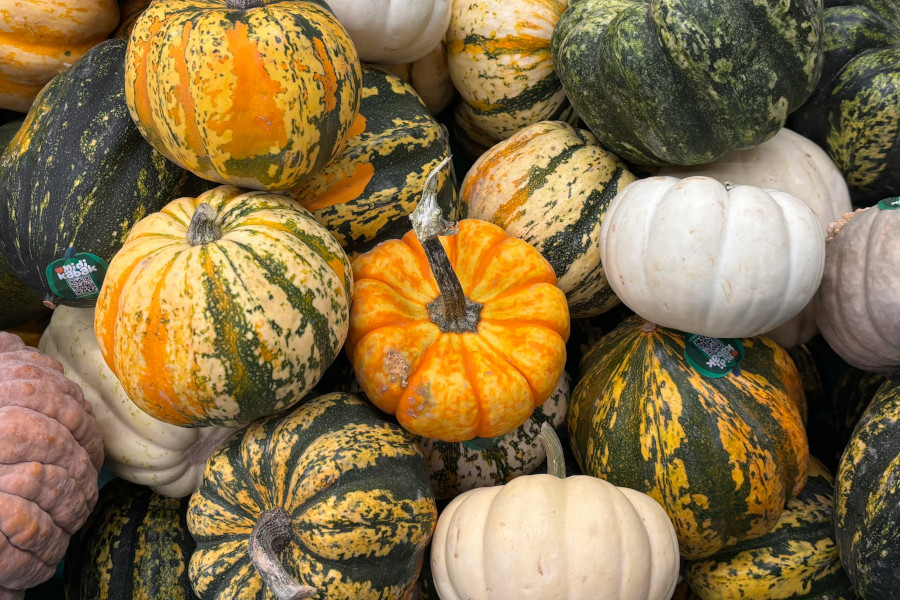
As monsoon fades, harvest season starts across the valleys.
Seasonal ingredients:
- Maize (corn)
- Beans
- Pumpkins
- Early apples
Typical dishes:
- Ashom (corn-based dishes)
- Bean curries with chili and cheese
- Pumpkin stews
Meals become heartier again, preparing for cooler weather.
October: Festival Season & Celebration Food
October is one of the most festive months in Bhutan, with major tshechus across the country.
Seasonal ingredients:
- Freshly harvested rice
- Vegetables at peak maturity
- Dairy products
Typical dishes:
- Hoentay (buckwheat dumplings with greens and cheese)
- Fried snacks served during festivals
- Rich meat and vegetable dishes prepared for gatherings
This is a fantastic month to experience Bhutanese food culture in social settings.
November: Root Vegetables & Preservation
As temperatures drop, households start preserving food for winter.
Seasonal ingredients:
- Potatoes
- Turnips
- Radishes
- Beans
Typical dishes:
- Kewa Datshi
- Turnip and radish stews
- Simple rice and vegetable meals
Flavors become earthier and more rustic.
December: Winter Cuisine Returns
December brings the return of full winter cooking.
Seasonal ingredients:
- Dried vegetables
- Buckwheat
- Meat
- Butter and cheese
Typical dishes:
- Phaksha Paa
- Buckwheat pancakes
- Hearty soups and butter tea
Comfort and warmth define every meal.
Discover Bhutan Through Its Seasons with Across Bhutan
Seasonal food is more than a culinary detail — it’s a reflection of Bhutan’s values: sustainability, simplicity, and harmony with nature. Traveling with Across Bhutan Travel Agency allows you to experience this rhythm firsthand, whether through local restaurants, village homestays, or market visits woven into your itinerary.
No matter when you visit, Bhutan will serve you exactly what the season intends — honest, bold, and unforgettable.