Geography and climate of Bhutan
Bhutan travel information
About Across Bhutan
Across Bhutan travel agency offers Organized Tours & Custom Tours through Bhutan’s tranquil landscapes.
Contact us
Geography and climate of Bhutan
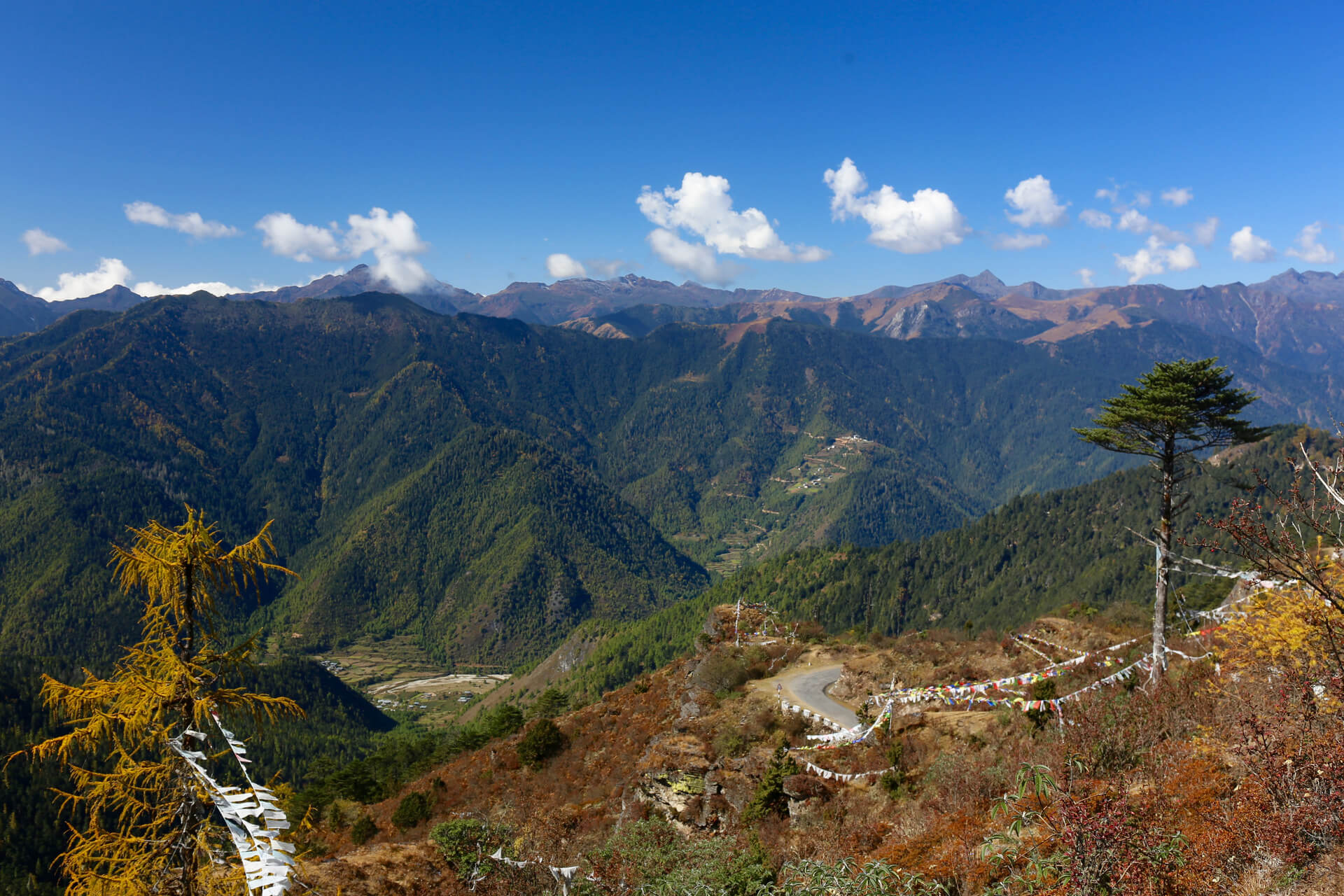
Bhutan, a sovereign country nestled in the eastern extreme of the Himalayas mountain range, boasts a diverse climate that varies significantly with elevation. Spanning approximately 38,394 square kilometers, Bhutan is bordered to the north and northwest by the People’s Republic of China and to the south, east, and west by India.
Geography at a Glance
Before exploring Bhutan’s weather patterns, it’s helpful to understand the country’s remarkable geography. Although similar in size to Switzerland, Bhutan’s dramatic changes in elevation—from subtropical plains to towering Himalayan peaks—create one of the world’s most diverse natural landscapes.
| Geography Facts | Information |
|---|---|
| Total Area | 38,394 km² (14,824 sq mi) |
| Highest Peak | Gangkhar Puensum – 7,570 m (24,836 ft), the world’s highest unclimbed mountain |
| Lowest Elevation | Approximately 100 m (328 ft) above sea level along the southern border |
| Mountain Range | Eastern Himalayas |
| Forest Coverage | Over 70% of the country remains covered by forests |
| National Parks & Protected Areas | 5 National Parks, 4 Wildlife Sanctuaries, 1 Strict Nature Reserve, connected by biological corridors |
| Major Rivers | Wang Chhu, Pho Chhu, Mo Chhu, Punatsang Chhu, Mangde Chhu, Drangme Chhu |
| Highest Mountain Passes | Chele La (3,988 m), Dochula Pass (3,100 m), Pele La (3,420 m) |
| Climate Zones | Subtropical, Temperate, Alpine and Tundra |
Bhutan’s altitude rises from less than 200 meters in the southern foothills to over 7,500 meters along the Tibetan border in less than 200 kilometers. This extraordinary variation explains why travelers can experience warm subtropical forests, temperate valleys, alpine meadows, and snow-covered Himalayan peaks within a single journey.
Climate and Temperature Variations

Source: ResearchGate.net
The country experiences four distinct seasons—spring, summer, autumn, and winter—each bringing unique weather conditions. Due to its varied topography, Bhutan’s climate ranges from subtropical in the south to alpine tundra in the north.
Southern Bhutan (Duars Plain - Subtropical Climate)
- Temperature: Ranges from 15°C in winter (December-February) to 35°C in summer (June-August).
- Rainfall: The monsoon season (June to September) brings heavy rainfall, averaging 2000-5000 mm annually.
- Landscape: This region consists of dense tropical forests, fertile river valleys, and grasslands.
Central Bhutan (Lesser Himalaya - Temperate Climate)

Source: Weather-Atlas.com
- Temperature: Winter temperatures drop to around 0°C (December-February), while summer temperatures reach 25°C (June-August).
- Rainfall: Annual precipitation is 500-1000 mm, mostly from the monsoon rains between June and September.
- Landscape: Characterized by rolling hills, terraced farmlands, and lush forests, the central region hosts many of Bhutan’s key cultural and religious sites.
Northern Bhutan (Greater Himalayas - Alpine & Tundra Climate)
- Temperature: Winter temperatures can plummet to -20°C or lower (December-February), while summer remains cool at around 10°C (June-August).
- Snowfall: Heavy snowfall occurs from December to March, covering the rugged peaks and high-altitude pastures.
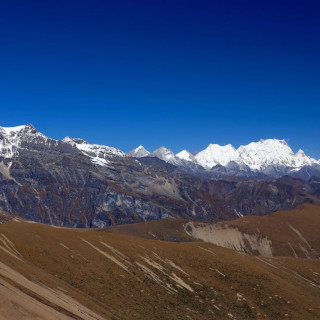
- Landscape: Dominated by towering mountain ranges, glaciers, and high-altitude alpine meadows, this region is home to some of the highest peaks in Bhutan, including Gangkhar Puensum (7,570 meters).
Precipitation and Weather Patterns

Source: Weather-Atlas.com
Bhutan’s rainfall is strongly influenced by the South Asian monsoon, which typically arrives in June and gradually retreats by late September. Because of the country’s dramatic mountain ranges, precipitation varies considerably between regions, with southern Bhutan receiving far more rain than the northern Himalayas.
Southern districts often record 2,000 to 5,000 mm of rainfall annually, while central valleys such as Paro and Thimphu remain comparatively drier. The high Himalayan regions experience less rainfall but receive significant snowfall during winter.
During the monsoon season, travelers can generally expect:
- Heavy showers, often during the afternoon or evening rather than all day.
- Lush green valleys, forests, and rice terraces at their most vibrant.
- More frequent clouds that can temporarily obscure Himalayan mountain views.
- Occasional landslides or minor road delays in mountainous areas after particularly heavy rainfall.
- Lower visitor numbers, making popular attractions noticeably quieter.
- Pleasant temperatures despite the increased humidity, especially in the central valleys.
Outside the monsoon season, Bhutan enjoys relatively dry and stable weather. Autumn brings the clearest skies of the year, while winter offers crisp air and exceptional long-distance visibility of the Himalayas.
Thanks to this diversity, Bhutan remains a year-round destination, with each season offering its own distinctive landscapes, wildlife, festivals, and travel experiences.
Best Times to Visit Bhutan
🌸 Spring (March – May) — Best for Nature & Festivals
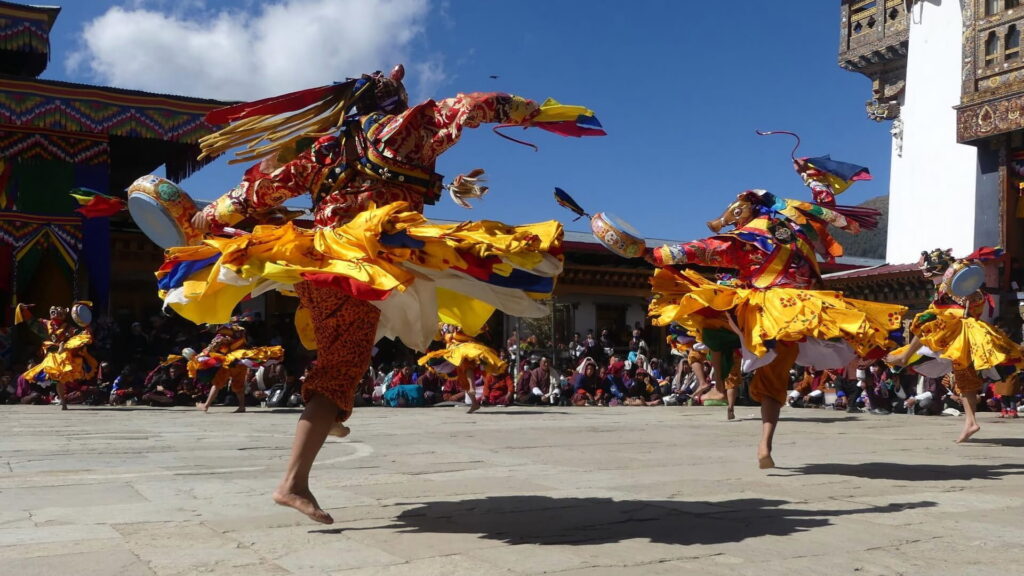
Spring is widely regarded as one of the most beautiful seasons to visit Bhutan. As winter snow begins to melt, valleys burst into color with blooming rhododendrons, magnolias, jacarandas, and countless wildflowers. Forests become lush once again, while temperatures remain comfortable for sightseeing and outdoor activities.
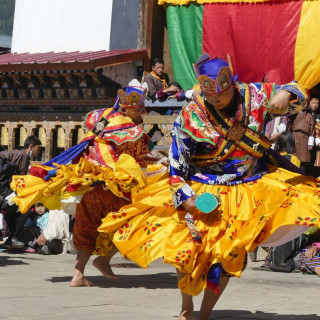
This is also one of Bhutan’s busiest festival seasons. Major Tshechus take place in Paro and Thimphu, allowing visitors to witness spectacular masked dances, religious ceremonies, and vibrant local celebrations.
Spring is particularly popular for:
- Hiking and day walks
- Wildlife and birdwatching
- Photography
- Cultural tours
- Family holidays
Average daytime temperatures range between 15°C and 25°C in most valleys, while evenings remain pleasantly cool.
Best destinations:
- Paro
- Thimphu
- Punakha
- Phobjikha Valley
- Haa Valley
☀️ Summer / Monsoon (June – August) — Best for Lush Landscapes & Fewer Tourists

Summer coincides with Bhutan’s monsoon season, bringing regular rainfall to much of the country. While many travelers avoid this period, it offers a completely different side of Bhutan.
The mountains turn intensely green, waterfalls reach their fullest flow, rice terraces shimmer with fresh growth, and forests become incredibly vibrant. Tourist numbers are significantly lower, creating a quieter and more intimate travel experience.
Rain usually falls during the afternoon or evening rather than throughout the entire day, meaning morning sightseeing is often still possible.
Summer is particularly suited for:
- Cultural tours
- Photography of lush landscapes
- Wellness retreats
- Travelers seeking fewer crowds
- Botanical enthusiasts
Best destinations:
- Bumthang
- Eastern Bhutan
- Trongsa
- Rural villages
- Cultural circuits
🍂 Autumn (September – November) — Best Overall Season

Autumn is considered the finest season to visit Bhutan and is especially popular among trekkers, photographers, and first-time visitors.
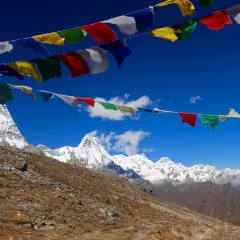
After the monsoon ends, the air becomes exceptionally clear, revealing breathtaking views of the Himalayan peaks. Pleasant daytime temperatures, crisp mornings, and stable weather create ideal conditions for trekking and sightseeing throughout the country.
Autumn is also another major festival season, with colorful celebrations taking place in many districts.
This season is perfect for:
- Multi-day trekking
- Mountain photography
- Scenic road trips
- Luxury travel
- Honeymoon holidays
Best destinations:
❄️ Winter (December – February) — Best for Quiet Travel & Culture

Winter offers a quieter, more authentic side of Bhutan. While temperatures drop—particularly in the northern mountains—many valleys remain sunny with remarkably clear skies.
This is one of the best times for travelers who prefer peaceful monasteries, uncrowded attractions, and excellent visibility for Himalayan photography.
The famous Black-necked Cranes arrive in the Phobjikha Valley during winter, making it one of the country’s premier wildlife experiences.
Winter is ideal for:
- Cultural immersion
- Photography
- Birdwatching
- Spiritual retreats
- Travelers seeking fewer tourists
Best destinations:
- Punakha
- Paro
- Thimphu
- Phobjikha Valley
- Trongsa
Bhutan Weather by Month
| Month | Temperature Range | Rainfall | Travel Conditions |
|---|---|---|---|
| January | -5°C to 15°C | Very low | ⭐ Clear skies, cold, great for culture |
| February | -3°C to 18°C | Very low | ⭐ Good visibility, fewer tourists |
| March | 5°C to 20°C | Low | ⭐ Start of spring, flowers bloom |
| April | 10°C to 24°C | Low | ⭐ Excellent conditions, festivals |
| May | 15°C to 27°C | Moderate | ⭐ Warm, lush landscapes |
| June | 18°C to 28°C | High | ⚠️ Start of monsoon, reduced visibility |
| July | 20°C to 30°C | Very high | ⚠️ Heavy rain, limited mountain views |
| August | 20°C to 30°C | Very high | ⚠️ Wet but very green landscapes |
| September | 18°C to 27°C | Moderate | ⭐ End of monsoon, improving visibility |
| October | 10°C to 25°C | Low | ⭐ Best month: clear skies, perfect conditions |
| November | 5°C to 20°C | Very low | ⭐ Excellent visibility, cool weather |
| December | -2°C to 15°C | Very low | ⭐ Quiet season, crisp and clear |
Bhutan Weather FAQ
When is the best month to visit Bhutan?
October is often considered the best month, offering clear skies, ideal temperatures, and excellent mountain visibility. April is another top choice for spring landscapes and festivals.
But the best time to visit Bhutan really depends on your interests:
- Spring (March-May): Ideal for trekking, rhododendron blooms & mild weather.
- Autumn (September-November): Perfect for cultural festivals like Thimphu Tshechu & stunning Himalayan views.
- Winter (December-February): Great for photography, birdwatching & fewer crowds.
- Summer (June-August): Best for green landscapes & budget travelers.
Is Bhutan worth visiting during the monsoon season?
Yes, but with adjusted expectations. While rain and clouds can limit mountain views, landscapes are at their greenest, and there are far fewer tourists. It’s a good time for cultural trips rather than trekking.
What is the coldest month in Bhutan?
January is typically the coldest month, especially in higher altitudes where temperatures can drop well below freezing.
Is Bhutan too hot in summer?
Can you see the Himalayas all year round?
Yes, but visibility varies by season. The clearest mountain views are usually found during autumn (September to November) and winter (December to February), when dry weather creates exceptional visibility. During the monsoon season, clouds can temporarily hide the highest peaks.
Does the weather vary a lot between regions?
Absolutely. Bhutan’s dramatic elevation changes create several distinct climate zones. Southern Bhutan has a subtropical climate, central valleys enjoy mild temperate weather, while the northern Himalayas experience alpine conditions with snow and glaciers. It’s possible to experience several seasons in a single journey across the country.
Ready to visit Bhutan?
Design your custom Bhutan tour
Let us help you craft a personalized adventure in Bhutan.
Work with our experts to design a tour tailored to your interests and dreams.
Our packaged Bhutan tours
Bhutan travel information
About Across Bhutan
Across Bhutan travel agency offers Organized Tours & Custom Tours through Bhutan’s tranquil landscapes.