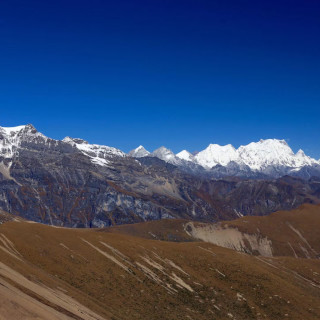
Planning a Bhutan travel itinerary starts with one important decision: how much time can you spend in the country?
A five-day trip can introduce you to western Bhutan’s main cultural highlights, while a week allows a more balanced route through Paro, Thimphou, Punakha and, with a well-planned schedule, Phobjikha Valley.
With ten days or two weeks, you can travel farther into central Bhutan and discover Trongsa et Bumthang.
This guide compares practical Bhutan itineraries for 5, 7, 10 and 14 days, with day-by-day suggestions and links to tours from Across Bhutan.
Use the routes as planning frameworks rather than fixed schedules: arrival and departure times, road conditions, festival dates and the availability of domestic flights can all affect the final itinerary.
If you already know your preferred travel style, you can also browse our Circuits au Bhoutan ou request a tailor-made itinerary built around your dates and interests.
Bhutan Travel Itineraries at a Glance
For a first visit, seven days is a useful target. It gives you time to see the best-known cultural sites without spending the entire trip on the road. Choose ten days or longer if you want to explore central Bhutan, travel at a slower pace or focus on a specific interest such as trekking, wildlife or festivals.
| Time available | Suggested route | Idéal pour |
|---|---|---|
| 5 days / 4 nights | Paro and Thimphu | A short first taste of Bhutan’s culture and landscapes |
| 7 days / 6 nights | Paro, Thimphu, Punakha and Phobjikha | First-time visitors who want a balanced overview |
| 10 days / 9 nights | Western Bhutan and the central valleys around Trongsa and Bumthang | Culture, historic temples and a deeper journey into the country |
| 14 days / 13 nights | Western and central Bhutan at a more relaxed pace | Travelers who want extra time in villages, valleys and cultural sites |
| 17 days or more | An east-to-west journey or a specialist expedition | Cross-country travel, longer treks and dedicated birdwatching |
One important detail: tour operators may describe a trip as “7 days / 6 nights” when the arrival day and departure day are both included in the seven-day schedule. Always compare the total number of calendar days and hotel nights, rather than relying on the label alone.
Bhutan Itinerary for 5 Days: A Short Introduction
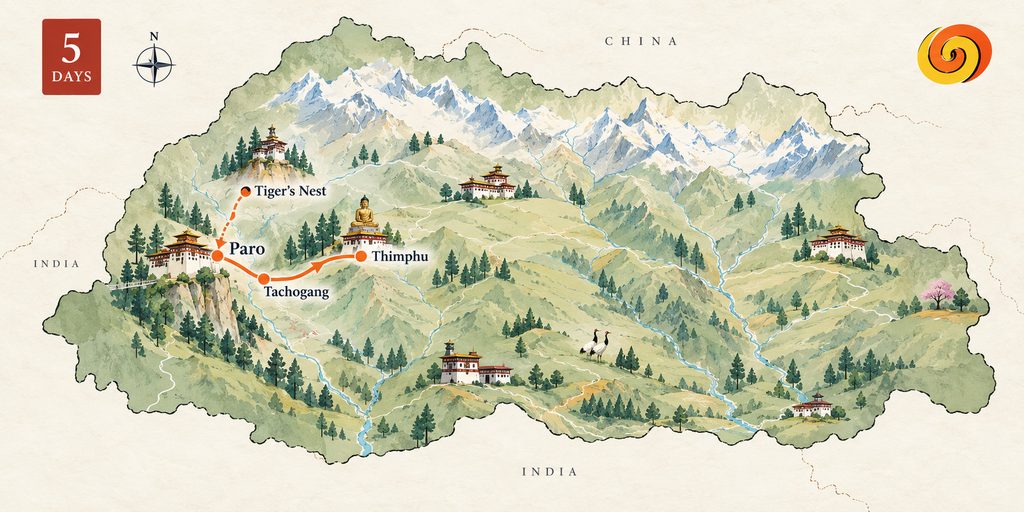
Five days is enough for an introduction to western Bhutan, but the pace will be brisk and you will need to leave out some regions. This itinerary focuses on Paro et Thimphou, rather than trying to fit every major destination into a short stay.
Day 1 – Arrive in Paro
Arrive at Paro International Airport and transfer to your hotel. If your flight lands early, begin with a gentle introduction to Paro town, whose traditional houses and shops offer an easy first look at Bhutanese life.
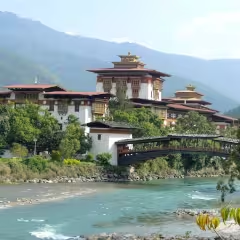
You may also visit Rinpung Dzong, the imposing fortress-monastery overlooking the valley, and cross the traditional Nyamai Zam bridge nearby. Keep the schedule flexible: if you arrive late, settle in and save the sightseeing for the following day.
Day 2 – Hike to Tiger’s Nest
Set aside most of the day for the hike to Paro Taktsang, better known as Tiger’s Nest. The trail climbs through pine forest, passing prayer flags and viewpoints before reaching the monastery perched high above the valley.
Allow time to rest, explore the temple complex respectfully and enjoy the views rather than rushing the ascent. After returning to the valley, you can visit Kyichu Lhakhang if you still have time and energy; otherwise, enjoy a quiet evening in Paro.
Day 3 – Paro to Thimphu
Drive from Paro to Thimphu, Bhutan’s capital, through a river valley dotted with traditional settlements. En route, stop at Tachogang Lhakhang and, where access allows, walk across the historic iron-chain suspension bridge associated with the engineer-monk Thangtong Gyalpo.
After checking in at Thimphu, choose one or two easy visits such as Buddha Dordenma, which overlooks the valley, or the National Memorial Chorten, where local residents gather for daily prayers and circumambulation.
Day 4 – Discover Thimphu
Spend the morning exploring Thimphu’s cultural landmarks. Depending on opening times and your interests, visit the National Institute for Zorig Chusum to learn about Bhutan’s traditional arts, see Tashichho Dzong, or browse the craft market for textiles and handmade souvenirs.
You could also watch an archery match at Changlimithang Ground or drive to Sangaygang for a view across the city. In the late afternoon, return to Paro so you are well placed for an early departure the next day. With only five days, focus on a few meaningful stops rather than trying to cover every attraction.
Day 5 – Departure
Transfer to Paro International Airport for your onward flight. The drive from Thimphu takes time, so plan the final night and transfer around your confirmed departure time rather than adding a last-minute excursion. If Punakha or Phobjikha is high on your wish list, choose a seven-day itinerary instead of squeezing those destinations into this short trip.
Best match: For a short visit, ask us to arrange a circuit personnalisé au Bhoutan around your flight schedule.
Our “Une semaine de beauté et de culture bhoutanaises” tour is a better option if you can stay for a full week.
Bhutan Itinerary for 7 Days: The Classic First-Time Route
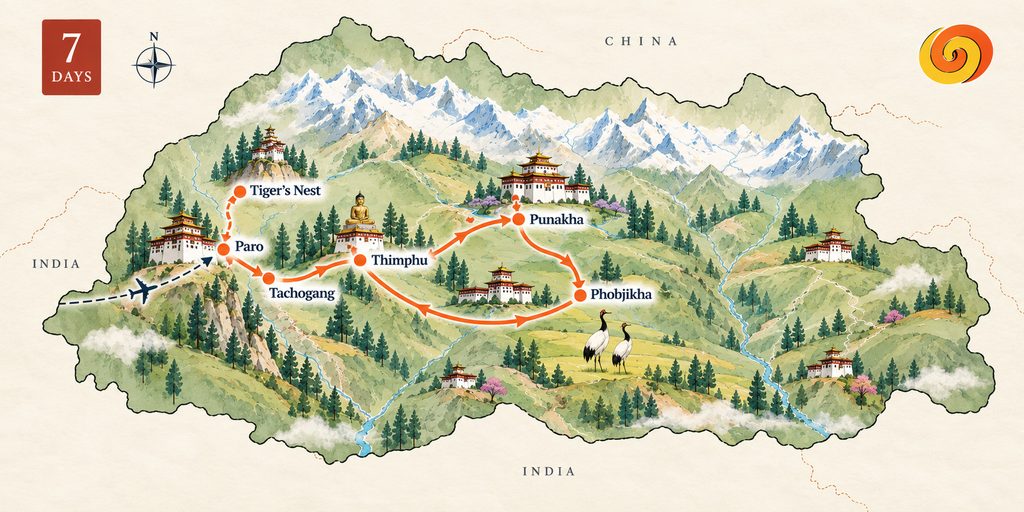
UN 7-day Bhutan itinerary is one of the most practical choices for first-time visitors. It can combine the cultural highlights of Paro and Thimphu with Punakha’s river valley and the open landscapes of Phobjikha. The route below follows the broad shape of Across Bhutan’s Une semaine de beauté et de culture bhoutanaises tour.
Day 1 – Arrival in Paro and Transfer to Thimphu
After landing in Paro, meet your local representative and drive to Thimphu. The road follows the river valley, with an optional stop at Tachogang Lhakhang and its historic iron-chain bridge if arrival time and access allow.
Once in the capital, check in and enjoy a gentle first walk around town, or visit a nearby viewpoint if you arrive early. Keep the day light to accommodate your flight and settle into the altitude.
Day 2 – Explore Thimphu
Spend the day discovering the capital’s mix of religious sites, traditional crafts and everyday Bhutanese life. Start at Buddha Dordenma for broad views over Thimphu, then visit the Memorial Chorten, where worshippers walk clockwise around the stupa and turn prayer wheels.
Continue to the National Institute for Zorig Chusum to learn about Bhutan’s traditional arts, or visit Tashichho Dzong if it is open to visitors. If you prefer a nature outing, replace one of the city stops with a walk to Cheri Monastery from Dodena. Finish with a stroll through the craft market or watch an archery match when one is taking place.
Day 3 – Thimphu to Punakha via Dochula Pass
Travel east over Dochula Pass, where 108 Druk Wangyal Chortens stand against a backdrop of forest and, on clear days, Himalayan peaks. As the road descends, the air becomes warmer and the landscape shifts towards the subtropical Punakha Valley.
Visit Punakha Dzong, one of Bhutan’s most striking fortress-monasteries, set at the confluence of the Pho Chhu and Mo Chhu rivers. If time allows, walk across the suspension bridge or take the trail through rice fields to Khamsum Yulley Namgyal Chorten, which overlooks the valley. Stay overnight in Punakha.
Day 4 – Punakha to Phobjikha Valley
Leave Punakha and travel towards Phobjikha via Wangdue Phodrang and Nobding, watching the scenery change as the road climbs through forested hills. Depending on the route and timing, stop at Wangdue Phodrang Dzong or a village viewpoint before continuing into the broad glacial valley.
Visit Gangtey Monastery, an important centre of the Nyingma Buddhist tradition, then walk a section of the Gangtey Nature Trail through meadows, pine woods and traditional settlements. Black-necked cranes visit the valley seasonally, generally in the colder months, so sightings depend on your travel dates.
Day 5 – Return to Paro
Begin the return journey west, allowing enough time for the mountain roads and a few planned stops rather than trying to add a full sightseeing programme. You may pause in a village along the way or visit Simtokha Dzong near Thimphu if the route and timing permit.
After reaching Paro, check in and enjoy a relaxed stroll through town, with time to browse local shops or admire the traditional woodwork and painted façades.
Day 6 – Hike to Tiger’s Nest
Dedicate the day to the hike to Tiger’s Nest, one of Bhutan’s most important pilgrimage sites. The trail climbs through pine forest to a well-known viewpoint, then continues towards the cliffside monastery, with waterfalls, prayer wheels and mountain views along the way.
Allow several hours for the walk and visit, take breaks at a comfortable pace, and follow the site’s rules inside the sacred complex. After returning to Paro, you could enjoy a traditional farmhouse dinner or a Bhutanese hot-stone bath if time and energy allow.
Day 7 – Departure from Paro
Transfer to Paro International Airport for your departure. If your flight is early, avoid planning a long excursion on the final morning.
Recommended tour: A Week of Bhutanese Beauty and Culture – 7 days. This seven-day route links Paro, Thimphu, Punakha and Phobjikha, combining cultural visits with scenic walks.
Bhutan Itinerary for 10 Days: Explore Central Bhutan
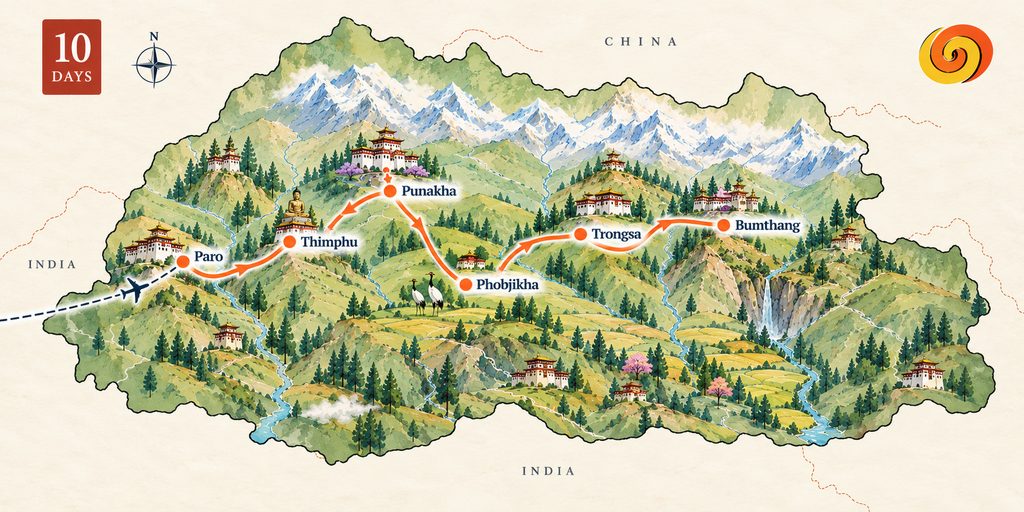
With ten days in Bhutan, you can go beyond the main western circuit and discover the historic heartland around Trongsa and Bumthang. Expect longer road journeys, quieter valleys and more time for ancient temples, local traditions and rural landscapes. For a ready-made trip with this focus, explore Across Bhutan’s Voyage immersif à travers le centre du Bhoutan.
Day 1 – Arrive in Paro and Transfer to Thimphu
Arrive at Paro International Airport and drive to Thimphu, Bhutan’s capital. If your flight schedule allows, stop at Tachogang Lhakhang and its traditional iron-chain bridge, associated with the celebrated bridge-builder Thangtong Gyalpo.
After checking in, take an easy walk through the capital or enjoy a first glimpse of the valley from a nearby viewpoint. Keep the rest of the day flexible in case of flight delays.
Day 2 – Thimphu’s Cultural Highlights
Explore Thimphu through a mix of religious landmarks, traditional arts and daily life. Visit Buddha Dordenma for its panoramic outlook, then the Memorial Chorten and, where visitor access is available, Tashichho Dzong.
The National Institute for Zorig Chusum offers an introduction to Bhutan’s thirteen traditional arts and crafts, while the craft market is a good place to browse textiles and local products. If you prefer time outdoors, replace one of the city visits with a hike towards Cheri Monastery or the Wangditse area.
Day 3 – Cross Dochula Pass to Punakha
Leave Thimphu and cross Dochula Pass, stopping among the 108 chortens to take in the mountain scenery when visibility is good. Descend into Punakha’s warmer valley and visit Punakha Dzong, set where the Pho Chhu and Mo Chhu rivers meet.
If the schedule allows, walk across the suspension bridge or follow a trail through rice fields to Khamsum Yulley Namgyal Chorten for views over the valley. You can also visit Chimi Lhakhang near Lobesa, reached by a short walk through fields and village lanes, if you prefer a cultural stop.
Day 4 – Punakha to Phobjikha
Continue to Phobjikha Valley via Wangdue Phodrang and Nobding, with the road climbing through oak and rhododendron forests before descending into the wide glacial valley. Visit Gangtey Monastery and take a walk through the valley’s meadows and villages.
If you arrive with enough daylight, follow part of the Gangtey Nature Trail or visit the Black-Necked Crane Information Centre. The cranes are winter visitors, generally seen from late autumn into winter; outside this period, the valley’s landscape and rural life remain the main attractions.
Day 5 – Phobjikha to Trongsa
Travel east across Pele La Pass, a high mountain crossing surrounded by forests and open slopes, then continue past rural settlements such as Langthel and Rukubji, where fields and traditional farming shape the landscape. If the route allows, stop at Chendebji Chorten, a large white stupa beside the road.
Arrive in Trongsa and visit Trongsa Dzong, an imposing fortress that follows the hillside above the valley. The former watchtower, Ta Dzong, now houses a museum about Bhutanese history and the royal Wangchuck dynasty; visit it if opening times and the day’s drive permit.
Day 6 – Trongsa to Bumthang
Drive from Trongsa towards Bumthang, crossing Yotong La before descending into the Chumey Valley. This region is known for its weaving traditions, so consider a stop at a local weaving centre or shop to see yathra textiles and other handmade goods.
Continue through the valley’s villages and fields to Jakar, the main town of Bumthang. If daylight remains, visit Jakar Dzong or take a short walk around Chamkhar town; otherwise, save the main cultural sites for the next day.
Day 7 – Bumthang’s Sacred Sites
Spend a full day exploring Bumthang’s spiritual heartland. Visit Jambay Lhakhang, one of Bhutan’s oldest temples, then continue to Kurjey Lhakhang, associated with Guru Rinpoche and a sacred meditation cave.
Cross the river to Tamshing Lhakhang, founded by the treasure-revealer Pema Lingpa, and visit Jakar Dzong for its views over the valley if you did not see it the previous evening. With time between sites, enjoy the countryside and learn how these temples remain part of local religious life.
Day 8 – Discover Tang Valley
Spend the day exploring Tang Valley, one of Bumthang’s quieter rural areas. Stops can include Mebar Tsho, known as Burning Lake and associated with the religious treasure tradition of Pema Lingpa, and Tang Rimochen Lhakhang, a temple linked to early Buddhist history in the region.
If opening arrangements permit, visit Ogyen Choling Museum, a historic residence that offers insight into the life of a central Bhutanese aristocratic family. Leave time for a walk through the valley’s villages and agricultural landscape rather than rushing between sites.
Day 9 – Fly from Jakar to Paro, if the service fits your dates
If a domestic flight from the Bumthang area to Paro is operating on a suitable day, it can save substantial time compared with returning overland. Flight schedules and availability must be confirmed before the route is finalised.
After landing in Paro, you may have time to explore the town, visit Rinpung Dzong or browse local shops, depending on the arrival time. If no suitable flight is available, the itinerary needs an overland return plan and may require an extra travel day or a different departure date.
Day 10 – Departure
Transfer to Paro International Airport for your onward flight. Keep the final morning free of major visits and confirm the pick-up time with your tour operator, particularly if your flight departs early.
Recommended tour: Immersive Journey through Central Bhutan – 10 days. It includes Thimphu, Punakha, Phobjikha, Trongsa, Bumthang and a domestic flight from Jakar to Paro.
Bhutan Itinerary for 14 Days: A Slower Western and Central Journey
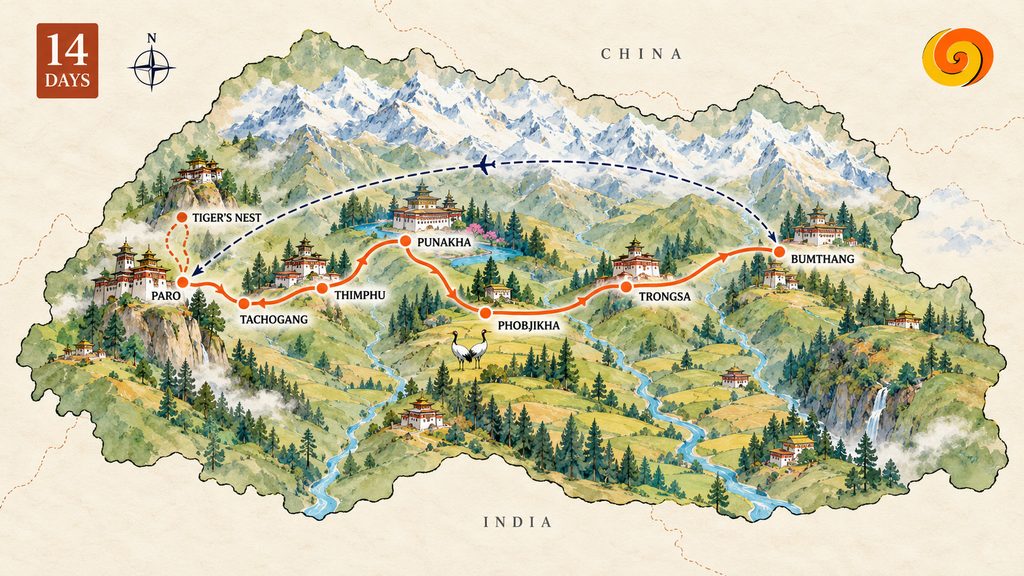
Two weeks gives you time to explore the western highlights without rushing, then continue into central Bhutan’s historic valleys. This itinerary adds extra time in Paro, Thimphu, Punakha and Bumthang for walks, local encounters and visits to temples that are often missed on a shorter trip. The return from Bumthang to Paro is shown by domestic flight if a suitable service operates on your dates; an overland return needs more time and a revised schedule.
Day 1 – Arrive in Paro
Arrive at Paro International Airport and transfer to your hotel. Depending on your arrival time, walk through Paro town, admire the traditional timber façades, or visit Rinpung Dzong and cross the old Nyamai Zam bridge nearby. Keep this first day flexible so you can settle in after the flight and enjoy the valley at an easy pace.
Day 2 – Discover Paro’s Temples and Heritage
Use the day to explore Paro beyond its main town. Visit the National Museum in Ta Dzong for an introduction to Bhutanese religious art, festival masks and history, then explore Rinpung Dzong if you did not visit on arrival.
Continue to Kyichu Lhakhang, one of Bhutan’s oldest temples, or drive north towards Drukgyel Dzong for mountain views and a sense of the valley’s historic role. Choose stops according to opening times and the weather.
Day 3 – Hike to Tiger’s Nest
Reserve most of the day for the hike to Paro Taktsang, or Tiger’s Nest. The route climbs through pine forest and prayer-flag-lined viewpoints to the monastery complex on the cliff above the valley.
Allow plenty of time for the ascent, the visit and the return walk, and follow the site’s rules inside the sacred buildings. After descending, relax with a farmhouse meal or a traditional hot-stone bath if you still have the energy.
Day 4 – Paro to Thimphu via Tachogang
Drive to Thimphu along the river valley, stopping at Tachogang Lhakhang and its historic iron-chain bridge if access and timing allow. The bridge is associated with Thangtong Gyalpo, the celebrated Tibetan engineer and religious master.
On arrival in the capital, check in and enjoy a gentle walk around town or visit a viewpoint overlooking the valley.
Day 5 – Thimphu’s Cultural and Everyday Life
Explore Thimphu’s religious landmarks and cultural institutions. Buddha Dordenma offers broad views over the city, while the National Memorial Chorten is a place to observe local prayer and daily devotion. Depending on opening times, add Tashichho Dzong or the National Institute for Zorig Chusum, where students practise Bhutan’s traditional arts and crafts.
You could also visit the craft market or watch an archery match. For a nature-focused alternative, take a hike towards Cheri Monastery or Wangditse rather than trying to fit in every city attraction.
Day 6 – Thimphu to Punakha over Dochula Pass
Leave Thimphu and cross Dochula Pass, where 108 Druk Wangyal Chortens sit among the forest with Himalayan views on clear days. Continue down into the warmer Punakha Valley and visit Punakha Dzong, dramatically positioned at the confluence of the Pho Chhu and Mo Chhu rivers.
If time permits, cross the suspension bridge or take a short walk through the valley’s rice fields before settling in for the evening.
Day 7 – Punakha Valley, Temples and Countryside
Spend a full day exploring Punakha at a relaxed pace. Hike through terraced fields to Khamsum Yulley Namgyal Chorten for views over the Mo Chhu valley, and visit Chimi Lhakhang near Lobesa by walking through the surrounding village and farmland.
Depending on your interests and the river conditions, you can also consider a gentle rafting outing or a visit to a local farmhouse to learn about rural food traditions. Leave some time to enjoy Punakha’s subtropical scenery rather than filling every hour with stops.
Day 8 – Punakha to Phobjikha Valley
Travel through Wangdue Phodrang and Nobding as the road climbs into the hills and forests around Phobjikha. On arrival, visit Gangtey Monastery, then enjoy a walk through the glacial valley’s open meadows, pine woods and traditional settlements.
If you arrive early enough, stop at the Black-Necked Crane Information Centre. The cranes are seasonal winter visitors, but the broad valley and its rural landscape are rewarding in any season.
Day 9 – Phobjikha to Trongsa
Continue east across Pele La Pass and through mountain villages and agricultural landscapes. Depending on the route, pause at Chendebji Chorten, a distinctive white stupa beside the road, before reaching Trongsa.
Visit Trongsa Dzong, whose long galleries and courtyards follow the hillside above the valley. If opening times allow, the nearby Ta Dzong museum adds context on Bhutanese history and the Wangchuck royal dynasty.
Day 10 – Trongsa to Bumthang via Yotong La
Drive towards Bumthang over Yotong La, passing through the Chumey Valley and its rural settlements. The area is known for traditional weaving, so allow time for a stop at a weaving centre or to see locally made yathra textiles.
Continue to Jakar, the main town of Bumthang, and visit Jakar Dzong if you arrive with enough daylight. The drive is scenic, so allow time for photo stops rather than treating it only as a transfer.
Day 11 – Bumthang’s Sacred Temples
Explore Bumthang’s major religious sites with time to appreciate their stories and continuing role in local life. Visit Jambay Lhakhang, one of Bhutan’s oldest temples, then Kurjey Lhakhang, associated with Guru Rinpoche and a sacred meditation cave.
Continue to Tamshing Lhakhang, founded by Pema Lingpa, and return to Jakar for a walk around Chamkhar town. The schedule can be adjusted around ceremonies or local access.
Day 12 – Tang Valley and Rural Heritage
Use the day to discover the quieter Tang Valley. Visit Mebar Tsho, or Burning Lake, an important site in Bhutan’s spiritual traditions, and Tang Rimochen Lhakhang, associated with early Buddhist history in the region.
If arrangements allow, explore Ogyen Choling Museum, a historic residence that offers a glimpse into the lives of central Bhutanese aristocratic families. The rest of the day can be spent walking through villages and enjoying the valley’s quieter pace.
Day 13 – Return to Paro
If a domestic flight from the Bumthang area to Paro operates on a suitable day, it can save a substantial amount of road travel. Confirm the schedule before finalising the itinerary.
After arrival in Paro, visit the town or revisit a cultural site you missed earlier if time permits. If there is no convenient flight, an overland return requires additional time and the route should be redesigned rather than squeezed into the same day.
Day 14 – Departure from Paro
Transfer to Paro International Airport for your onward flight. Keep the morning clear of major sightseeing and confirm the transfer against your departure time.
Want to travel at this pace? Use our Voyage immersif à travers le centre du Bhoutan as a starting point, or request a custom itinerary with extra nights in your preferred valleys.
Have 17 Days or More? Go Beyond the Classic Route
Longer stays open up a different kind of Bhutan journey. Instead of concentrating on the west and central valleys, you can travel across the country from east to west or choose an expedition focused on one interest. The extra time is especially valuable for remote regions and journeys that involve multiple long drives or days on foot.
For a cross-country cultural journey, consider Discover Bhutan: East to West Cultural Odyssey – 17 days.
For dedicated birdwatching, the Bhutan Birding Tour – 19 days ranges across very different habitats.
Trekking enthusiasts can compare the Soi–Yaktsa / Jomolhari Loop Trek – 10 days, le Laya and Gasa Trek – 15 days and the demanding Snowman Trek – 27 days.
Choose Your Bhutan Itinerary by Travel Style
The best itinerary is not only about the number of days. It also depends on what you want to experience. Use these tours as starting points, then compare their exact routes and departure dates.
- Culture and heritage: A Week of Bhutanese Beauty and Culture – 7 days ou le Immersive Journey through Central Bhutan – 10 days.
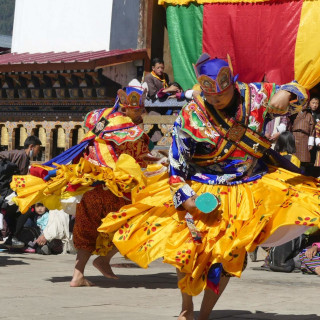
- Festivals : time your journey around a specific festival with the Paro Festival and Cultural Exploration – 10 days ou Exploring Nature and Tradition at Gangtey Festival – 10 days. Festival dates change each year, so confirm the calendar before booking.
- Trekking: choose a dedicated route such as the Drukpath Trek – 8 days ou Jomolhari Trek – 11 days.
- Family travel: le Family Fun and Culture Tour – 9 days combines cultural activities with outdoor experiences.
- Adventure activities: le Multi-Sport Adventure in Bhutan – 11 days combines hiking, cycling, rafting and cultural visits.
- Wellness and photography: compare the Spiritual and Wellness Journey – 10 days with the Bhutan Photography Expedition – 10 days.
Browse the full collection of Across Bhutan tours to compare more itineraries by duration and theme.
Practical Tips for Planning a Bhutan Itinerary
Build the route around your flights
International flights to Bhutan operate on specific routes and schedules, and domestic flights are not available every day on every route. Check the flight plan before fixing your itinerary, particularly if you hope to fly from Bumthang to Paro. Our guide to direct flights to Bhutan can help you plan the international connection.
Allow time for mountain roads
Distances on a map can be misleading in the Himalayas. Roads pass through mountain valleys and high passes, and sightseeing stops add time to each transfer. Avoid planning a long drive followed by a major hike on the same day, and do not rely on a tight road transfer before an international flight.
Choose dates around your interests
Spring and autumn are popular for cultural sightseeing, festivals and hiking, while winter is an important season for observing black-necked cranes in Phobjikha. Summer can bring greener landscapes but also monsoon rain. Read our guide to the meilleure période pour visiter le Bhoutan before deciding on your dates.
Check entry formalities before booking
Check the current Bhutan visa and entry requirements for your nationality and travel dates. Leave enough time to prepare your documents and confirm what is included in your chosen tour.
Bhutan Travel Itinerary: Frequently Asked Questions
Is 7 days enough to visit Bhutan?
Yes. Seven days is enough for a first visit focused on western Bhutan, including Paro, Thimphu and Punakha, with time for Phobjikha on a well-planned route. It is not enough to explore the entire country in depth, so choose your priorities and avoid adding too many destinations.
Is a 7-day Bhutan itinerary the same as 7 days and 6 nights?
Often, yes. A seven-day tour can include the arrival day and departure day, resulting in six hotel nights. Always confirm the tour’s exact arrival and departure dates, number of nights and included services before booking.
Can I visit Bhutan in 5 days?
Yes, but you should focus on a small area, typically Paro and Thimphu. Five days is a short visit, and adding Punakha or Phobjikha can make the schedule rushed. Your arrival time and departure flight will determine how much sightseeing is possible.
What is the best Bhutan itinerary for first-time visitors?
For many first-time visitors, a seven-day route through Paro, Thimphu, Punakha and Phobjikha is a good balance of culture, mountain scenery and local life. If you prefer a slower pace or want to explore central Bhutan, consider ten days or more.
Is 10 days enough to visit central Bhutan?
Ten days can include western highlights as well as Trongsa and Bumthang, particularly when the itinerary uses a suitable domestic flight from Jakar to Paro. If you want to return entirely by road or add substantial trekking, you may need more time.
Can I travel from east to west Bhutan in two weeks?
A two-week trip can cover a lot, but a full east-to-west journey involves significant road time. Across Bhutan offers a dedicated 17-day East to West Cultural Odyssey for travelers who want a more complete cross-country itinerary.
Can Across Bhutan customize my itinerary?
Yes. If your dates, interests or preferred pace call for a more flexible route, you can planifiez un voyage sur mesure au Bhoutan. This is particularly useful when coordinating festivals, domestic flights, trekking routes or a shorter stay.
Plan Your Bhutan Travel Itinerary with Across Bhutan
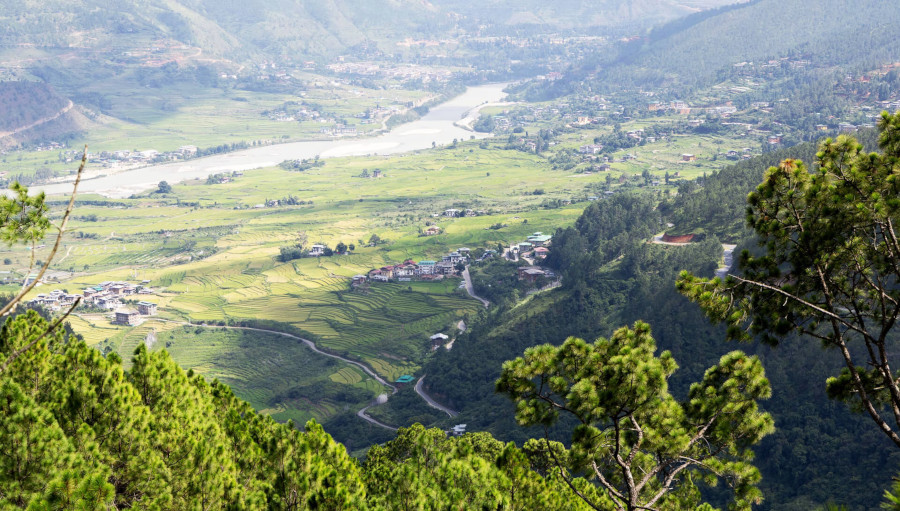
The right Bhutan itinerary is the one that matches your available time, travel style and interests. A week offers a memorable introduction to the western valleys; ten days opens the way to central Bhutan; and two weeks or longer gives you more room to slow down or travel farther.
Explore the Bhutan tours offered by Across Bhutan ou tell us about your ideal trip. The Across Bhutan team can help you choose a realistic route and coordinate the details around your travel dates.