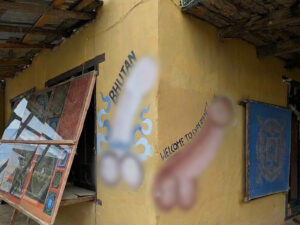
Visitors travelling through Bhutan sometimes notice something unexpected on the walls of traditional houses and shops: painted penis symbols, often decorated with ribbons, eyes or elaborate patterns. These stylised images are also known as phallic symbols.
These images can be humorous, bold and impossible to miss, yet they are not simply jokes or souvenirs. In Bhutan, these penis paintings and other phallic images belong to a wider world of folklore, protective symbolism, fertility beliefs and local religious practice.
The tradition is most famously associated with Drukpa Kunley, the fifteenth-century Tibetan Buddhist yogi known as the Divin Fou, and with Chimi Lhakhang, a temple in the Punakha district often called Bhutan’s Fertility Temple. But the story is more complex than one colourful legend. Researchers have documented phallic rituals in particular Bhutanese communities that may draw on older local traditions as well as Buddhist interpretations.
This guide explores why penises are painted on houses in Bhutan, the legends behind these symbols, what they can represent, where travellers can see them, and how to approach this distinctive part of Bhutanese culture with curiosity and respect.
What Does the Penis Symbol Mean in Bhutan?
In many places where penis symbols appear, they are understood primarily as protective symbols. Local beliefs associate them with warding off harmful spirits, the evil eye, misfortune or malicious gossip. Their meaning can also include fertility, reproduction, prosperity and the continuation of family life.
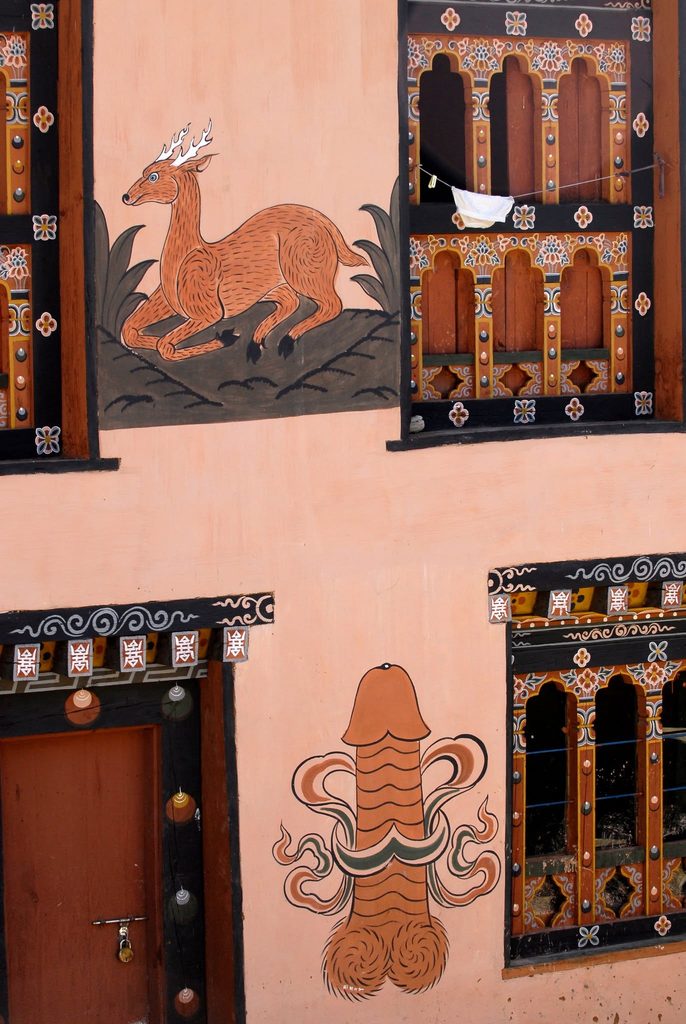
Paintings of penises are often placed on the exterior of houses, near doors, windows or corners of a building. Carved wooden phalluses may be hung from the eaves or displayed during particular rituals. Their vivid colours and sometimes exaggerated features can be startling to visitors, but in their local context they may function as talismans rather than as erotic decoration.
There is no single interpretation that applies to every image. Some are linked in popular understanding to the stories of Drukpa Kunley; others are part of local practices concerned with household protection, fertility or community well-being. A useful starting point is to ask what a symbol means in the place where it appears instead of assuming that every painting carries precisely the same message.
Drukpa Kunley: The Legend of the Divine Madman
Drukpa Kunley (1455–1529) was a Tibetan Buddhist yogi who became one of the most famous and unconventional figures in Bhutanese folklore. Remembered as the Divin Fou, he is portrayed in stories as a wandering religious teacher who challenged hypocrisy and rigid convention through irreverent humour, poetry, drinking and sexually provocative behaviour.
Stories about Drukpa Kunley are deliberately unconventional. Rather than always teaching through formal sermons, he is said to have used shock, jokes and apparently outrageous acts to expose pride and pretence. In Bhutanese retellings, his behaviour can be understood as a form of “crazy wisdom”: a way of overturning ordinary expectations to make a spiritual point. These stories belong to religious hagiography and oral tradition, and should be read as such rather than as neutral historical records.
The “Thunderbolt of Flaming Wisdom”
In a well-known group of legends, Drukpa Kunley’s penis is described metaphorically as the “Thunderbolt of Flaming Wisdom.” He is said to have used this extraordinary power to subdue demons and transform forces that threatened local communities. Within the story, the phallus is not merely a sign of sexual potency: it becomes an emblem of spiritual power, protection and the defeat of harmful forces.
One famous tale concerns a demoness associated with the Dochula area. According to the local legend told by Chimi Lhakhang, the demoness terrorised people travelling through the region before Drukpa Kunley subdued her near Lobesa.
The story links the saint’s “thunderbolt” with the protective symbolism that later became associated with the temple. Different tellings vary in their details, so it is best understood as a local religious legend rather than a verifiable account of an event.
Drukpa Kunley’s reputation helps explain why phallic imagery is so visibly linked to Bhutan in popular accounts. However, the fact that a tradition is attributed to a famous religious figure does not necessarily mean that he invented every practice associated with it.
Did the Tradition Begin with Drukpa Kunley?
Drukpa Kunley is the best-known figure associated with Bhutan’s phallic paintings, but the origins of the wider tradition are not fully settled. Scholars have questioned whether all phallic imagery should be traced to the Divine Madman, and whether some related practices may have roots in older local religious customs that continued alongside the spread of Buddhism.
Dans World of Worldly Gods: The Persistence and Transformation of Shamanic Bon in Buddhist Bhutan (2023), researcher Kelzang T. Tashi examines phallic rituals in particular communities in central Bhutan.
The study discusses their connections with protection, fertility and reproduction, including rituals intended to prevent misfortune associated with harmful gossip. It also considers how some practices linked to Bon traditions have persisted or been incorporated into local Buddhist ritual life.
This research does not establish a single origin for every painting found on a Bhutanese house. Instead, it highlights the diversity of local beliefs and the way religious practices can change over time.
The careful conclusion is that Drukpa Kunley’s stories are central to the popular explanation of the symbol, while the broader history of phallic imagery is more layered than one origin myth suggests.
Why Are Penises Painted on Bhutanese Houses?
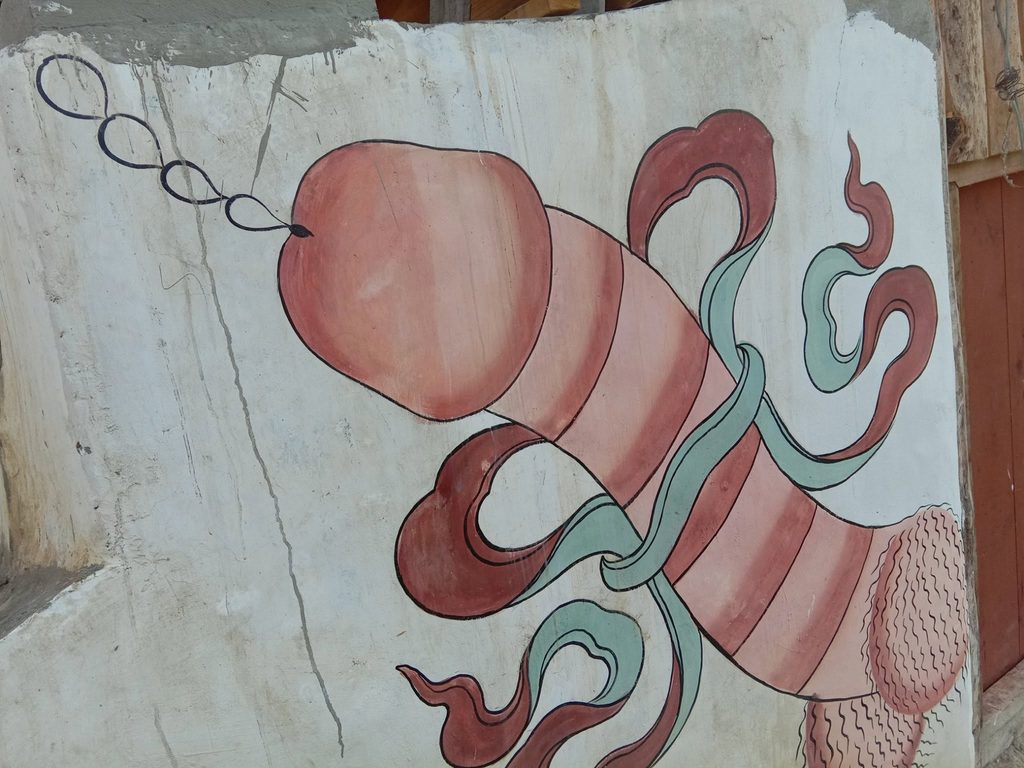
The most familiar examples are penis paintings on the outer walls of houses, guesthouses, restaurants and small shops. They can appear beside windows or doors, around a corner of a building, or high on a wall where they are visible from the street. Some are simple outlines; others are highly stylised, with colourful patterns, ribbons, eyes or flame-like details.
According to local belief, the image can serve as a symbolic guard for the household, turning away evil influences and helping protect the people who live inside. Some interpretations also connect the symbol with fertility, good fortune and protection from jealousy or malicious talk. Its placement is meaningful: on the outside of a building, it faces the world beyond the household.
These paintings are not a universal feature of every Bhutanese home, nor should they be treated as a simple illustration of what every Bhutanese person believes. They are part of a living folk tradition whose visibility varies by place, household and personal outlook. In some settings they are valued as protective symbols; in others, people may regard them more as a familiar cultural motif or a popular souvenir image.
Chimi Lhakhang and Sopsokha: The Best-Known Place to See the Tradition
For travellers interested in the subject, one of the most accessible places to begin is Chimi Lhakhang, a Buddhist temple in the Lobesa area of Punakha district. Often called the Fertility Temple, it was built in 1499 by Ngawang Choegyel, while local tradition associates the site with Drukpa Kunley and a chorten he is said to have established there earlier.
The temple is visited by people seeking blessings related to fertility and family well-being. A carved wooden phallus is associated with certain blessing practices at the site. Visitors should understand this as a religious practice meaningful to pilgrims, not as a spectacle arranged for tourists or a guarantee of a particular outcome.
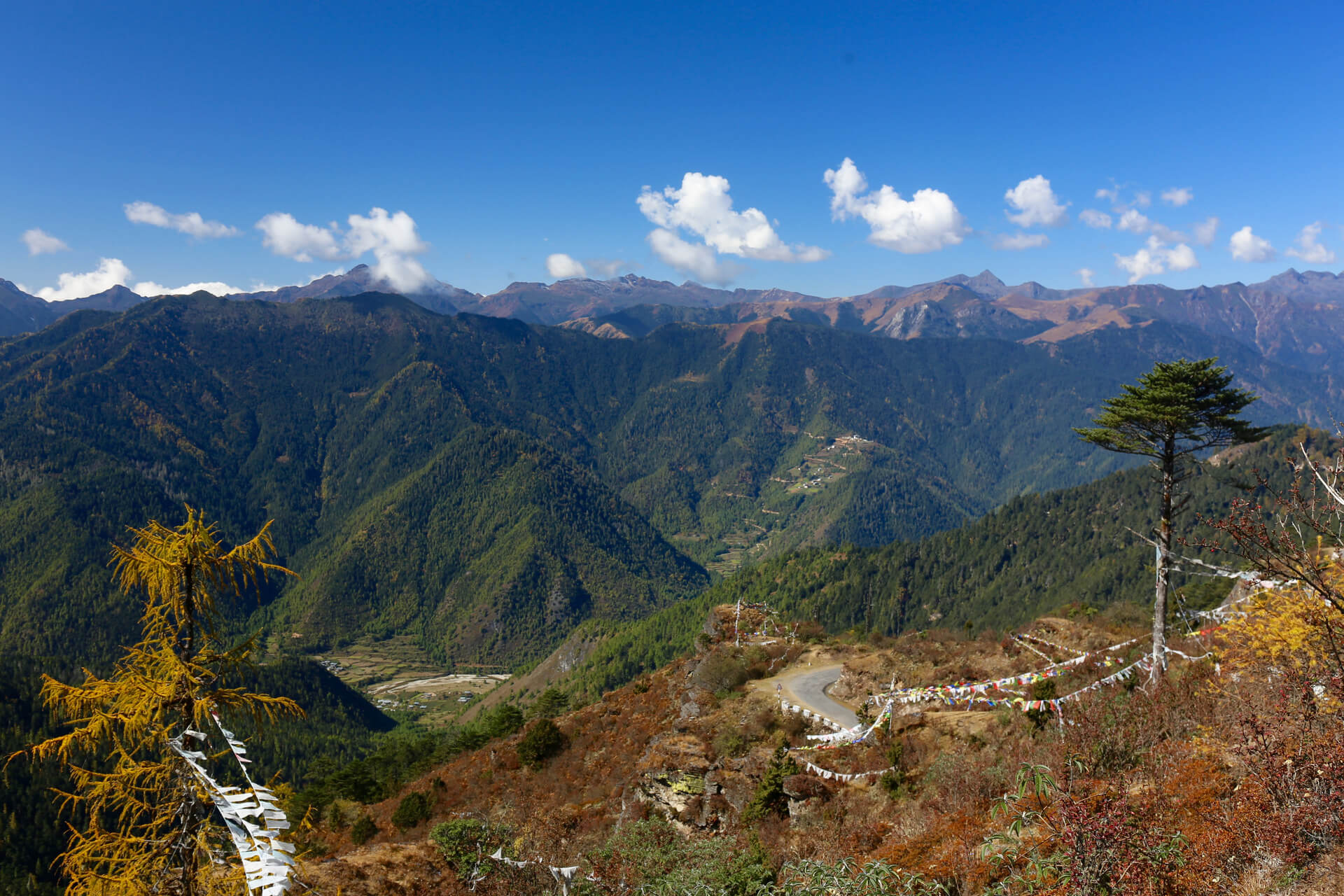
Nearby, Sopsokha village is particularly well known for its painted house walls, small shops and carved phallic objects. Reaching Chimi Lhakhang typically involves leaving the main road and walking along a rural path through fields and village land. The route itself can be part of the experience, offering views of the Punakha valley and a glimpse of everyday life beyond the main tourist sites.
If you are already visiting Punakha, Chimi Lhakhang makes a natural addition to a cultural itinerary. Allow time to walk slowly, observe the architecture and surrounding landscape, and listen to your guide’s explanation of the stories connected with the place.
Phallic Symbols at Bhutanese Festivals
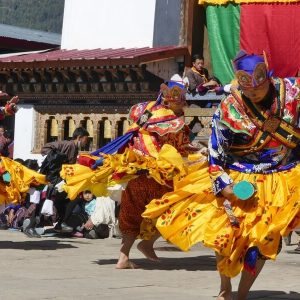
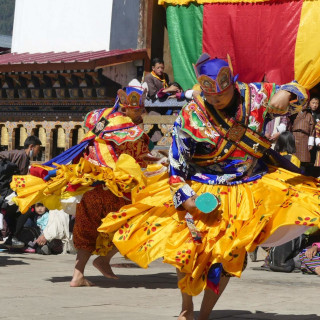
Phallic imagery is also associated with some traditional performances and religious festivals known as tshechus. One figure visitors may encounter is the atsara, a masked or clown-like performer who uses comedy, teasing and lively gestures to engage the audience. In some festival contexts, atsara performers carry symbolic props, including carved phalluses.
The atsara’s role is not simply to entertain. Their irreverence can provide a counterpoint to the solemnity of religious ceremonies, and their performances are part of a wider festival tradition combining devotion, storytelling, humour and community gathering. The phallus in this context can echo themes of protection, fertility and the playful challenge to ordinary social conventions associated with Drukpa Kunley.
Not every festival includes the same performances or props, and the meaning of a particular act depends on the local tradition. If you attend a tshechu, observe first, follow your guide’s advice and avoid interrupting a ritual to obtain a photograph.
Wooden Phalluses, Blessings and Souvenirs
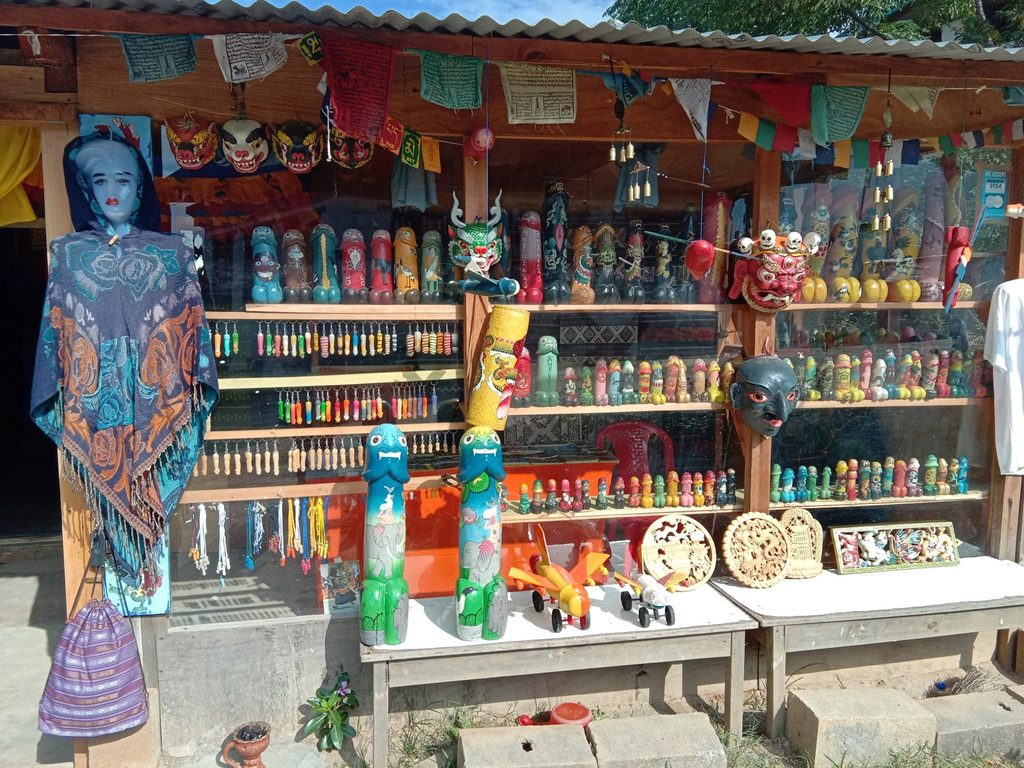
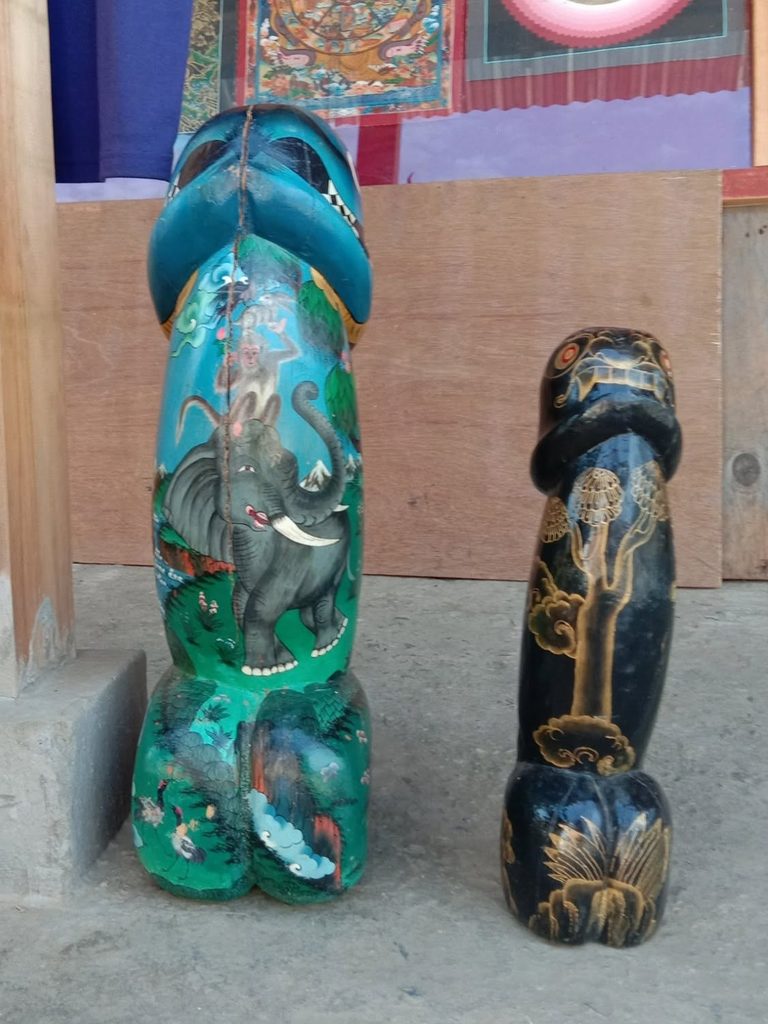
Wooden phalluses are among the most recognisable objects associated with this tradition. Some are linked to religious blessings or local ceremonies; others are made and sold as souvenirs for visitors. Their designs can range from simple carved forms to brightly painted pieces decorated with patterns, ribbons or additional symbols.
It is worth distinguishing the two contexts. An object used in a temple or ritual has a specific role for the people participating in that practice, while an item in a shop may be sold as a decorative object or a reminder of a journey. The same general form can move between sacred, domestic and commercial settings without having exactly the same meaning in each.
If you would like to learn more about Bhutanese craft traditions or choose a more conventional cultural souvenir, explore our guide to Artisanat local et shopping au Bhoutan.
How to Visit Respectfully
Because these symbols are often encountered on private homes and in living religious settings, a little cultural awareness goes a long way.
- Ask before photographing people. A painted wall or shop display may be easy to photograph, but residents and vendors deserve the same privacy as anywhere else.
- Respect private property. Do not enter a house, courtyard or shop area without permission just to take a closer picture.
- Follow temple rules. At Chimi Lhakhang and other sacred sites, follow posted guidance and your guide’s instructions about photography, footwear and appropriate behaviour.
- Avoid treating the tradition as a joke. Humour is part of some stories about Drukpa Kunley, but these symbols can also be meaningful to local people and pilgrims.
- Ask questions with an open mind. A local guide can explain the stories and practices connected with a particular place without assuming that every community shares one interpretation.
For broader guidance on visiting temples, taking photographs and interacting with local communities, see our Bhutanese etiquette guide and our introduction to Le bouddhisme bhoutanais.
Frequently Asked Questions About Bhutan’s Phallic Symbols
Why are penises painted on houses in Bhutan?
Painted penises in Bhutan are commonly understood as protective symbols intended to ward off evil spirits, the evil eye or misfortune. In some contexts, they are also associated with fertility and prosperity. The meaning can vary by place and tradition.
Who was Drukpa Kunley?
Drukpa Kunley (1455–1529), known as the Divine Madman, was a Tibetan Buddhist yogi remembered in Bhutan for his unorthodox teaching style, humour and provocative stories. Popular tradition links him to the widespread use of phallic symbols, although scholars caution that the broader history may have more than one source.
Is Chimi Lhakhang a fertility temple?
Yes. Chimi Lhakhang in the Lobesa area of Punakha is widely known as the Fertility Temple. People visit to seek blessings connected with conception, children and family well-being. These are religious beliefs and practices, not a medical treatment or a guaranteed outcome.
Where can I see phallic paintings in Bhutan?
Sopsokha village and the area around Chimi Lhakhang in Punakha are among the best-known places to see them. Painted images and carved objects can also be found on houses, shops and other buildings elsewhere in the country.
Are these symbols part of Buddhism?
The relationship is complex. Drukpa Kunley is revered in Bhutanese Buddhist tradition, and phallic symbols are associated with stories about him. Research has also documented local Bon-related rituals involving phallic symbolism and their interaction with Buddhist practices in some communities. It is more accurate to describe a layered folk and religious tradition than to say that the symbols represent a universal Buddhist doctrine.
Discover Bhutan Beyond the Expected
Bhutan’s phallic symbolism is an example of how a country’s cultural life can be more complex than first impressions suggest. The painted walls of Sopsokha, the stories of Drukpa Kunley and the religious life of Chimi Lhakhang bring together folklore, humour, protection and hopes for family well-being. The origins and meanings are not identical everywhere, and that complexity is part of what makes the tradition worth learning about.
Whether you are exploring Punakha’s temples, meeting local artisans or learning about Bhutanese Buddhist traditions, taking time to understand the context will make the experience more meaningful.
Across Bhutan can help you plan a journey that includes cultural sites, local encounters and the landscapes that connect them.
Plan a custom Bhutan tour with Across Bhutan or browse our Circuits au Bhoutan to start planning your journey.